










Investors Expect Aggressive Fed Cuts. Not So Fast, BlackRock and Barclays Say.
Markets have "overdone" the chances that the central bank significantly slashes borrowing costs by the end of 2024, the world's largest asset manager said.

AB vs. BLK: Which Stock Is the Better Value Option?
Investors interested in Financial - Investment Management stocks are likely familiar with AllianceBernstein (AB) and BlackRock (BLK). But which of these two stocks is more attractive to value investors?

BlackRock Collaborates With Partners Group, Enhances Retail Solutions
BLK teams up with Partners Group to enhance retail solutions for private markets via a single subscription document and a multi-private markets models solution.

Why BlackRock (BLK) Outpaced the Stock Market Today
BlackRock (BLK) reachead $877.94 at the closing of the latest trading day, reflecting a +1.27% change compared to its last close.

Why BlackRock Now Likes International Value
Heading into a seasonally weak period can be cause for reviewing ETF exposures. Indeed, last week, the BlackRock Target Allocation Team, which runs model portfolios followed by many advisors, did just that.
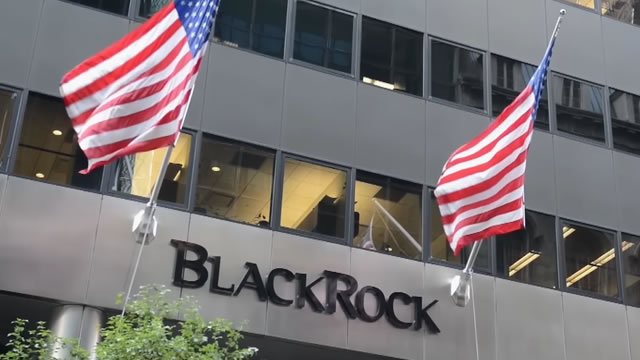
US regulator approves BlackRock's $12.5 bln deal for Global Infrastructure Partners
The U.S. Federal Energy Regulatory Commission on Friday approved BlackRock's $12.5 billion deal for Global Infrastructure Partners.
Swimming With Giants - Don't Bet Against BlackRock
BlackRock's immense scale and strategic growth into high-demand areas make it a powerhouse, compounding returns and outpacing competitors. The firm's diversified approach, strong AUM growth, and acquisitions like GIP and Preqin drive its resilience and expand market influence. With consistent dividend hikes and buybacks, BlackRock offers robust shareholder value, making it a compelling investment despite its size concerns.

How To Play The BlackRock Tender Offers: Start With Buying BOE
The first period of Tender Offers for the BlackRock equity CEFs is now complete. Here's what we've learned and here is the best opportunity among the funds if you want to take advantage of the next three three-month measurement periods. The Tender Offers were the result of activist investors who put pressure on BlackRock to take steps to help reduce the discounts of their funds.

BlackRock (BLK) Increases Despite Market Slip: Here's What You Need to Know
BlackRock (BLK) closed at $883.14 in the latest trading session, marking a +0.03% move from the prior day.

2 Incredible Dividend Stocks to Load Up on Right Now
PepsiCo and BlackRock both sport sub-75% payout ratios, indicating dividend sustainability. Both companies have demonstrated above-average dividend growth over the past five years.

My Current Picks: 3 Dividend Super-Compounders Worth Buying
Younger investors might prefer non-dividend-paying or lower-yield stocks to capture long-term compounding. Investing in dividend super-compounders can lead to superior returns with significant yield-on-cost in the future. Buying blue-chip dividend-paying companies at a discounted valuation may drive market-beating returns with lower volatility.

BlackRock (BLK) Stock Near 52-Week High: What Should You Do?
BlackRock (BLK) stock is trading close to its 52-week high. Let's analyze what should be your next move.



