







Western Alliance (WAL) Q3 Earnings: How Key Metrics Compare to Wall Street Estimates
The headline numbers for Western Alliance (WAL) give insight into how the company performed in the quarter ended September 2025, but it may be worthwhile to compare some of its key metrics to Wall Street estimates and the year-ago actuals.

Western Alliance (WAL) Q3 Earnings and Revenues Top Estimates
Western Alliance (WAL) came out with quarterly earnings of $2.28 per share, beating the Zacks Consensus Estimate of $2.11 per share. This compares to earnings of $1.8 per share a year ago.

Western Alliance: Q3 Report Must Alleviate 'Cockroach Risk' Concern
Western Alliance shares dropped 11% after disclosing its borrower 'failed to provide collateral' on a loan, fueling broader concerns about regional bank lending risks. WAL faces heightened scrutiny alongside peers like Jefferies and Zions, especially after the First Brands collapse and ongoing investigations. Analysts expect Q3 EPS of $2.07 and revenue of $887M, with optimism for long-term EPS growth despite ongoing commercial real estate and commercial and industrial risks.
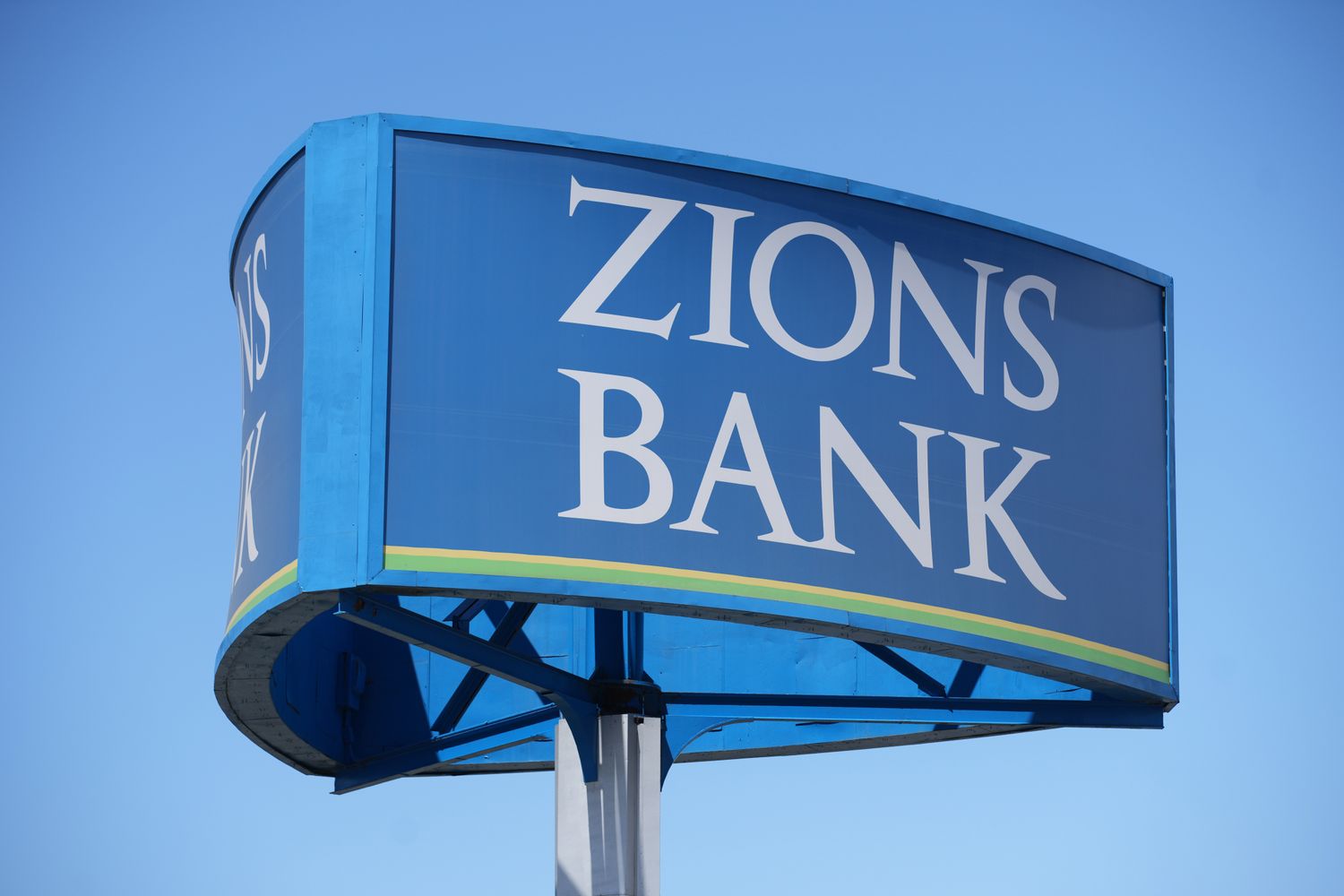
Was The Panic Over Bad Loans That Sent Bank Stocks Reeling Overdone?
Regional bank stocks rose on Friday, rebounding from a sell-off yesterday as investors assessed the fallout from recent bankruptcies and fraud allegations that have raised concerns about lending standards.

Regional Bank Stocks Tumble Over Concerns About Bad Loans
Regional bank shares tank as Zions and Western Alliance reveal loan losses and fraud cases, reigniting fears over credit quality and sector stability.

Western Alliance (WAL) Earnings Expected to Grow: What to Know Ahead of Next Week's Release
Western Alliance (WAL) doesn't possess the right combination of the two key ingredients for a likely earnings beat in its upcoming report. Get prepared with the key expectations.

Down 11.3% in 4 Weeks, Here's Why Western Alliance (WAL) Looks Ripe for a Turnaround
Western Alliance (WAL) is technically in oversold territory now, so the heavy selling pressure might have exhausted. This along with strong agreement among Wall Street analysts in raising earnings estimates could lead to a trend reversal for the stock.

Western Alliance Bancorporation: Commercial Real Estate Fears Are Overblown
Western Alliance Bancorporation is a fundamentally sound regional bank with consistent loan, deposit, and net interest income growth. Concerns over WAL's commercial real estate exposure are overblown due to conservative underwriting, strong sponsors, and suburban loan concentration. WAL trades at a significant discount to peers on both price-to-tangible book value and price-to-earnings, offering 20% upside potential.

Western Alliance: Solid Growth, Strong NII Gives Upside Potential
Western Alliance delivered solid Q2 results last week, with double-digit earnings growth and robust increases in both deposits and loans. The lender's net interest income surged 7.2% quarter-over-quarter, driven by a favorable interest rate environment and higher interest-generating assets. Western Alliance's shares trade below the 5-year average price-to-book ratio, making them attractively valued.

Western Alliance Bancorporation (WAL) Q2 2025 Earnings Call Transcript
Western Alliance Bancorporation (NYSE:WAL ) Q2 2025 Earnings Conference Call July 18, 2025 12:00 PM ET Company Participants Dale M. Gibbons - Vice Chairman & CFO Kenneth A.

Western Alliance: Solid Q2 But Reserve Concerns Remain
Western Alliance has rebounded strongly post-2023 crisis, with robust deposit and loan growth, improved margins, and solid capital positioning. Deposit costs are declining as high-cost CDs roll off, supporting net interest margin improvement, though most of this benefit has already materialized. Credit quality remains solid, but reserve coverage is low; I expect provisions to remain elevated compared to peers, though recession risk has diminished.

Western Alliance (WAL) Q2 Earnings: How Key Metrics Compare to Wall Street Estimates
Although the revenue and EPS for Western Alliance (WAL) give a sense of how its business performed in the quarter ended June 2025, it might be worth considering how some key metrics compare with Wall Street estimates and the year-ago numbers.



