



PepsiCo, Inc. (PEP)








Wall Street Bulls Look Optimistic About PepsiCo (PEP): Should You Buy?
Investors often turn to recommendations made by Wall Street analysts before making a Buy, Sell, or Hold decision about a stock. While media reports about rating changes by these brokerage-firm employed (or sell-side) analysts often affect a stock's price, do they really matter?
Sip, Snack, And Stack Dividends With PepsiCo
PepsiCo, Inc.'s recent underperformance presents a buying opportunity due to its strong pricing power, brand loyalty, and focus on margin improvement. Despite headwinds like slowing U.S. sales, PepsiCo's solid international growth and commitment to dividends and buybacks make it a reliable defensive investment. PepsiCo's Dividend King status, with over 50 years of hikes and a 3.1% yield, underscores its appeal for income-focused investors.
Here's Why PepsiCo (PEP) Gained But Lagged the Market Today
The latest trading day saw PepsiCo (PEP) settling at $177.36, representing a +0.06% change from its previous close.
PepsiCo (PEP) Outperforms Broader Market: What You Need to Know
In the latest trading session, PepsiCo (PEP) closed at $177.26, marking a +0.84% move from the previous day.
Best Stock to Buy Right Now: Coca-Cola vs. PepsiCo
Coca-Cola's total return of 23% has outpaced PepsiCo's 7% in 2024. Both companies have a long history of paying and raising their dividends.
3 Dividend Aristocrats That Pay You More and More Money
Smart investors are aware that growing your money without working for it can happen through the right investment strategy.
PepsiCo's Golden Opportunity: Soda Giant Lags S&P 500, But Shows Bullish Momentum
PepsiCo Inc. PEP is making waves in the stock market as its shares recently formed a bullish technical pattern known as a Golden Cross.

PepsiCo Stock Is On Sale: Here's Why You Should Consider Adding It to Your Portfolio Now
PepsiCo is one of the world's largest beverage and food makers. The company's dividend yield is around 2.9% today.
PepsiCo (PEP) Increases Despite Market Slip: Here's What You Need to Know
PepsiCo (PEP) closed at $178.52 in the latest trading session, marking a +0.55% move from the prior day.
Pick Pepsi Stock Over Coca-Cola?
Given its better valuation, we believe PepsiCo stock (NYSE: PEP) is a better pick than its peer, Coca-Cola stock (NYSE: KO). PEP stock trades at 21x forward earnings, versus 25x for KO.
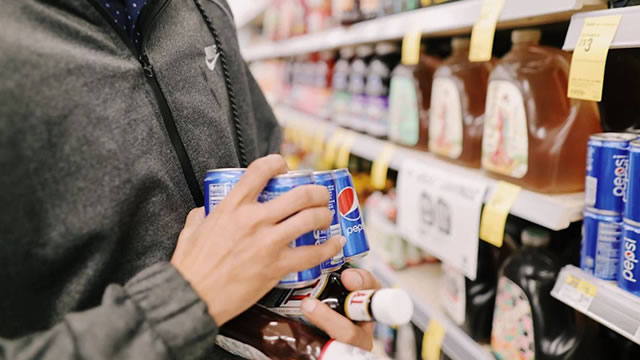
Coke and Pepsi boycott over Gaza lifts Muslim countries' local sodas
Coca-Cola and rival PepsiCo spent hundreds of millions of dollars over decades building demand for their soft drinks in Muslim-majority countries including Egypt to Pakistan.
Wall Street Analysts Think PepsiCo (PEP) Is a Good Investment: Is It?
The recommendations of Wall Street analysts are often relied on by investors when deciding whether to buy, sell, or hold a stock. Media reports about these brokerage-firm-employed (or sell-side) analysts changing their ratings often affect a stock's price.



