








Hormel Foods Gears Up for Q4 Earnings: What You Should Understand
HRL's Q4 results are likely to reflect adverse impacts from the production disruption at its Suffolk facility and increasing advertising costs.
A Few Years From Now, You'll Wish You Bought This Undervalued Stock
Hormel Foods (HRL 1.60%) is a Dividend King offering a historically high 3.6% dividend yield. It appears to be on the sale rack right now, and a few years from now, long-term dividend investors will probably wish they had bought it.
Insights Into Hormel (HRL) Q4: Wall Street Projections for Key Metrics
Besides Wall Street's top -and-bottom-line estimates for Hormel (HRL), review projections for some of its key metrics to gain a deeper understanding of how the company might have fared during the quarter ended October 2024.

Hormel Foods Boosts Shareholder Value With Dividend Increase
HRL's strategy of annually increasing dividends not only bolsters shareholder income but also reinforces investor confidence in the company.
If I Could Only Buy 3 Consumer Staples Stocks in the Last Half of 2024, I'd Pick These
If I Could Only Buy 3 Consumer Staples Stocks in the Last Half of 2024, I'd Pick These
1 Dividend Growth Stock Down 45% to Buy Right Now
1 Dividend Growth Stock Down 45% to Buy Right Now
3 Millionaire-Maker Dividend King Food Stocks
Food companies are usually pretty boring, but that doesn't mean they can't make you wealthy. Here are three to keep on your radar right now.

3 Magnificent Dividend Stocks That I'm "Never" Selling
Never is a long time, but there really are a few companies that deserve that type of commitment.
2 Millionaire-Maker Dividend-Paying Consumer Staples Stocks
Consumer staples companies make small products we buy on a regular basis, creating reliable income streams. PepsiCo has a broadly diversified food business, looks reasonably priced, and has increased its dividend annually for five decades.

3 Dividend King Consumer Staples Stocks That Could Make You a Millionaire
Coca-Cola isn't exactly cheap today, but it is well-run and helps provide a growth foundation to your portfolio. PepsiCo looks reasonably priced today and broadens its growing consumer staples business into the food category.
3 Magnificent Dividend Stocks That I'm "Never" Selling
Procter & Gamble went through a business overhaul that worried investors, but now investors love the consumer staples giant again. Hormel Foods is muddling through a difficult period, but it offers a historically high yield backed by 50-plus years of annual dividend increases.
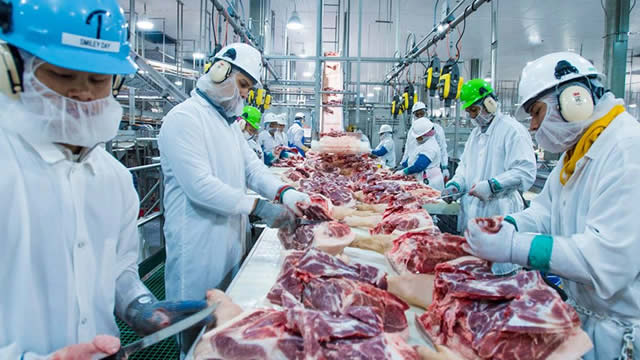
Hormel: Time to Feast on the Dip as Yield Gets Tastier
Hormel Foods Co. (NYSE: HRL) is a global branded food company in the consumer staples sector. Its shelf-stable, refrigerated meat and poultry food products are stocked across supermarkets, convenience stores, retailers, commercial kitchens, and food service provider pantries.



