



Intel Corporation (INTC)










Intel beats on revenue, issues better-than-expected forecast
Intel reported second-quarter results on Thursday that beat Wall Street expectations on revenue, as new CEO Lip-Bu Tan announced significant cuts in chip factory construction. In a memo to employees, Tan said that the first few months of his tenure had "not been easy.
Intel to Lay Off 15% of Workers, Cancel Billions in Projects in Bid for Rebound
The American chip-making giant is facing a strategic crossroads as it chases rivals like Nvidia and TSMC in the global silicon boom.
Intel Q2 seen beating expectations, but outlook clouded by cost cuts and competitive pressures
Intel Corp (NASDAQ:INTC, ETR:INL) is expected to report better-than-anticipated second-quarter results after the bell tonight, helped by tariff-related pull-ins and a favorable product mix, according to Bank of America analysts. “Q2 CPU [is] likely in-line to better on tariff related pull-ins,” the analysts wrote, though they cautioned that second-half results could disappoint as those benefits unwind.
INTC All About the Future: CEO Commentary, Foundry & Cost Cutting in Focus
While Intel's (INTC) earnings for the quarter aren't expected to bring fireworks, Marley Kayden says investors will be laser-focused on the company's path forward. She notes commentary from CEO Lip-Bu Tan and how he plans to lead the company out of a deficit will be what drive shares.
Intel beats shareholder lawsuit over $32 billion stock plunge
A federal judge dismissed a lawsuit accusing Intel of defrauding shareholders by concealing problems in a business where it manufactured chips for outside customers, leading to a $32 billion one-day plunge in its market value.
Time to Buy, Hold, or Sell Intel Stock as Q2 Earnings Approach?
Showing signs of a comeback, Intel (INTC) stock has started to rebound and is up +15% in 2025, with the chip giant's much-anticipated Q2 results approaching after-market hours on Thursday, July 24.
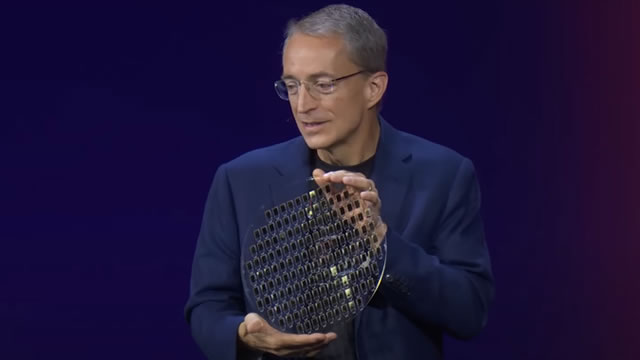
Intel Q2 Preview: Why I Expect More Pain, Offsetting All Gains
Intel is losing market share at an accelerated pace in its core markets of servers and CPUs. The company is growing at a woefully slow pace, versus competitors. Management is focused on cost-cutting, margin improvement, and reduction of cash burn. These are small positives, but not enough to offset its poor revenue performance. Valuation is elevated relative to historical norms, which is unwarranted, given deteriorating earnings fundamentals.
A Lot Of Wood To Chop For Intel's Ambitious Pivot
Intel's foundry pivot has led to massive losses, negative free cash flow, and operational setbacks, making a turnaround highly uncertain. Despite AI tailwinds, Intel's technological lag, poor yield rates, and costly strategic missteps have eroded its industry leadership and investor trust. The company's financial health is strained, with dividend cuts, halted buybacks, and a sky-high forward PE reflecting distress, not growth.
Intel's upcoming earnings have this analyst wondering if the numbers actually matter
Investors will be questioning the chip maker's strategy for the future more than worrying about its second quarter earnings results, Bernstein analysts say
Gear Up for Intel (INTC) Q2 Earnings: Wall Street Estimates for Key Metrics
Beyond analysts' top-and-bottom-line estimates for Intel (INTC), evaluate projections for some of its key metrics to gain a better insight into how the business might have performed for the quarter ended June 2025.
Intel: Q2 Will Likely Surprise You (Earnings Preview)
I reiterate my Buy rating on Intel, expecting a strong Q2 beat and continued outperformance versus key indices as recovery gains traction. Wall Street's consensus is too pessimistic; cost-cutting, operational focus, and new management should drive EPS and margin upside. PC refresh cycle, hyperscaler AI demand, and Gaudi 3 launch position Intel for positive surprises and upward guidance revisions.
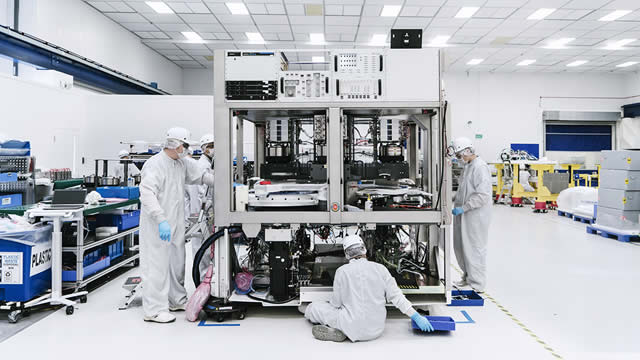
Intel Vs. TSMC: One To Trade, One To Own
There is a debate forming between TSMC versus Intel Corporation stock, and we're here to address the chatter. TSMC will continue to own the bulk of the foundry market, but we do see hope for INTC to be a solid second place player in foundry 2.0 with 18A. Our take is that both TSMC and Intel can be winners, over different time frames.



