



Merck & Co., Inc. (MRK)









Merck & Co., Inc. (MRK) is Attracting Investor Attention: Here is What You Should Know
Zacks.com users have recently been watching Merck (MRK) quite a bit. Thus, it is worth knowing the facts that could determine the stock's prospects.
Want to Collect a Dividend Every Month? Invest in These 3 High-Yielding Income Stocks
Collecting dividend income on a recurring basis can help strengthen your financial position and be a way for you to be less dependent on other sources of cash flow. The one downside is that many dividend stocks only pay on a quarterly basis, which means that you'll often be waiting multiple months before the next dividend payment.
Stock Of The Day: Where Does The Merck Downtrend End?
Shares of Merck & Co., Inc. MRK are trading flat on Thursday, but remain in a downtrend.
Merck: Healthcare Pharma Giant: 3.2% Yield, 9.3% 5-Year Dividend Growth, Buy Time
Merck & Co., a global pharmaceutical leader, focuses on oncology, immunology, and vaccines, with strong revenue from Keytruda and Gardasil despite challenges in China. Strategic acquisitions and partnerships, including Acceleron, Prometheus, and Daiichi Sankyo, bolster Merck's drug pipeline and expand its oncology and cardiovascular portfolios. Merck's robust R&D efforts and wide moat, supported by a strong dividend yield and A+ S&P credit rating, make it a compelling buy.
Merck's HIV treatment meets main goal of two late-stage studies
Merck said on Thursday its experimental drug combination to treat some adults with HIV-1 infection met the main goal of two late-stage studies.
Merck's weight-loss pill deal: what it means for Eli Lilly
Merck & Co Inc (NYSE: MRK) is in focus this morning after announcing a $2.0 billion deal with Hansoh Pharma. The said agreement wins it rights to HS-10535 – an experimental weight-loss pill (oral) developed by the Chinese drugmaker.
Merck pens $2bn deal for obesity drug from China's Hansoh
Merck & Co Inc (NYSE:MRK, ETR:6MK) has sought a potential weight loss drug candidate through a deal worth up to $2 billion with China's Hansoh Pharma. US-based Merck will get exclusive rights to develop, manufacture and sell the oral obesity drug, HS-10535, globally under the agreement, it announced on Wednesday.
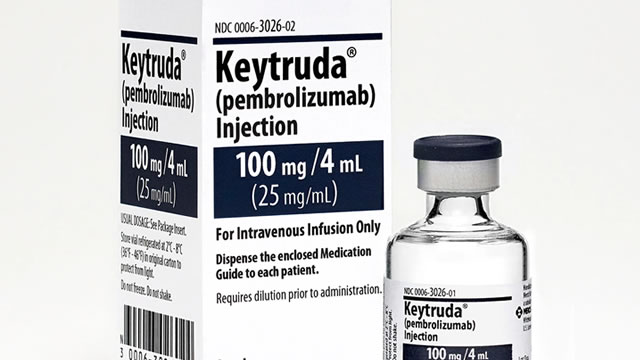
Merck's BLA for RSV Antibody Clesrovimab Gets FDA Acceptance
The FDA accepts MRK's BLA for clesrovimab, its monoclonal antibody, to protect infants from RSV disease. A decision from the agency is due on June 10, 2025.
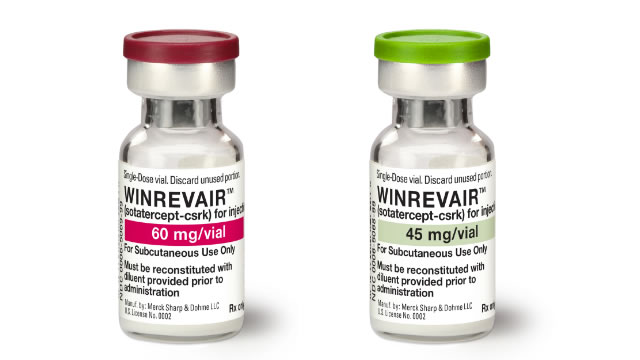
Merck to End Development of Two Cancer Candidates: Time to Sell?
We believe investors with a long-term horizon should stay invested in MRK stock, while short-term investors should consider selling the same.
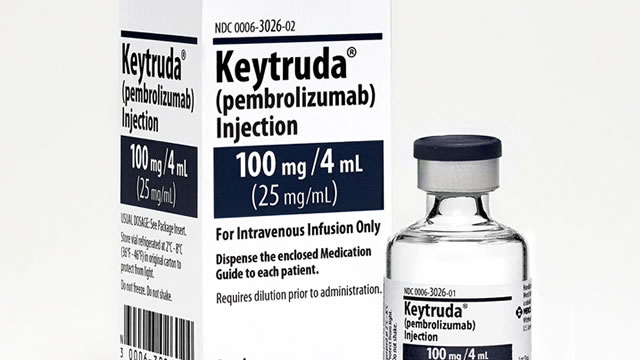
Merck to develop weight loss pill from Chinese drugmaker in up to $2 billion licensing deal
Merck on Wednesday said it has snagged the rights to an experimental weight loss pill from Chinese drugmaker Hansoh Pharma, in a deal worth up to $2 billion. Merck will pay Hansoh $112 million upfront for rights to the drug, with the potential for an additional $1.9 billion in milestone payments and royalties on sales, according to a news release.
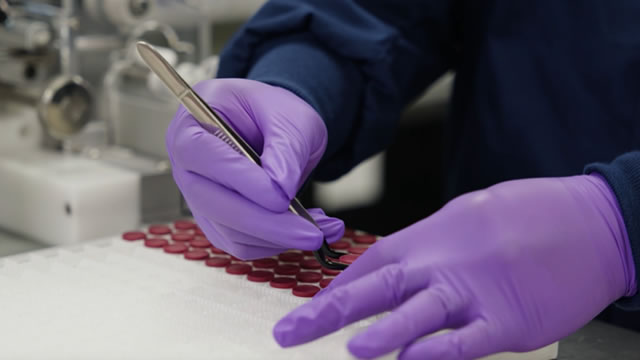
Merck signs up to $2 bln obesity drug deal with Chinese biotech Hansoh
U.S. drugmaker Merck on Wednesday signed a deal worth up to $2 billion with Hansoh Pharmaceuticals to develop and commercialize the Chinese biotech's experimental obesity drug.

Merck Ends Development of Two Experimental Cancer Drugs
MRK's decision to discontinue the development of two cancer drugs follows a series of setbacks in multiple late-stage studies.



