









RTX Corporation (RTX) is Attracting Investor Attention: Here is What You Should Know
Recently, Zacks.com users have been paying close attention to RTX (RTX). This makes it worthwhile to examine what the stock has in store.

RTX's Commercial Aftermarket Liftoff: Can It Overcome Tariff Gravity?
RTX's commercial aftermarket is soaring with double-digit sales growth, but heightened import tariffs threaten to weigh on profits.

RTX vs Lockheed Martin: Which Defense Stock Is the Stronger Player Now?
RTX's commercial gains contrast with Lockheed's defense strength, but liquidity and valuation shape which stock looks stronger now.
Is It Worth Investing in RTX (RTX) Based on Wall Street's Bullish Views?
The recommendations of Wall Street analysts are often relied on by investors when deciding whether to buy, sell, or hold a stock. Media reports about these brokerage-firm-employed (or sell-side) analysts changing their ratings often affect a stock's price.

The 1 Thing Investors in GE Aerospace and RTX Need to Know Before Buying Stock (And Why Airplanes Are Set to Look Dramatically Different in the Future)
GE Aerospace's (GE -0.71%) joint venture, CFM International, and RTX's (RTX -0.06%) Pratt & Whitney produce rival engines in the Airbus A320neo. In addition, the CFM engine, LEAP, is the sole engine option on the Boeing 737 MAX.

Why Is RTX (RTX) Up 0.1% Since Last Earnings Report?
RTX (RTX) reported earnings 30 days ago. What's next for the stock?

Trade Tracker: Kevin Simpson buys more McDonald's, RTX, Altria and Hasbro
Kevin Simpson, Capital Wealth Planning founder and CIO, joins CNBC's "Halftime Report" to detail his latest portfolio moves.
RTX Corporation (RTX) Is a Trending Stock: Facts to Know Before Betting on It
Recently, Zacks.com users have been paying close attention to RTX (RTX). This makes it worthwhile to examine what the stock has in store.

Beyond Mach 5: How RTX Is Redefining Hypersonic Dominance
RTX leverages decades of missile and radar expertise to lead U.S. hypersonic innovation, advancing both offensive and defensive capabilities.
How Should You Play RTX Stock Following Its DARPA Contract Win?
RTX secures a DARPA cybersecurity contract and posts strong defense and aerospace gains, but supply-chain and valuation risks linger.
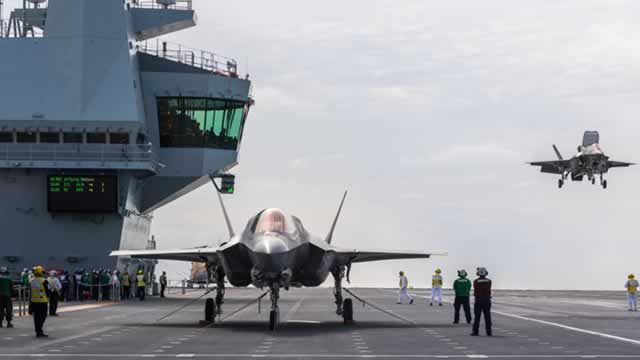
RTX: FOMO Drives New Heights - Wait For A Dip Buying Opportunity
RTX has enjoyed a well-diversified dual-pronged growth prospect arising from the ongoing commercial travel boom and the higher defense spending trends. These tailwinds have been observed in the higher multi-year backlog, the raised FY2025 organic growth guidance, and the richer adj operating margins, despite the tariff risks. These reasons may also be why RTX has been consistently well supported in its upward momentum, as FOMO traders/ investors continue to feed the its ongoing rally post earnings.

RTX: Fighting The Wall Of Reality
RTX issued weaker full-year EPS guidance, citing tariff impacts and tax law changes, despite a strong Q2 and a surge in commercial backlog. The company reported a flat defense sector backlog at $92 million, and organic sales growth is expected to slow, with no clear path to accelerated future growth. The stock's valuation has become stretched, trading at over 26x 2026 EPS estimates, while capital returns are now limited by high debt and valuation concerns.



