



UnitedHealth Group Incorporated (UNH)










How Does UnitedHealth Group Make Money?
UnitedHealth Group stock (NYSE: UNH) has recently faced significant scrutiny, with its stock experiencing a decline of over 50% since April. While the reasons for this drop are explored in more detail here – What Sparked UNH Stock Crash?

UnitedHealth: A Phoenix Rises From The Ashes
UnitedHealth has faced chaos from poor earnings, leadership changes, and relentless negative headlines, taking shares down over 60% from highs. Despite the turmoil, significant insider buying—including a $25 million purchase by Stephen Hemsley—signals strong internal confidence in the company's future. The stock now trades at a historically low valuation, with a nearly 3% dividend yield and potential for EPS recovery to $25-$27 in 2026.
What Sparked UNH Stock Crash?
UnitedHealth Group's stock has dropped a lot, over 50% since April. But, what caused this big fall?

UnitedHealth: The Worst Seems To Be Priced In
The current valuation drop has surpassed even the most pessimistic scenarios, signaling deep market concern and possible opportunity. The starting dividend yield is now near a record 10-year high. The stock faces a significant re-rating, trading -50+% off the all-time high.

UnitedHealth stock triggers strongest bullish signal in over 15 years
UnitedHealth (NYSE: UNH) has triggered one of its strongest technical bullish signals in over 15 years, with the stock plunging into deeply oversold territory.
UnitedHealth: No News Is Good News
UnitedHealth Group stock's selloff can be explained by three factors: higher medical costs, uncertainty around the CFO resignation, and most importantly, higher risk premium for UNH's specific risk. The UnitedHealthcare segment's margin is expected to decline to a new low in 2Q FY2025 and remain under pressure for the rest of the year. The DOJ's silence in recent weeks may suggest that no major red flags have been confirmed, which could help ease overly bearish sentiment on the stock.
Will UNH Stock Rebound?
Since April 11, 2025, UnitedHealth Group (NYSE: UNH) has undergone a prolonged and concerning decrease, culminating in a sharp 5.71% drop on May 21, finishing at $302.98. This represents one of the steepest daily selloffs in the stock's history and brings UNH to levels not seen in five years.

UnitedHealth's Sell-Off Is Exaggerated
UnitedHealth's recent sharp sell-off reflects concerns over rising medical costs, leadership changes, and a DOJ investigation into Medicare billing. The company withdrew its 2025 guidance, signaling uncertainty and potential revenue and EBIT declines in 2025. Considering the implications of the recent sell-off on required revenue and profitability, UNH could be undervalued by 44% to 123%.
UnitedHealth vs. Elevance: Which Healthcare Stock Has More Upside?
ELV outpaces UNH with stronger earnings, leaner costs and clearer guidance, making it the healthcare stock with more upside right now.
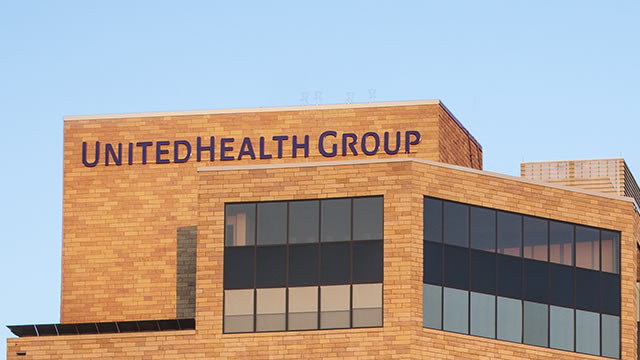
Wall Street Analysts Think UnitedHealth (UNH) Is a Good Investment: Is It?
Investors often turn to recommendations made by Wall Street analysts before making a Buy, Sell, or Hold decision about a stock. While media reports about rating changes by these brokerage-firm employed (or sell-side) analysts often affect a stock's price, do they really matter?

Will Hims & Hers Stock Be Okay After UnitedHealth's Sell-Off?
When investors choose to risk their capital in an individual company, they must be aware that the stock market isn't the one-sided machine it used to be a few decades ago. Thanks to the flow of information and availability in the digital space, today's market has become more interconnected than ever before.
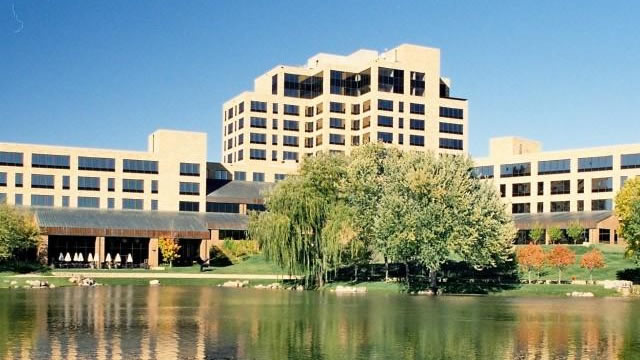
UnitedHealth takes another gut punch from government, as CMS boosts audit team
UnitedHealth investors have another bitter pill to swallow, as the CMS said it was aggressively growing its audit team to suss out “fraud, waste and abuse.”



