



Whirlpool Corporation (WHR)




WHR Q3 Earnings Beat, Sales Down Y/Y on Soft North America Unit
Whirlpool's Q3 2024 results show year-over-year declines in sales and earnings. However, the company is set to benefit from a U.S. housing recovery.
Compared to Estimates, Whirlpool (WHR) Q3 Earnings: A Look at Key Metrics
The headline numbers for Whirlpool (WHR) give insight into how the company performed in the quarter ended September 2024, but it may be worthwhile to compare some of its key metrics to Wall Street estimates and the year-ago actuals.

Whirlpool (WHR) Q3 Earnings Beat Estimates
Whirlpool (WHR) came out with quarterly earnings of $3.43 per share, beating the Zacks Consensus Estimate of $2.99 per share. This compares to earnings of $5.45 per share a year ago.
Whirlpool (WHR) Q3 Earnings on the Horizon: Analysts' Insights on Key Performance Measures
Evaluate the expected performance of Whirlpool (WHR) for the quarter ended September 2024, looking beyond the conventional Wall Street top-and-bottom-line estimates and examining some of its key metrics for better insight.
Whirlpool Gears Up for Q3 Earnings: What Lies Ahead for the Stock?
WHR's third-quarter 2024 results are likely to reflect the impacts of a tough macro environment, coupled with sluggish demand and inflationary pressures.
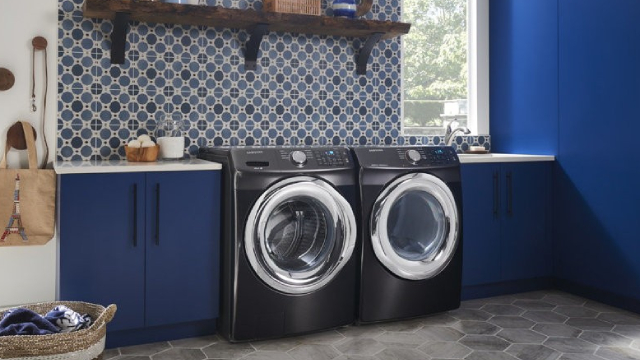
Whirlpool's High Dividend Yield Is Too Good to Pass Up
The time to buy Whirlpool NYSE: WHR for its dividend is now. The stock offers a buying opportunity that has been years in the making and will be viewed favorably for years to come.

Whirlpool Dividend Yield Says Now Is A Good Time To Buy
Whirlpool's dividend yield of 6.78% is rare and historically signals a strong buy opportunity, as seen in 2009 and near 2020. WHR's dividend is safe, with a payout ratio of 43% and ample free cash flow coverage, despite a SeekingAlpha rating of D. Management's confidence in maintaining dividends and benefiting from housing shortages further supports WHR's investment appeal.
Whirlpool: 6.5% Yielding Strong Buy
Whirlpool offers a 6.5% yield, 24% CAGR potential through 2026, and is 35% historically undervalued, making it an attractive investment despite its high volatility. The company is expected to recover 67% EPS by 2029, driven by economic growth, tax cuts, and AI economic boosts, leading to a 133% return potential. WHR's speculative nature stems from its cyclical industry and high volatility, but its strong dividend history and improving balance sheet provide confidence.
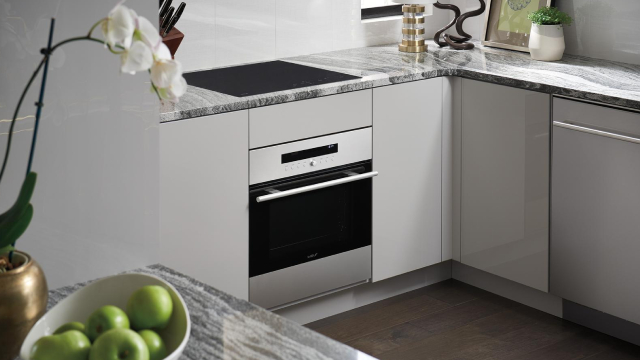
Whirlpool (WHR) Suffers a Larger Drop Than the General Market: Key Insights
The latest trading day saw Whirlpool (WHR) settling at $102.41, representing a -0.93% change from its previous close.
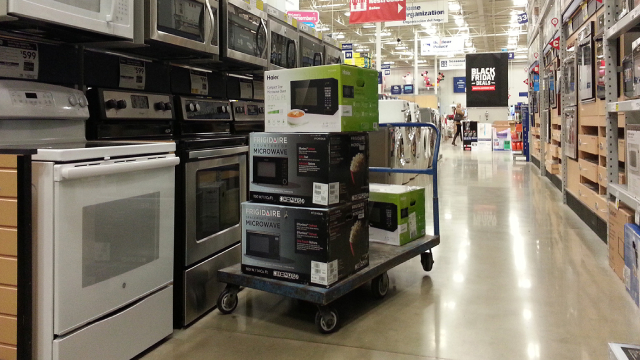
Why a Recent Quote From Home Depot's Management Could Mean Good News for This High-Yield Stock
Whirlpool's deteriorating margin performance is of concern to investors. The problem may be related to relatively high interest rates curtailing discretionary appliance purchases and a deteriorating market position.

Whirlpool (WHR) Increases Yet Falls Behind Market: What Investors Need to Know
Whirlpool (WHR) closed the most recent trading day at $97.19, moving +0.08% from the previous trading session.
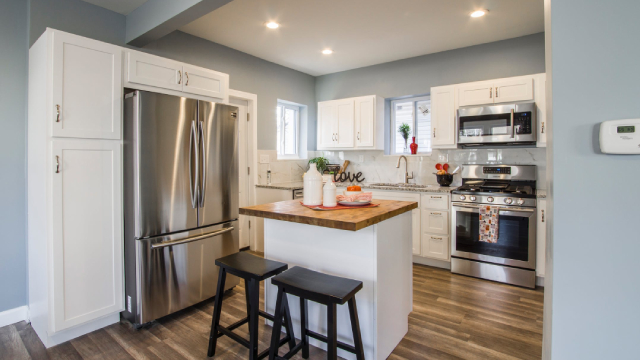
Whirlpool: Inexpensive Valuation And An Industrial-Strength 7% Dividend Yield
Whirlpool's stock has dropped 28.3% over the past year, presenting a buying opportunity under $100 with a 7.0% dividend yield. The company is expected to benefit from anticipated lower interest rates, which could boost consumer demand for big-ticket appliances and housing market activity. Whirlpool's shares are extremely undervalued, trading at significantly lower multiples compared to the S&P 500, offering a strong margin of safety.




