



Waste Management Inc. (WM)







Waste Management: Strategic Acquisitions And Innovation Position The Stock For Growth
Waste Management's economic necessity, innovation, and strategic acquisitions position it for sustained growth despite questions about its valuation in a tech-driven economy. The company is expanding in high-growth segments like recycling and renewable energy, investing billions to capture rising demand and enhance sustainability. Recent acquisitions, especially Stericycle, strengthen WM's business model, diversify revenue streams, and support long-term value creation.
Waste Management (WM) Outperforms Broader Market: What You Need to Know
Waste Management (WM) closed the most recent trading day at $237.15, moving +1.22% from the previous trading session.
Waste Management (NYSE: WM) Stock Price Prediction and Forecast 2025-2030 (June 2025)
Waste Management Inc. (NYSE: WM) has a large competitive moat, new market expansion opportunities, and a growing renewable energy business.
Waste Management (WM) Stock Declines While Market Improves: Some Information for Investors
Waste Management (WM) concluded the recent trading session at $238.89, signifying a -0.54% move from its prior day's close.
Waste Management (WM) Rises But Trails Market: What Investors Should Know
The latest trading day saw Waste Management (WM) settling at $237.76, representing a +0.26% change from its previous close.
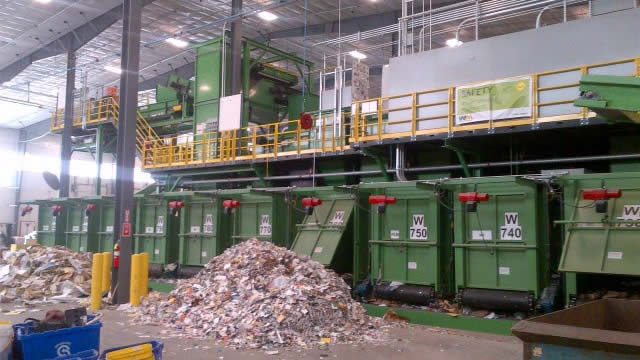
Waste Management (WM) Up 4% Since Last Earnings Report: Can It Continue?
Waste Management (WM) reported earnings 30 days ago. What's next for the stock?
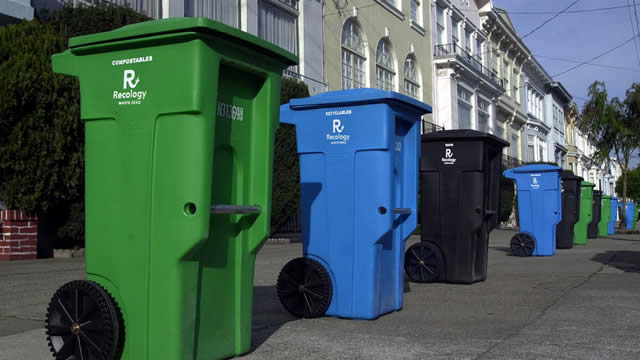
Waste Management Gets a New Boost—A Tariff Safe Haven?
When investors search for new trade ideas or potential breakout stocks, only a handful of indicators tend to stand out beyond the typical technical patterns. One of the most valuable comes not from price charts, but from the research and positioning of experienced market participants with the insight and track record to spot real opportunities.

Here's Why Investors Must Hold WM Stock in Their Portfolios Now
WM stock is benefiting from focused differentiation and efficient cost management.

Waste Management (NYSE: WM) Stock Price Prediction and Forecast 2025-2030 (May 2025)
Shares of Waste Management Inc. (NYSE: WM) are trading near their all-time high but are also marginally higher as a month ago.

Waste Management Stock: Tariff Proof, But Overbought?
Investors got a split decision when Waste Management Inc. NYSE: WM reported earnings after the market closed on April 28. Earnings per share (EPS) of $1.67 beat analysts' forecasts by eight cents.
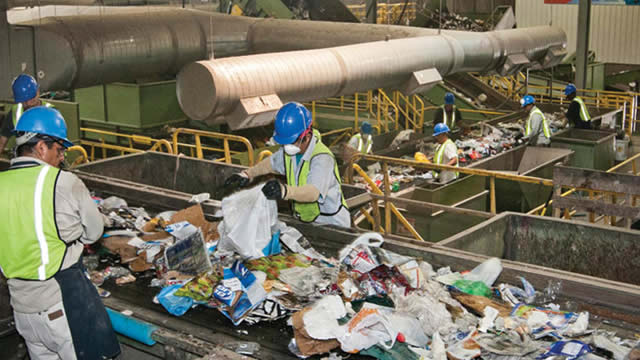
I Believe In Waste Management's Future, Just Not Its Current Price
Waste Management, Inc. is evolving from a traditional waste services company into a comprehensive environmental infrastructure platform with significant investments in sustainability, renewable energy, and regulated waste. WM's focus on automation and AI-powered solutions aims to reduce costs and improve efficiency, potentially saving $450 million by 2026. CapEx is heavy due to investments in RNG plants and automation, posing risks if delays or cost overruns occur, impacting WM free cash flow projections.

WM Earnings Beat Estimates in Q1, Revenues Appreciate 17% Y/Y
WM's top line in the first quarter of 2025 improves on the back of robust segmental performances.



