



Pandora A/S Sponsored ADR (PANDY)
 OTC PINK OTC PINK Primary
Denmark's Pandora opens world's largest jewellery factory in Vietnam
Danish jewellery maker Pandora opened a $150 million factory in Ho Chi Minh City on Thursday, its largest manufacturing facility and its first production site outside Thailand as it bids to diversify its manufacturing footprint and bolster supply-chain resilience.
As Trump and Xi meet, Chinese automakers could be a Pandora's box for U.S. auto industry
As President Donald Trump prepares to meet with Chinese President Xi Jinping, the U.S. auto industry is warning him to bar Chinese automakers from entering the country. Legislators have also urged the president to keep restrictions in place as bipartisan bills to ban Chinese automakers from the U.S. move through Congress.
Pandora A/S (PNDRY) Q2 2026 Earnings Call Transcript
Pandora A/S (PNDRY) Q2 2026 Earnings Call Transcript
Pandora A/S: The Pivot To Platinum Looks Like A Brilliant Move
Pandora A/S trades at a deep discount after a 50% share price decline, despite a strong business and a strategic transition underway. PNDZF is nearly fully hedged against silver price volatility for 2026 and is pivoting to platinum-plated jewelry, aiming to reduce silver exposure by ~80% by 2028. Despite margin pressures, Pandora maintains industry-leading profitability, and robust shareholder returns through dividends and buybacks.
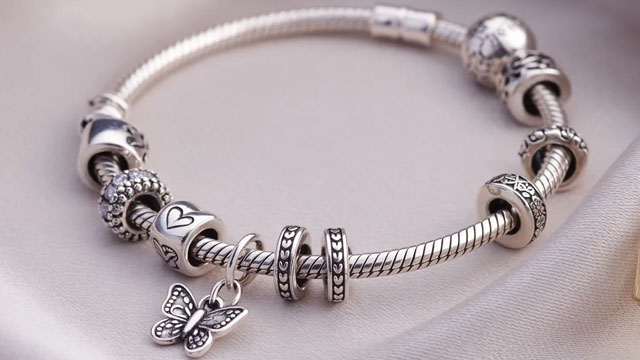
Pandora has a silver problem
Silver's volatility is rattling the world's largest jeweler, Pandora .
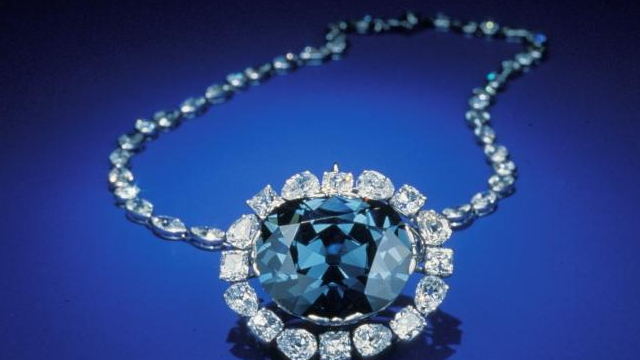
Pandora's New CEO Turns to Platinum Jewelry to Offset Silver Volatility
The jeweler aims to reduce dependence on silver as part of the strategy of its newly installed Chief Berta de Pablos-Barbier.
Pandora said the price of silver and gold has 'skyrocketed,' and it's betting on another precious metal
Pandora will introduce platinum-plated bracelets this year to reduce its reliance on price-volatile silver. The brand said the prices of gold and silver have "skyrocketed over the past year.

Pandora A/S (PNDRY) Q4 2025 Guidance Call Transcript
Pandora A/S (PNDRY) Q4 2025 Guidance Call Transcript
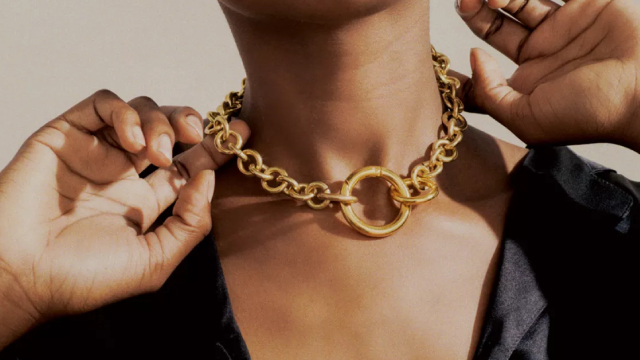
Pandora A/S: Charm At A Deep Discount
Pandora is a high-margin, globally recognized jewelry brand with multiple growth levers, including product category expansion, geographic reach, and digital enhancements. Despite temporary macroeconomic headwinds (e.g., weak Chinese consumer demand, FX pressure), the company continues to post solid organic revenue and EPS growth. Valuation metrics are significantly below peers, despite Pandora's superior profitability, capital efficiency, and brand strength.
Pandora Jewelry Opens First U.S. Flagship Store Despite Tariff Headwinds
Pandora Jewelry will open its first U.S. flagship store in Las Vegas on Friday, June 6. At 3,000 square feet – about three times larger than the typical Pandora concept store – it is designed for maximum customer impact in keeping with the energy and spectacle of the Las Vegas Strip.
Jewelers Likely to Hike Prices Due to Tariffs, Pandora CEO Says
Higher tariffs will eventually be passed on to U.S. consumers, even if the jewelry industry is holding off on price hikes for now, the chief executive said.
Pandora: Crushed By Guidance, Carried By Fundamentals
Pandora aligns well with a value investment thesis, maintaining high operating margins and efficiently returning capital through buybacks and dividends. Despite robust 2024 figures, Pandora's shares plummeted due to weaker-than-expected 2025 guidance, presenting a buying opportunity with a comfortable margin of safety. Pandora's strategic positioning between luxury and affordability, coupled with a recession-proof model, allows it to withstand macroeconomic pressures and maintain strong demand.




