



Shake Shack Inc. (SHAK)





Shake Shack Gears Up to Report Q2 Earnings: Factors to Watch
SHAK heads into Q2 with menu-driven sales momentum, digital growth and new openings, while beef inflation pressures earnings.
Earnings Preview: Shake Shack (SHAK) Q2 Earnings Expected to Decline
Shake Shack (SHAK) doesn't possess the right combination of the two key ingredients for a likely earnings beat in its upcoming report. Get prepared with the key expectations.
Shake Shack Stock Down 40% in 6 Months: Should You Buy the Dip?
SHAK has slid sharply as investors weigh long-term expansion plans against margin pressure and weaker earnings expectations.
Shake Shack: A Buy On A Deeper Dip
Shake Shack is a premium growth restaurant concept with strong revenue growth and expanding gross margins, but only modest net profitability. SHAK trades at high valuation multiples (50x forward P/E) vs. peers, reflecting expectations for continued expansion and margin improvement. The balance sheet is conservative, with minimal leverage and ample liquidity, supporting disciplined national and international growth.

Shake Shack: The Recent Guidance Cut Doesn't Change The Long-Term Thesis
Shake Shack remains a buy amid a ~60% stock decline YoY, while its long-term growth and re-rating potential are intact. Recent guidance cuts reflect macroeconomic headwinds, with Q2 revenue and margin expectations lowered and near-term volatility being likely. SHAK's asset-light model, strong balance sheet, and digital initiatives support ongoing expansion and improved guest engagement.
Shake Shack Cuts Guidance Due to Uncertainty, Competition
Shake Shack scaled back its financial guidance as the burger chain continues to face a tough environment.
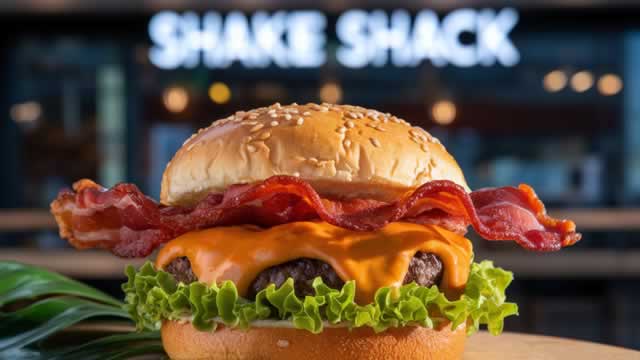
Shake Shack Stock Gets Shaken After Earnings Miss
Shake Shack Inc. NYSE: SHAK left investors with a bad taste in their mouths after the premium burger chain's disappointing first-quarter earnings report sent shares plunging 28%.
Shake Shack (SHAK) Reports Q1 Earnings: What Key Metrics Have to Say
The headline numbers for Shake Shack (SHAK) give insight into how the company performed in the quarter ended March 2026, but it may be worthwhile to compare some of its key metrics to Wall Street estimates and the year-ago actuals.
Shake Shack shares shook by sales shock, sliding 30%
“We continue to see declines in tourism in our largest urban markets, particularly New York City,” said Shake Shack CEO Rob Lynch.

Shake Shack Inc. (SHAK) Q1 2026 Earnings Call Transcript
Shake Shack Inc. (SHAK) Q1 2026 Earnings Call Transcript
Options Traders Eyeing 2 Burger Giants After Earnings
McDonald's Corp (NYSE:MCD) and Shake Shack Inc's (NYSE:SHAK) first-quarter results are shaking things up today, with the shares of the latter experiencing significant price movement in response.

Beef is very expensive right now — and Shake Shack just lost money for the first time in years
The burger chain's shares were dropping nearly 30% in the face of cost inflation and challenging consumer sentiment.




