



United States Brent Oil Fund, LP (BNO)
 ARCA ARCA Primary
Oil News: Will OPEC Production Surge Sink Crude Oil Futures This Week?
Crude oil outlook turns bearish as geopolitical risks ease, OPEC plans a supply hike, and demand signals remain weak ahead of next week's trade.
Oil News: OPEC+ Agrees Larger Output Hike, Traders Watch for Potential Price Drop
OPEC+ agrees to a larger output hike, raising oversupply risks. Traders watch crude oil for a potential price drop as markets prepare for Monday's session.
OPEC+ members agree larger-than-expected oil production hike in August
An eight-nation subset of the oil-producing OPEC+ alliance agreed to lift production by a larger-than-expected 548,000 barrels per day in August. The group comprises heavyweight producers Russia and Saudi Arabia, alongside Algeria, Iraq, Kazakhstan, Kuwait, Oman and the United Arab Emirates.

OPEC+ considers raising oil output by 550,000 bpd in August, sources say
OPEC+ will consider raising oil output by around 550,000 barrels per day in August at its meeting on Saturday, up from the monthly increases of 411,000 bpd it approved for May, June and July, two sources familiar with the discussions said.
OPEC+ set to make another accelerated oil output hike on Saturday, sources say
Eight OPEC+ countries are likely to make another accelerated oil output increase for August at a meeting on Saturday, sources from the producer group told Reuters, as they seek to regain market share.
Oil News: Iran Talks Ease Crude Oil Fears, OPEC Production Hike in Focus
Iran talks ease crude oil fears as OPEC plans an output hike. Traders watch WTI, Brent levels and tariffs for the next oil prices forecast.

Food Prices Rose in June, Driven by Meat, Vegetable-Oil Increases
Food prices rose in June as higher meat, vegetable-oil and dairy prices offset lower cereal and sugar prices, the Food and Agriculture Organization of the UN said.

Weaker dollar boosts competitiveness of non-oil sectors: Economist
Monica Mailk, Chief Economist at Abu Dhabi Commercial Bank, talks about how a weaker dollar and sensitive treasury yields will affect Gulf economies.
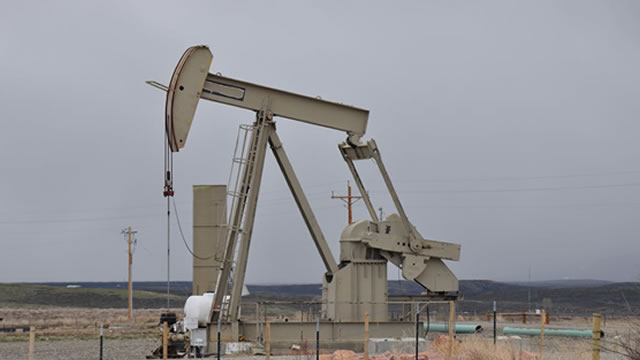
Natural Gas and Oil Forecast: Sanctions, Supply Talks, and Chart Patterns Shape Outlook
Natural gas hovers above $3.30 as bearish momentum builds. Oil prices rebound 2% weekly amid sanctions and OPEC+ supply concerns.
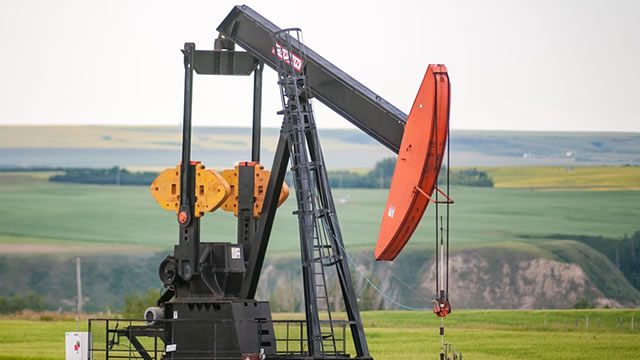
Oil prices steady on solid job market, tariff uncertainty
Oil prices were little changed on Friday as a solid job market bolstered the case for the U.S. Federal Reserve keeping interest rates on hold, with investors also awaiting clarity on President Donald Trump's plans for tariffs on various countries.
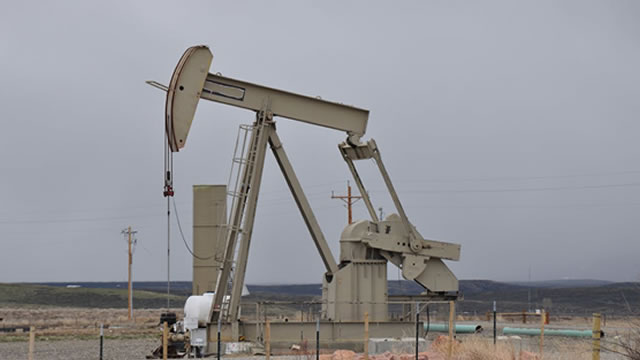
Trump megabill gives the oil industry everything it wants and ends key support for solar and wind
The One Big Beautiful Bill Act gives the oil, gas and coal industries historic access to federal lands while ending key tax credits for solar and wind. President Donald Trump has been openly hostile to renewables, slamming solar farms as "ugly as hell" in a recent interview with Fox News.

BNO: Distillate Performance Favors Brent In The Current Environment
Brent crude oil is highly sensitive to Middle East tensions, making the United States Brent Oil Fund, LP ETF a potential beneficiary if conflict escalates or the Strait of Hormuz is disrupted. Recent geopolitical events have driven sharp rallies in both WTI and Brent, but Brent could outperform if supply fears intensify. Distillate products like heating oil have outperformed gasoline, signaling market anxiety over Middle Eastern supply disruptions.



