



United States Brent Oil Fund, LP (BNO)
 ARCA ARCA Primary
Oil News: Crude Oil Futures Break 50-Day MA as Supply Fears Build
Light crude oil futures break above 50-day MA at $59.67. Fed rate cuts and supply risks fuel rally, but can buyers hold the line?

How the oil industry's climate-change solution is surviving Trump's attack on green energy
The carbon-capture story reveals the nation's shifting priorities and inconsistent approach to clean-energy and climate change.

Oil prices hold steady due to stalled Ukraine peace talks and supply outlook
The market is also assessing the impact of a possible U.S. Fed rate cut and tensions with Venezuela, both of which could boost oil prices, analysts said.

Crude Oil Price Outlook – Crude Continues to See Resistance in Channel
Crude oil continued to struggle on Friday as both WTI and Brent faced pressure from downtrend lines, the 50-day EMA, and major resistance near $60. Supply remains ample, demand soft, and short-term rallies still appear vulnerable to selling.

Natural Gas and Oil Forecast: Rising Channels and Geopolitical Tensions Shape Prices
Geopolitical tensions and supply risks push oil higher while Natural Gas holds a rising channel. Key resistance tests signal major moves ahead.

Oil Edges Down After Recent Gains; Ukraine Tensions, Fed in Focus
Oil ticked down in Asia after settling higher overnight, but stays on track for a weekly gain.

Oil prices head for 2% weekly gain as Fed hopes boost market, Venezuela tensions loom
WTI oil prices were heading for weekly gains of close to 2% in early trading on Friday, supported by an expected Federal Reserve interest rate cut, escalating U.S.-Venezuela tensions and stalled peace talks in Moscow.

What oil traders say matters about any U.S. push for regime change in Venezuela
President Donald Trump has blamed drug trafficking for the deadly U.S. strikes on boats in the Caribbean Sea and his threats to force the resignation of Venezuela's President Nicolás Maduro, but crude oil is almost certainly playing a part too.

OPEC oil output slips in November despite agreed hike, survey finds
OPEC's oil output edged lower in November, despite an OPEC+ agreement to raise production for the month, due to outages in some members, a Reuters survey found on Thursday, bringing supply from the group further below its target.

Strategist who nailed stocks, bonds and oil this year warns of ‘optimism shakeout' in early 2026
Look for more AI adoption to help broaden the stock market next year, but overly optimistic sentiment may need a reset early on, says strategist Warren Pies.

Natural Gas and Oil Forecast: Bullish Trend Extends but Resistance Zones Test Buyer Strength
Geopolitical tensions and rising channels support natural gas and oil, but resistance zones and oversupply risks keep prices capped in the near term.
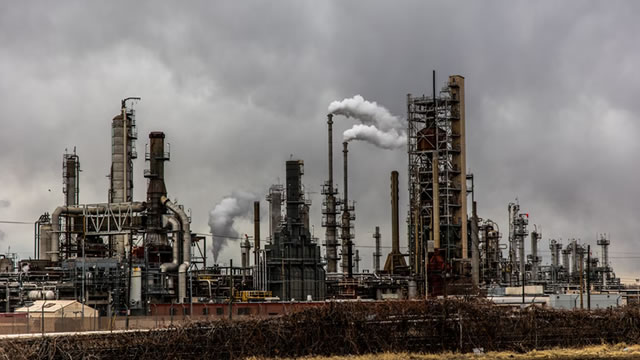
Oil Rises as Geopolitical Frictions Raise Supply Risk
Oil rose in Asia morning trade as markets stayed focused on geopolitical tensions.



