



United States Brent Oil Fund, LP (BNO)
 ARCA ARCA Primary
Natural Gas and Oil Forecast: Geopolitical Tensions Lift Prices, But Resistance Looms
WTI crude rises 4% as demand and geopolitical tensions lift sentiment, but resistance at $63.86 and weak Asia demand cap gains.

Oil prices on track for solid weekly gains as China and U.S. resume trade talks
Oil prices slipped on Friday but were on track for their first weekly gain in three weeks after U.S. President Donald Trump and China's Xi Jinping resumed trade talks, raising hopes for growth and stronger demand in the world's two largest economies.

Oil Prices Have Stayed Unexpectedly Strong. One Wildcard Could Keep Them Rising.
Oil prices are defying the odds right now, rising despite a near-certainty that the oil market will be oversupplied in a matter of weeks. Absent a geopolitical shock like an escalation between the U.S. and Iran, oil prices seem destined to fall in the coming weeks.
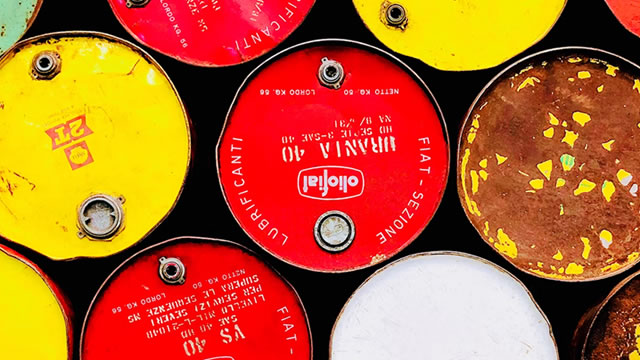
Crude Oil Price Outlook – Crude Oil Continues to Build Pressures
Crude oil markets continues to look as if they are building a bit of pressure in a basing pattern. With this, the market is likely to continue to see a lot of choppy behavior.

Oil Edges Lower on Mixed Signals
Oil edged lower in the early Asian session amid mixed signals.
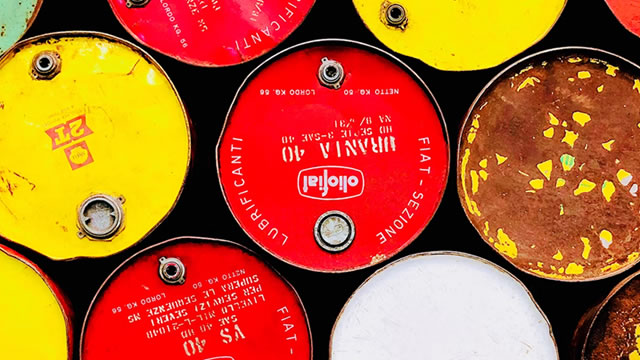
Oil rises on Iran, Russia and Canada supply concerns
Oil prices rose in early Asia trade on Tuesday on concerns about supply, with Iran set to reject a U.S. nuclear deal proposal that would be key to easing sanctions on the major oil producer, and with production in Canada hit by wildfires.

Oil Rises Amid Ongoing Geopolitical Tensions
Oil rose in the early Asian session amid ongoing geopolitical tensions.

Oil Prices Rebound: Can the ETF Rally Last?
OPEC+ sticks to a 411,000 bpd July hike, fueling a modest oil price rebound amid tight supply. ETFs like USO and BNO are likely to gain.
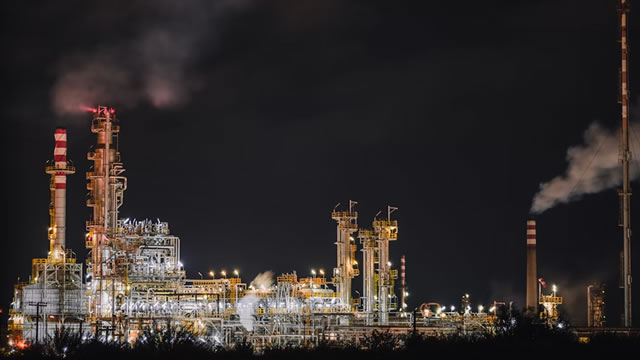
Oil Rises Amid Geopolitical Tensions
Oil rose in the early Asian session amid geopolitical tensions.

Oil prices set to drop more as OPEC+ agrees to another sharp production hike
The largest group of oil-producing nations agreed over the weekend to sharply increase crude production for the third month in a row, a move intended to reassert control over the market by driving oil prices lower.
Oil News: Bearish Oil Outlook Deepens as Demand Weakens, OPEC+ Decision Looms
Oil demand concerns and a stronger dollar weigh on crude futures as traders await the June 2 OPEC+ decision. WTI closes lower for a second straight week.
OPEC+ set to discuss July oil output hike, may be larger than 411,000 bpd, sources say
OPEC+ meets on Saturday to discuss an increase in oil output for July that may be larger than the 411,000 barrels per day (bpd) increases it made for May and June, sources familiar with OPEC+ talks told Reuters.



