









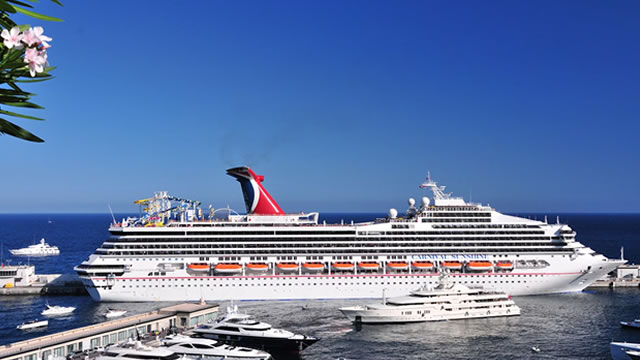
If You'd Invested $1,000 in Carnival Stock 20 Years Ago, Here's How Much You'd Have Today
I won't sugarcoat it: Leading cruise line operator Carnival Corporation (CCL -1.95%) has been a poor long-term investment.
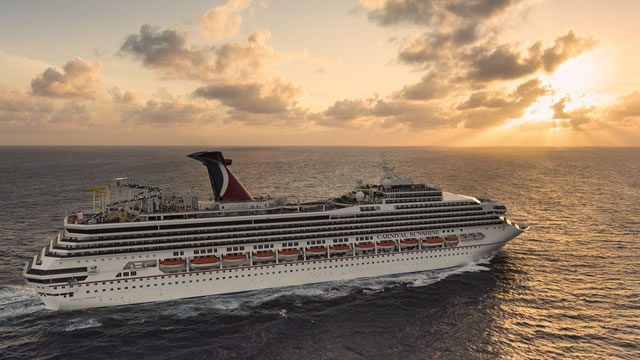
Carnival (CCL) Increases Despite Market Slip: Here's What You Need to Know
In the most recent trading session, Carnival (CCL) closed at $19.10, indicating a +0.1% shift from the previous trading day.
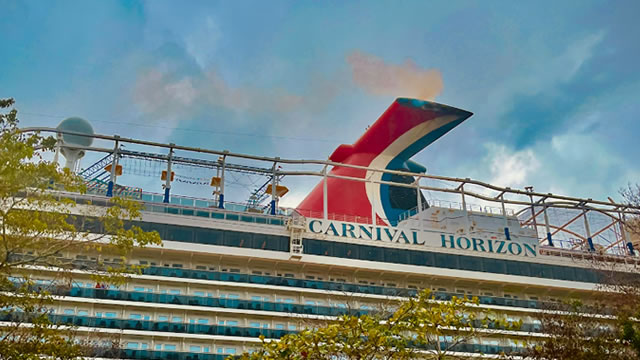
Carnival (CCL) Beats Stock Market Upswing: What Investors Need to Know
In the closing of the recent trading day, Carnival (CCL) stood at $22.34, denoting a +1.96% change from the preceding trading day.

Where Will Carnival Stock Be in 1 Year?
Carnival (CCL 1.83%) (CUK 1.88%) is the largest cruise operator in the world, but this industry leader has had a rough few years. Its business has rebounded, but there are some leftover effects that are still weighing on its financial statements.
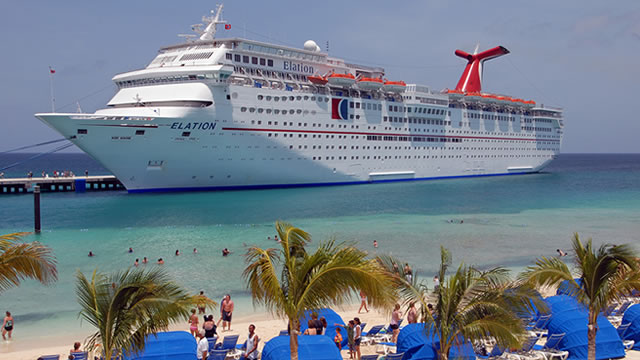
Wall Street Analysts Think Carnival (CCL) Is a Good Investment: Is It?
Investors often turn to recommendations made by Wall Street analysts before making a Buy, Sell, or Hold decision about a stock. While media reports about rating changes by these brokerage-firm employed (or sell-side) analysts often affect a stock's price, do they really matter?
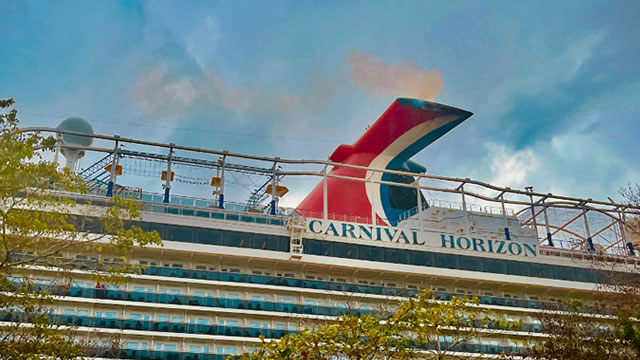
Why Carnival (CCL) is a Top Value Stock for the Long-Term
The Zacks Style Scores offers investors a way to easily find top-rated stocks based on their investing style. Here's why you should take advantage.
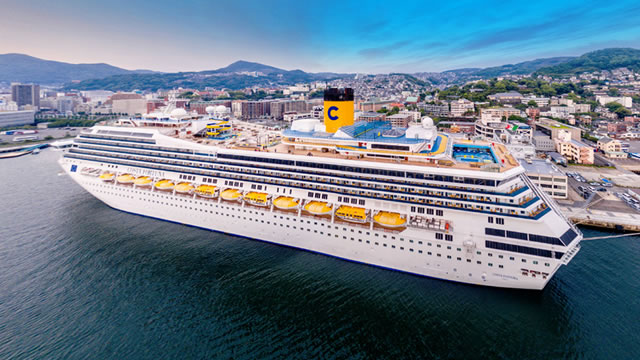
Carnival: Don't Fear Taxes
Carnival's stock fell due to tax fears, but no immediate tax hits are expected, making the dip likely irrational. The cruise line's booming business and strong bookings for 2025 and 2026 support a bullish outlook, despite potential minimal tax impacts. Carnival's net debt reduction and high EPS growth potential make it an attractive investment.
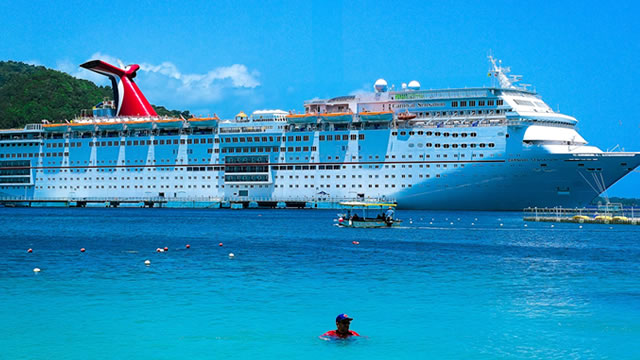
CCL Stock Rises 42% in 6 Months: Should You Act Now or Hold Steady?
Carnival's strong consumer demand, record booking trends, and strategic investments in fleet enhancements fuel optimism. Yet, cost pressures ail.
Carnival (CCL) Ascends While Market Falls: Some Facts to Note
Carnival (CCL) reachead $23.63 at the closing of the latest trading day, reflecting a +1.77% change compared to its last close.

Carnival Corp: Shaping Up Value, Shipping Out Debt
Carnival Corp: Shaping Up Value, Shipping Out Debt
1 Growth Stock Down 65% to Buy Right Now
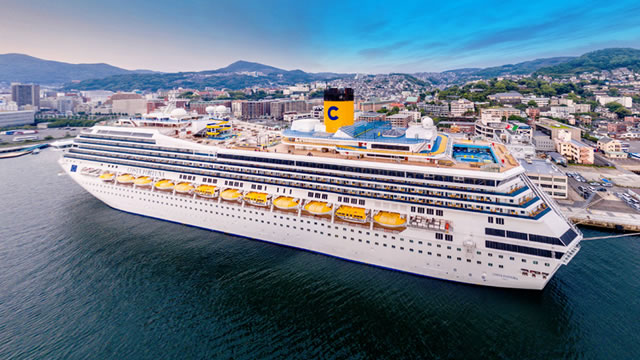
Vacation-hungry travelers propelled Carnival (CCL -5.46%) to record-breaking revenue and cruise bookings in 2024. The company is capitalizing on an industry boom, with data showing a steady rise in first-time and repeat cruisers.
Carnival (CCL) Upgraded to Buy: What Does It Mean for the Stock?
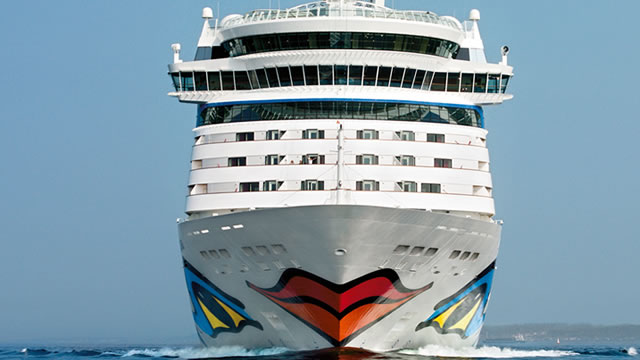
Carnival (CCL) has been upgraded to a Zacks Rank #2 (Buy), reflecting growing optimism about the company's earnings prospects. This might drive the stock higher in the near term.



