







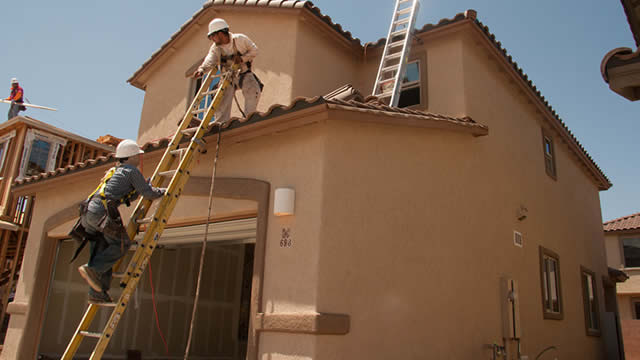
Compared to Estimates, D.R. Horton (DHI) Q4 Earnings: A Look at Key Metrics
The headline numbers for D.R. Horton (DHI) give insight into how the company performed in the quarter ended September 2025, but it may be worthwhile to compare some of its key metrics to Wall Street estimates and the year-ago actuals.

D.R. Horton (DHI) Q4 Earnings Miss Estimates
D.R. Horton (DHI) came out with quarterly earnings of $3.04 per share, missing the Zacks Consensus Estimate of $3.29 per share. This compares to earnings of $3.92 per share a year ago.
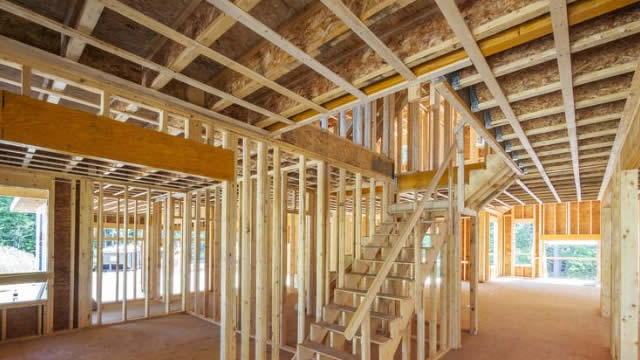
D.R. Horton Profit Falls as Housing Market Remains Stagnant
D.R. Horton recorded a lower fourth-quarter profit as affordability concerns continued to put off home buyers.

Here's What Investors Must Know Ahead of D.R. Horton's Q4 Earnings
DHI gears up to report fourth-quarter results as affordability hurdles, mortgage rates and margin pressure weigh on expectations.
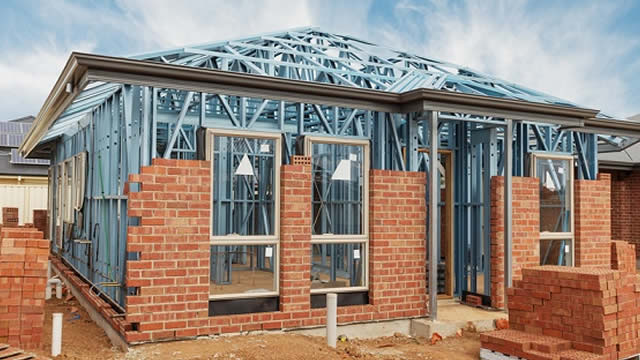
D.R. Horton: Despite Real Challenges, Upside Remains
D.R. Horton remains a soft "Buy" despite recent fundamental deterioration and a pricier valuation relative to peers. DHI's market leadership, diversified price points, and strong capital returns through dividends and aggressive buybacks support its investment case. Recent results show declining revenue, profits, and backlog due to high interest rates and weak housing demand, but cash flow remains solid.
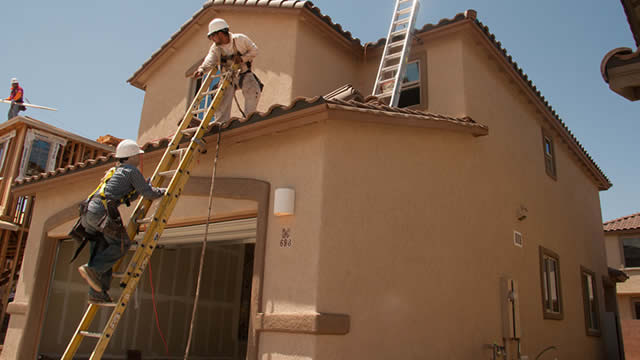
Home Builder Stocks Fall. Lumber Tariffs Are Back in the Picture.
Builders are sensitive to lumber pricing. But they are likely to weather the new tariffs, one analyst says.
Is Builder Confidence Set to Rebound on Looming Fed Rate Cuts?
Builder confidence stayed flat in September, but falling mortgage rates may spark a housing market rebound, with stocks like DHI, TOL, HD, LOW and MAS already gaining ground.
With Rate Cuts Ahead, Buffett-Backed Builders Look Like a Buy
Between elevated rates and historically high home prices, the housing market has deterred buyers, many of whom are uncomfortable assuming a 30-year fixed-rate mortgage above 6%, according to the National Association of Realtors (NAR).
Why Is D.R. Horton (DHI) Up 10.3% Since Last Earnings Report?
D.R. Horton (DHI) reported earnings 30 days ago. What's next for the stock?
Home-builder stocks are hot — these are expected to show the best growth numbers
These home builders are showing the best growth potential for sales and for earnings.

Investors are plowing into homebuilder stocks. Will Jackson Hole prove them wrong?
Previously unloved stocks are making a big comeback before Jackson Hole, the Federal Reserve's annual summer economic summit
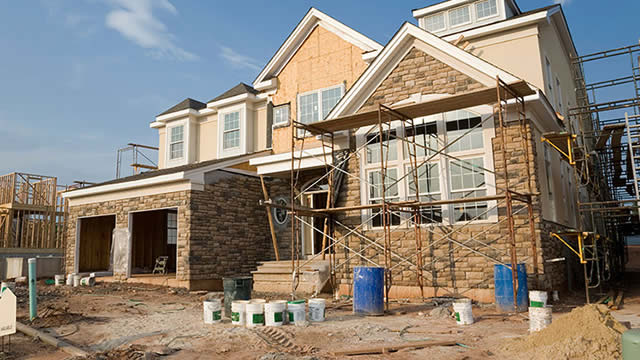
D.R. Horton: Robust Operations And Liquidity Warrant An Upside
Many homebuilders like D.R. Horton experience the softness in the housing market, but I don't think it will lead to a crash considering their cautious construction and low inventory. DHI takes advantage of its geographical diversification and inventory management to set a strategic pricing, attract demand, and stabilize operating costs. Its robust liquidity with only a 0.90x Net Debt/EBITDA ensures its sustainability.




