



Diamondback Energy Inc. (FANG)








Diamondback Energy Announces $4.45B Drop-Down Deal With Viper
FANG to sell mineral and royalty interest to Viper in a cash and stock deal to reduce debt after a $26 billion acquisition of Endeavor Energy Resources.
Diamondback Energy (FANG) Rises Higher Than Market: Key Facts
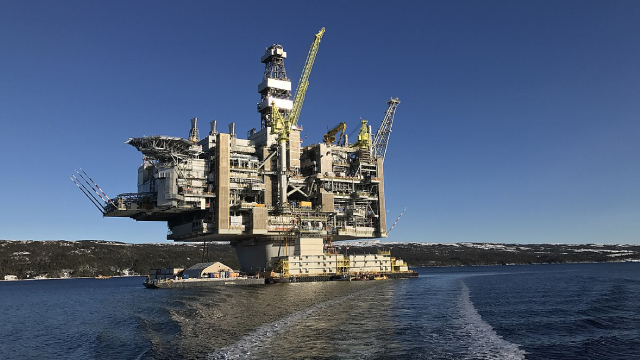
Diamondback Energy (FANG) closed the most recent trading day at $177.61, moving +1.62% from the previous trading session.
Diamondback Energy flags lower prices for oil production in fourth quarter
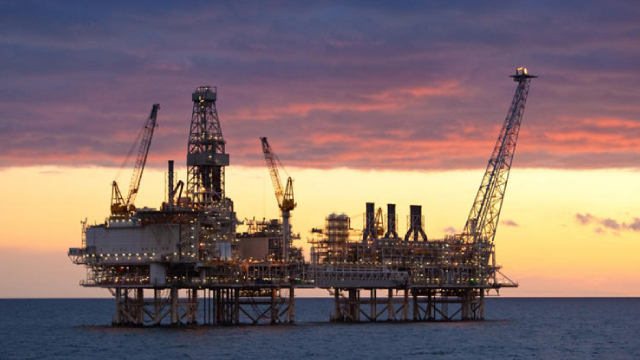
U.S. shale producer Diamondback Energy on Monday flagged lower prices for its oil production in the fourth quarter, compared to the preceding three months.
Diamondback Energy (FANG) Advances While Market Declines: Some Information for Investors
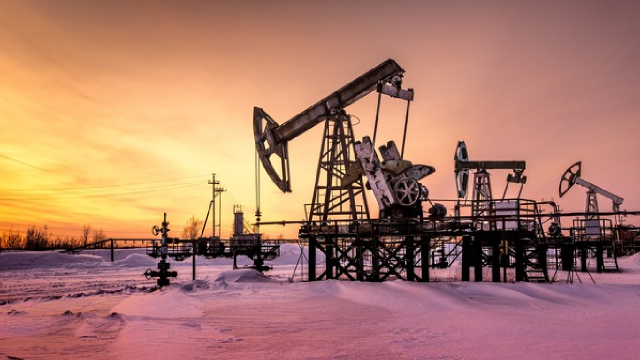
The latest trading day saw Diamondback Energy (FANG) settling at $172.42, representing a +1.64% change from its previous close.

Wolfe upgrades Diamondback to Outperform, says pullback resets investment case
Wolfe Research analyst Doug Leggate upgraded Diamondback Energy to Outperform from Peer Perform with a $190 price target. Diamondback gained premature recognition for synergies expected from its Endeavor acquisition after announcing the deal last year, the analyst tells investors in a research note. The firm added that the recent pullback resets the investment case to levels where associated value is a low-cost option.
Why the Market Dipped But Diamondback Energy (FANG) Gained Today
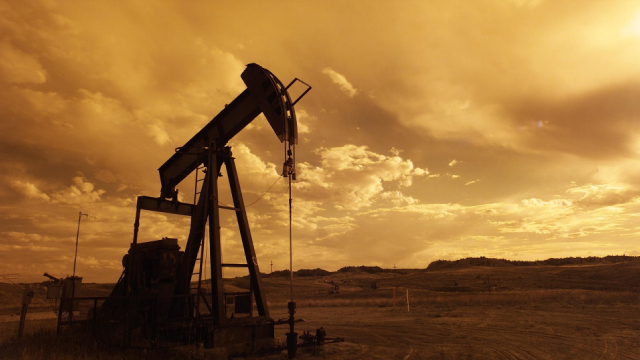
Diamondback Energy (FANG) reachead $158.34 at the closing of the latest trading day, reflecting a +0.2% change compared to its last close.
Better Energy Stock: Diamondback Energy vs. Occidental Petroleum
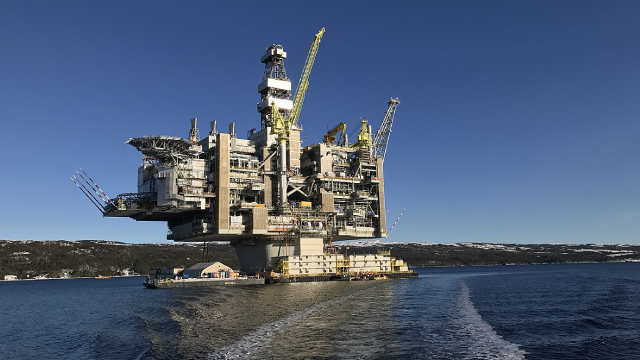
Occidental Petroleum (OXY 0.58%) and Diamondback Energy (FANG 1.07%) are two of the leading producers in the prolific Permian Basin that runs through parts of Texas and New Mexico. That basin has almost single-handedly turned America into an oil-producing powerhouse.
FANG Teams With Halliburton & VoltaGrid to Deploy Electric Frac Fleets
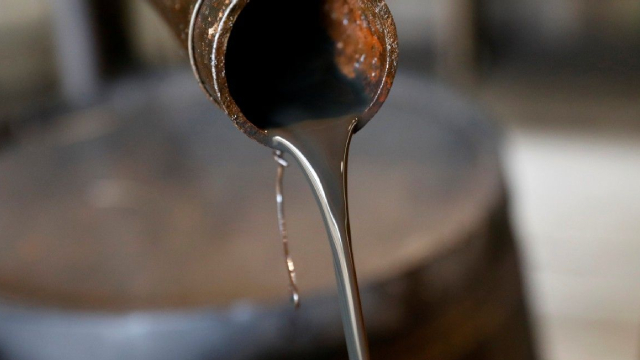
Diamondback, Halliburton and VoltaGrid collaborate to deploy electric simul-frac fleets in the Permian Basin, enhancing efficiency and reducing emissions.
Exxon Mobil Vs. Diamondback Energy: Only One Is A Compelling Buy
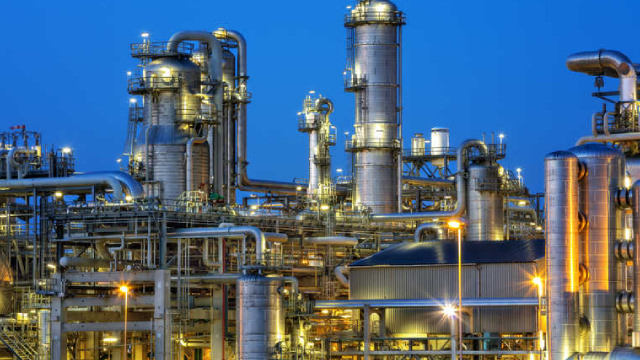
Diamondback Energy and Exxon Mobil are major energy production companies. They both have generous shareholder capital return programs. I compare them side-by-side and share which one I think is the better buy right now.
Wall Street Analysts Think Diamondback (FANG) Is a Good Investment: Is It?
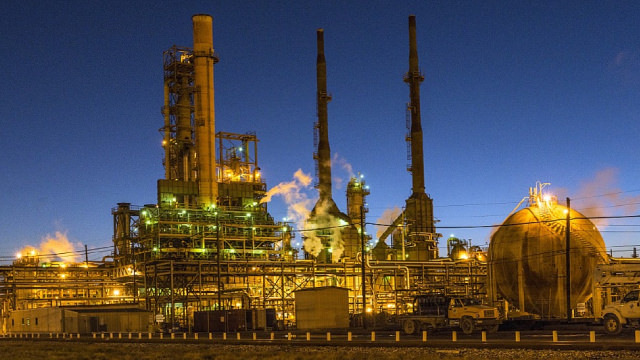
The recommendations of Wall Street analysts are often relied on by investors when deciding whether to buy, sell, or hold a stock. Media reports about these brokerage-firm-employed (or sell-side) analysts changing their ratings often affect a stock's price.
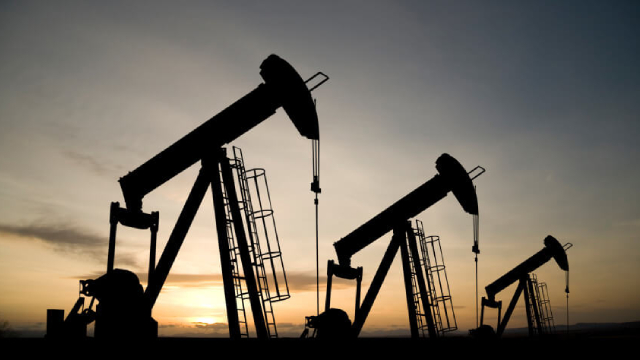
Why Is Diamondback (FANG) Up 0.1% Since Last Earnings Report?
Diamondback (FANG) reported earnings 30 days ago. What's next for the stock?

Diamondback Energy: Take Advantage Of The Divergence
Diamondback Energy's share price has declined due to a divergence in market conditions, despite the overall market strength and its robust market capitalization. The company remains committed to capital allocation for shareholder returns, even in a weaker oil price environment. The primary risk to Diamondback Energy's investment thesis is the volatility of oil prices, which impacts profitability and future shareholder returns.



