



Halliburton Co. (HAL)









Halliburton (HAL) Advances But Underperforms Market: Key Facts
Halliburton (HAL) reachead $24.19 at the closing of the latest trading day, reflecting a +0.17% change compared to its last close.
Halliburton and Sekal Deliver Revolutionary Drilling System to Equinor
HAL and Sekal jointly deliver a fully automated on-bottom drilling system to Equior, optimizing well placement with real-time automation.
Halliburton (HAL) Stock Sinks As Market Gains: Here's Why
In the closing of the recent trading day, Halliburton (HAL) stood at $25.92, denoting a -1.18% change from the preceding trading day.

Halliburton Introduces EcoStar eTRSV to Revolutionize Well Safety
HAL's EcoStar eTRSV is all set to transform the oilfield industry by eliminating hydraulic actuations and enhancing well safety and efficiency.

Halliburton (HAL) Reports Q4 Earnings: What Key Metrics Have to Say
While the top- and bottom-line numbers for Halliburton (HAL) give a sense of how the business performed in the quarter ended December 2024, it could be worth looking at how some of its key metrics compare to Wall Street estimates and year-ago values.
Halliburton Stock Hits 52-Week Low: Time to Buy or Bail?
HAL's heavy North American exposure, margin compression and slowing international growth paint a challenging picture for the company in 2025.

Halliburton Lands a Major Offshore Drilling Contract From Petrobras
HAL secures its largest drilling contract from Petrobras for several offshore fields in Brazil, expanding its drilling services footprint.
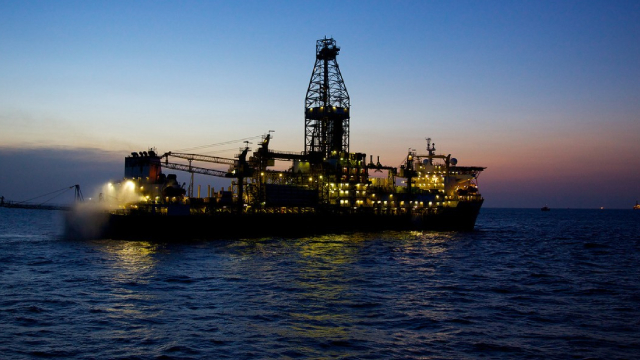
Bear of the Day: Halliburton (HAL)
North America is expected to be softer in 2025.
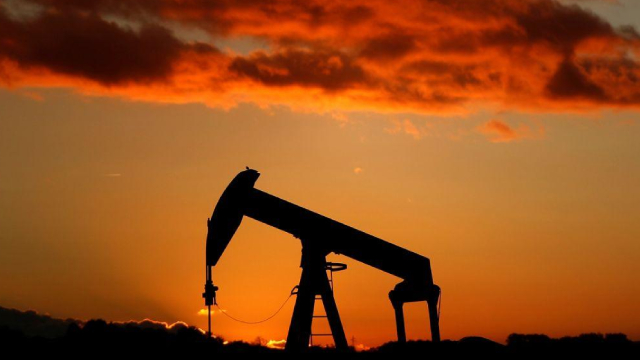
Halliburton: Tough Year Ahead
While oil and gas prices remain fairly stable, upstream activity levels appear to have peaked, particularly in North America. Weak demand growth and solid supply growth likely mean that this situation will persist, unless economic conditions soften. As a result, Halliburton's revenue and margins are likely to remain under pressure, making the company's seemingly low P/E ratio somewhat irrelevant.
What's Next For Halliburton's Stock Post Mixed Q4 Results?
Halliburton (NYSE: HAL) released its fourth-quarter earnings report on January 22nd, posting a mixed set of results, and is down 5.6% since then (as of Jan 23.) at nearly $28 per share.

Halliburton Reports In-Line Q4 Earnings Amid North America Slowdown
HAL generated $1.5 billion of cash flow from operations in the fourth quarter, leading to a free cash flow of $1.1 billion.
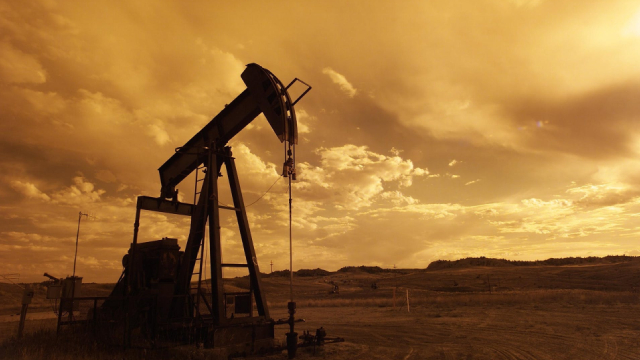
Halliburton's Soft Revenue Lags Estimates, Goldman Sachs Analyst Seeks Clarity On 2025 Activities
Halliburton Company HAL shares are trading lower on Wednesday.



