



PepsiCo, Inc. (PEP)









PepsiCo cuts earnings forecast as it predicts 'uncertainty' in tariffs, consumer spending
PepsiCo's earnings missed Wall Street's estimates, but its quarterly revenue topped projections. The food and beverage giant also cut its forecast for its core constant currency earnings per share, citing new tariffs, economic volatility and a more cautious consumer.
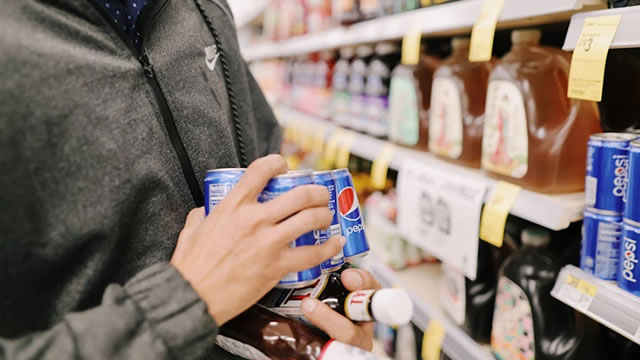
PepsiCo Pre-Q1 Earnings Signal Soft Performance: Hold Tight or Let Go?
PEP's Q1 results are expected to reflect persistent weakness in North America and QFNA segments, along with challenges from broader market volatility.
The Trump Tariffs Are Tilting the Scales in the Coke vs. Pepsi Battle
PepsiCo, unlike Coca-Cola, makes nearly all of the concentrate for its U.S. sodas in Ireland.
Insights Into PepsiCo (PEP) Q1: Wall Street Projections for Key Metrics
Besides Wall Street's top -and-bottom-line estimates for PepsiCo (PEP), review projections for some of its key metrics to gain a deeper understanding of how the company might have fared during the quarter ended March 2025.

Is Trending Stock PepsiCo, Inc. (PEP) a Buy Now?
Recently, Zacks.com users have been paying close attention to PepsiCo (PEP). This makes it worthwhile to examine what the stock has in store.
Analysts Estimate PepsiCo (PEP) to Report a Decline in Earnings: What to Look Out for
PepsiCo (PEP) doesn't possess the right combination of the two key ingredients for a likely earnings beat in its upcoming report. Get prepared with the key expectations.
PepsiCo: Decreasing Sales Volumes Are A Short-Term Trend
PepsiCo is a dividend king with a 52-year track record of increases, making it a strong long-term investment despite recent underperformance. The company's revenue growth is driven by retail price hikes due to inflation, not increased sales volumes, raising concerns about future growth sustainability. PEP's high debt levels are manageable but limit the company's ability to return value to investors through share repurchases and dividends.
Coca-Cola Vs PepsiCo: Which Consumer Giant is Built for the Future?
KO leads with high margins and global beverage power; PEP blends drinks and snacks for balanced growth. Find out which beverage titan shows promise.
PepsiCo: A Refreshing Future
PepsiCo's diversified portfolio, including snacks and beverages, provides resilience against market changes and declining soft drink consumption, making it an attractive investment. Despite mixed financials and volume declines in North America, PepsiCo's strong international growth and cost savings have driven profitability. PepsiCo's strategic acquisition of Poppi and focus on healthier products align with shifting consumer preferences towards health-conscious choices.
Why PepsiCo Stock Tanked Today
On Tuesday, PepsiCo (PEP -2.69%) didn't provide much of a sugary, caffeinated buzz for its shareholders. It wasn't directly the company's fault, as the key reason for the dip was an analyst's recommendation downgrade.
PepsiCo Q1 Preview: This Isn't The Time To Chase PEP's Dividend
PepsiCo's 3.75% dividend yield looks attractive, but deeper analysis reveals weak payout metrics and high debt, suggesting caution. Despite a 52-year history of dividend growth, PepsiCo's valuation remains high, with a forward P/E 12% above the sector median. Analysts have issued multiple downward EPS and revenue revisions, signaling potential underperformance in upcoming earnings.
PepsiCo's Valuation Hasn't Been This Low In A Decade - Time To Buy
Uncertainty from US trade tensions and political factors disrupt the market; PepsiCo offers safety with a 3.75% dividend yield. Despite challenges like inflation, GLP-1 drugs, and government scrutiny, PepsiCo's diversified portfolio and global presence make it resilient. PepsiCo's decade-low valuation at a P/E of 17x presents a rare buying opportunity.



