



Rio Tinto Plc Sponsored ADR (RIO)





RIO Boosts Copper Innovation With First Copper Output Using Nuton Tech
Rio Tinto debuts its first copper output from Johnson Camp using Nuton tech, delivering cleaner, faster production and aiming for the lowest U.S. copper footprint.
Are You Looking for a Top Momentum Pick? Why Rio Tinto (RIO) is a Great Choice
Does Rio Tinto (RIO) have what it takes to be a top stock pick for momentum investors? Let's find out.
Are Investors Undervaluing Rio Tinto (RIO) Right Now?
Here at Zacks, our focus is on the proven Zacks Rank system, which emphasizes earnings estimates and estimate revisions to find great stocks. Nevertheless, we are always paying attention to the latest value, growth, and momentum trends to underscore strong picks.

Rio Tinto signals stronger growth and capital discipline through to 2030, says Citi
Rio Tinto Ltd (LSE:RIO, ASX:RIO, OTC:RTNTF) has outlined a more optimistic growth and capital expenditure outlook to 2030, with upgraded production guidance for key commodities and a commitment to shareholder returns, according to a note from Citi. Following the miner's Capital Markets Day, the American bank said Rio Tinto is now guiding for stronger volumes in copper, bauxite, aluminium and lithium in 2025 and 2026, with full-year production estimates coming in ahead of the bank's previous forecasts.

Rio Tinto Group (RIO) Analyst/Investor Day Transcript
Rio Tinto Group (RIO) Analyst/Investor Day Transcript
Gunnison Copper reports first copper output using Rio Tinto's Nuton technology
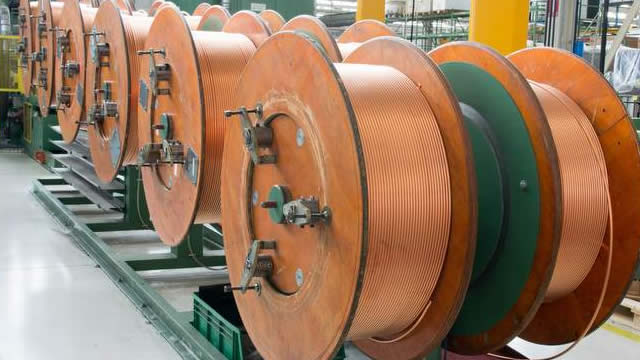
Gunnison Copper Corp (TSX:GCU, OTCQB:GCUMF) announced that Rio Tinto Ltd (LSE:RIO, ASX:RIO, OTC:RTNTF) has produced the first copper from the Johnson Camp mine in Arizona using its Nuton bioleaching technology, marking the initial commercial-scale output from the process. The first copper cathode was produced last month following more than three decades of research and development, according to the companies, Gunnison said on Thursday.
Rio Tinto sets out plan to ‘sharpen and simplify' as it targets industry-leading returns
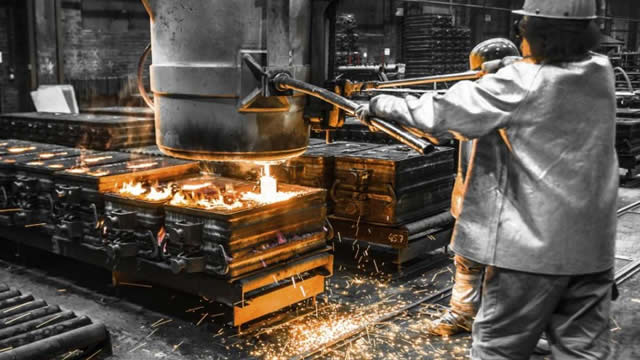
Rio Tinto Ltd (LSE:RIO, ASX:RIO, OTC:RTNTF) has told investors it is entering a “new chapter”, promising tighter discipline, stronger productivity and a simpler structure as it seeks to deliver what it calls industry-leading returns. At its Capital Markets Day, the miner said it would streamline itself around three core businesses (iron ore, copper and aluminium and lithium) with a focus on safety, reliability and “best in class” knowledge of its ore bodies.
Rio Tinto's New CEO Targets Cost Cuts
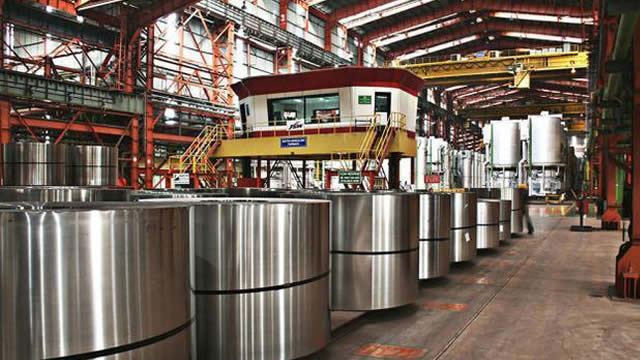
Simon Trott also intends to scale back capital expenditures in the medium term to an expected less than $10 billion from 2028, compared to the $11 billion expected over 2025.
Brokers Suggest Investing in Rio Tinto (RIO): Read This Before Placing a Bet
Investors often turn to recommendations made by Wall Street analysts before making a Buy, Sell, or Hold decision about a stock. While media reports about rating changes by these brokerage-firm employed (or sell-side) analysts often affect a stock's price, do they really matter?
Rio Tinto target clipped as broker doubts Simandou project delivery
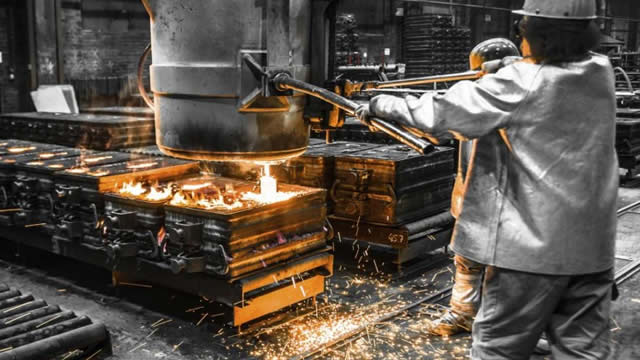
Analysts at RBC have taken a dim view of Rio Tinto Ltd's (LSE:RIO, ASX:RIO, OTC:RTNTF) intended timeline for bringing its Simandou project online. RBC trimmed its targets for Rio, warning that the mining major's planned 30-month ramp-up at Simandou is unlikely to be achieved.

RIO vs. VALE: Which Global Mining Powerhouse is the Better Buy Now?
Rio Tinto and Vale battle for upside as iron ore output, energy-transition metals growth and earnings outlooks diverge.
Rio Tinto: Primed To Benefit From The Growth In AI Infrastructure
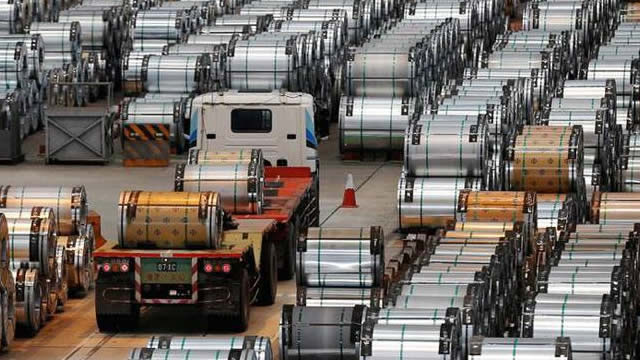
Rio Tinto is well-positioned to benefit from AI-driven demand for metals like copper and aluminium, despite not being priced as an AI stock. RIO's strong 2025 performance includes significant EBITDA growth in aluminium (50%) and copper (69%), reflecting rising demand and higher prices for these metals. The company remains financially robust, but investors should be aware of risks from commodity price swings and operational disruptions, such as weather-related impacts on iron ore.



