



Target Corporation (TGT)









Target and Best Buy said they'll raise prices due to Trump tariffs. These other companies could be next
Target and Best Buy, two of the country's largest retail chains, warned their prices will increase after President Donald Trump's 25% tariffs on goods from Mexico and Canada went into effect on Tuesday, sending the stock market plunging more than 650 points and shooting shock waves through the financial system. Adding fuel to the fire, Trump also said he would double tariffs on all Chinese imports from 10% to 20%.

Tariffs Cast A Shadow Over Best Buy, Target: Could This Be A Buying Opportunity?
Just as Best Buy Co Inc BBY and Target Corp TGT gear up for a turnaround, tariffs are threatening to spoil the party.
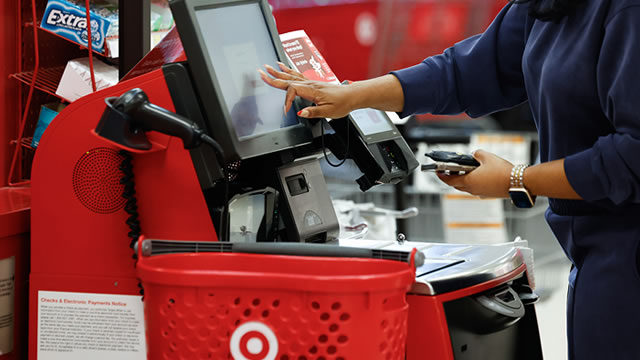
Target Unveils Major Growth Plan With New Products and AI Integration
TGT's strategy focuses on innovation, digital expansion and customer experience to drive growth and strengthen its market position by fiscal 2030.
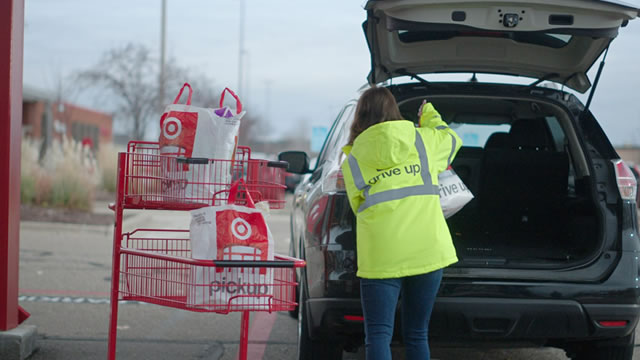
Are Target Boycotts Starting To Take Their Toll?
Target just reported fourth quarter net sales declined 3% and warned that February topline performance was “soft,” after civil rights leaders called for a Target boycott in Black History Month for changing its position on DEI, followed by a sharp drop in traffic to Target stores and website during the Feb. 28 Economic Blackout.
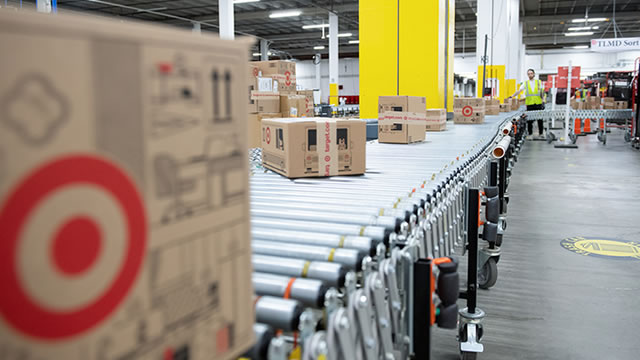
Target beats Q4 expectations but braces for impacts from tariffs
Sales and profits slipped for Target during the crucial holiday quarter as customers held back on spending and the company said there will be “meaningful pressure” on its profits to start the year because of tariffs and other costs.The retailer beat most estimates, however, and shares rose slightly before the opening bell Tuesday.Target reported net income of $1.1 billion, or $2.41 per share, far better than the $2.26 that Wall Street was expecting, according to a survey by FactSet. That is down from the $1.38 billion profit the company reported in the same period last year, though the most recent quarter had one fewer week of sales.Revenue fell to $30.91 billion, from $31.9 billion, but that also beat expectations.Americans have been pulling back on spending and retailers face a lot of uncertainty in the year ahead.President Donald Trump's long-threatened tariffs against Canada and Mexico went into effect Tuesday, pushing markets in Asia, Europe, and the U.S. lower, and setting up costly retaliations by the United States' North American allies, not to mention China.China said Tuesday that it will impose additional tariffs of up to 15% on imports of key U.S. farm products, including chicken, pork, soy, and beef, and also expanded controls on doing business with key U.S. companies.Consumers have already been pulling back on discretionary spending because the costs of groceries have risen so sharply.
Target Aims for $15 Billion Revenue Boost, Focuses on Digital and In-Store Experience
With cautious consumers making forecasting more difficult, Target on Tuesday (March 4) announced a plan to increase revenue by $15 billion over the next five years, a goal that underscores the company's strategic push to deepen customer engagement through its physical stores and digital platforms.

Nvidia: My Price Target 'Triggered', So I've Started To Buy The Dip (Upgrade)
I finally started buying Nvidia Corporation outside my index replicator strategies after a significant pull-back, buying shares at $112. The logic uses a PEG ratio model, capping growth assumptions at 25%, this jives with Peter Lynch's valuation principles. I'm strongly bullish on large language models and believe they will soon be used by the public through every IOT device and eventually robotics.
Target waves a red flag for retailers everywhere
Consumer confidence isn't the only headwind facing the retailer. Transcript: Kelsey Barberio: Target has now thrown up yet another red flag when it comes to the state of the U.S. consumer.
Target Beats on Q4 Earnings, Issues Cautious View on Tariff Concerns
Target experiences a 2.1% increase in traffic during the fourth quarter, though the average transaction amount declines 0.6%.

Target, Best Buy CEOs warn of price increases as tariffs take effect
The heads of major retail companies are warning that their profits could be impacted by tariffs and that prices could rise, some as soon as this week.
Target Q4 Beats Expectations, Analysts See Profit Pressure Ahead
Shares of Target Corp TGT were trading lower on Tuesday, after the company reported its fourth-quarter results.
Target to expand online marketplace, boost product assortment as it aims for $15 billion in sales growth by 2030
Target hosted a financial meeting with investors and analysts in New York City after issuing fiscal 2024 fourth quarter earnings. The company plans to boost its online marketplace and product assortment to drive $15 billion in sales growth by 2030.



