



Gladstone Land Corporation (3L4)
 XSTU
XSTU 
Summary
3L4 Chart
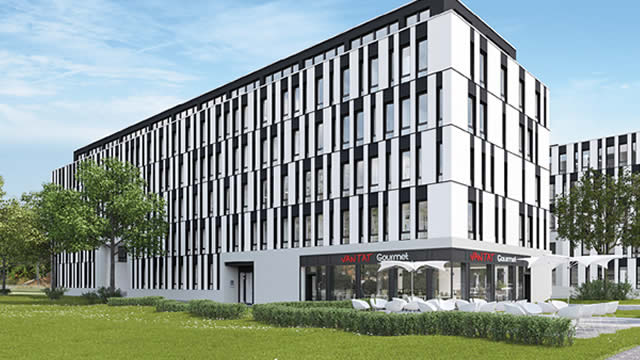
Panmure Liberum keeps 'buy' rating on Landsec after Metrocentre acquisition
Panmure Liberum has maintained its 'buy' rating on Land Securities Group PLC (LSE:LAND), the property investment company, with a target price of 710p, after the company agreed to acquire the Metrocentre shopping centre in Gateshead. Landsec has exchanged contracts to buy 100% of Metrocentre for £516 million in net cash consideration, funded through a roughly £500 million equity raise and existing debt facilities.
Gladstone Land: Still Opportunity To Buy The Farmland Niche For Selective Diversification
Gladstone Land Corp. remains a unique farmland REIT, offering monthly dividends and exposure to a niche real estate class. Despite underperforming major benchmarks YTD, LAND demonstrated resilience during market downturns, supporting its durability in stressed environments. Favorable macro trends—rising global population and declining arable land—set up a positive supply/demand dynamic for LAND's portfolio.

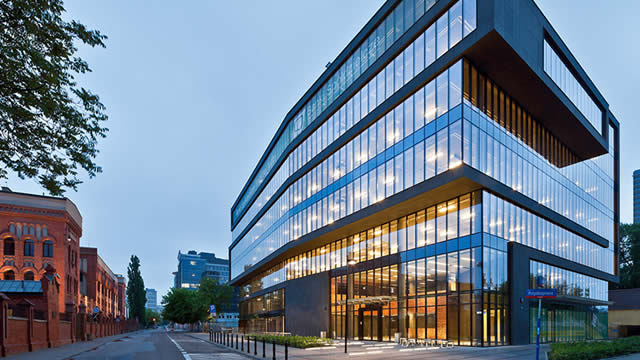
Landsec sells 123 Victoria Street office for £211 million
Land Securities Group PLC (LSE:LAND) has agreed the £211 million sale of 123 Victoria Street in London as it continues to recycle capital out of offices and into assets offering stronger income growth. The 245,000-square-foot property is being sold to SevenCitiesLdn, on behalf of Seven Capital PLC, in an unconditional transaction.
Gladstone Land Corporation (3L4) FAQ
What is the stock price today?
On which exchange is it traded?
What is its stock symbol?
Does it pay dividends? What is the current yield?
What is its market cap?
Has Gladstone Land Corporation ever had a stock split?
Gladstone Land Corporation Profile
| Industrial REITs Industry | Real Estate Sector | David John Gladstone CEO | XSTU Exchange | US3765491010 ISIN |
| US Country | 75 Employees | 21 Dec 2026 Last Dividend | - Last Split | 29 Jan 2013 IPO Date |
Overview
Founded in 1997, Gladstone Land is a prominent figure in the agricultural industry, operating as a publicly traded real estate investment trust focused on agricultural land. The company primarily engages in acquiring and owning farmland and farm-related properties across major agricultural markets within the United States. These properties are then leased to unrelated third-party farmers who are responsible for the cultivation of the land. Gladstone Land distinguishes itself by regularly reporting the aggregate fair value of its farmland holdings on a quarterly basis. As of the latest figures, Gladstone Land has amassed an impressive portfolio comprising 169 farms, covering approximately 116,000 acres in 15 different states, alongside more than 45,000 acre-feet of banked water in California. The total valuation of these assets stands at approximately $1.6 billion. A significant portion of Gladstone Land’s holdings are dedicated to the growth of fresh produce and annual row crops, such as berries and vegetables, alongside farms cultivating permanent crops including almonds, apples, and pistachios, among others. Reflecting a commitment to sustainability, about 40% of its fresh produce acreage is certified organic or in the process of certification, with over 10% of its permanent crop acreage also meeting these criteria. Additionally, Gladstone Land places importance on investor returns, evidenced by its consistent monthly distributions to stockholders since its initial public offering in January 2013.
Products and Services
- Farmland and Farm-related Property Acquisition and Ownership
Gladstone Land’s core business revolves around the strategic acquisition and ownership of farmland and farm-related properties across the U.S. This includes a diverse portfolio of land dedicated to the cultivation of both fresh produce annual row crops and permanent crops. The company enhances value through leasing these assets to skilled third-party farmers.
- Leasing Services
Leasing its agricultural properties to unrelated third-party farmers, Gladstone Land enables the cultivation of a variety of crops, from berries and vegetables to permanent crops like nuts and fruits. These leasing arrangements are designed to ensure that the lands are utilized efficiently, contributing to the agricultural output while ensuring a steady income stream for the company.
- Real-time Property Value Reporting
Gladstone Land sets itself apart by providing transparent, quarterly reports on the aggregate fair value of its farmland holdings. This practice ensures that investors are well-informed about the company’s asset value, bolstering investor confidence and transparency in reporting.
- Sustainability Initiatives
Approximately 40% of Gladstone Land’s fresh produce acreage is certified organic or in transition to organic, with a significant portion of its permanent crop acreage also adhering to these standards. These initiatives highlight the company’s dedication to sustainable farming practices and environmental stewardship.
- Investor Distributions
Since its IPO in January 2013, Gladstone Land has demonstrated a robust commitment to returning value to its investors through regular monthly distributions. The company has maintained 129 consecutive monthly cash distributions on its common stock, with ongoing increases over time to enhance shareholder yield.
Contact Information




