







Summary
9WY Chart
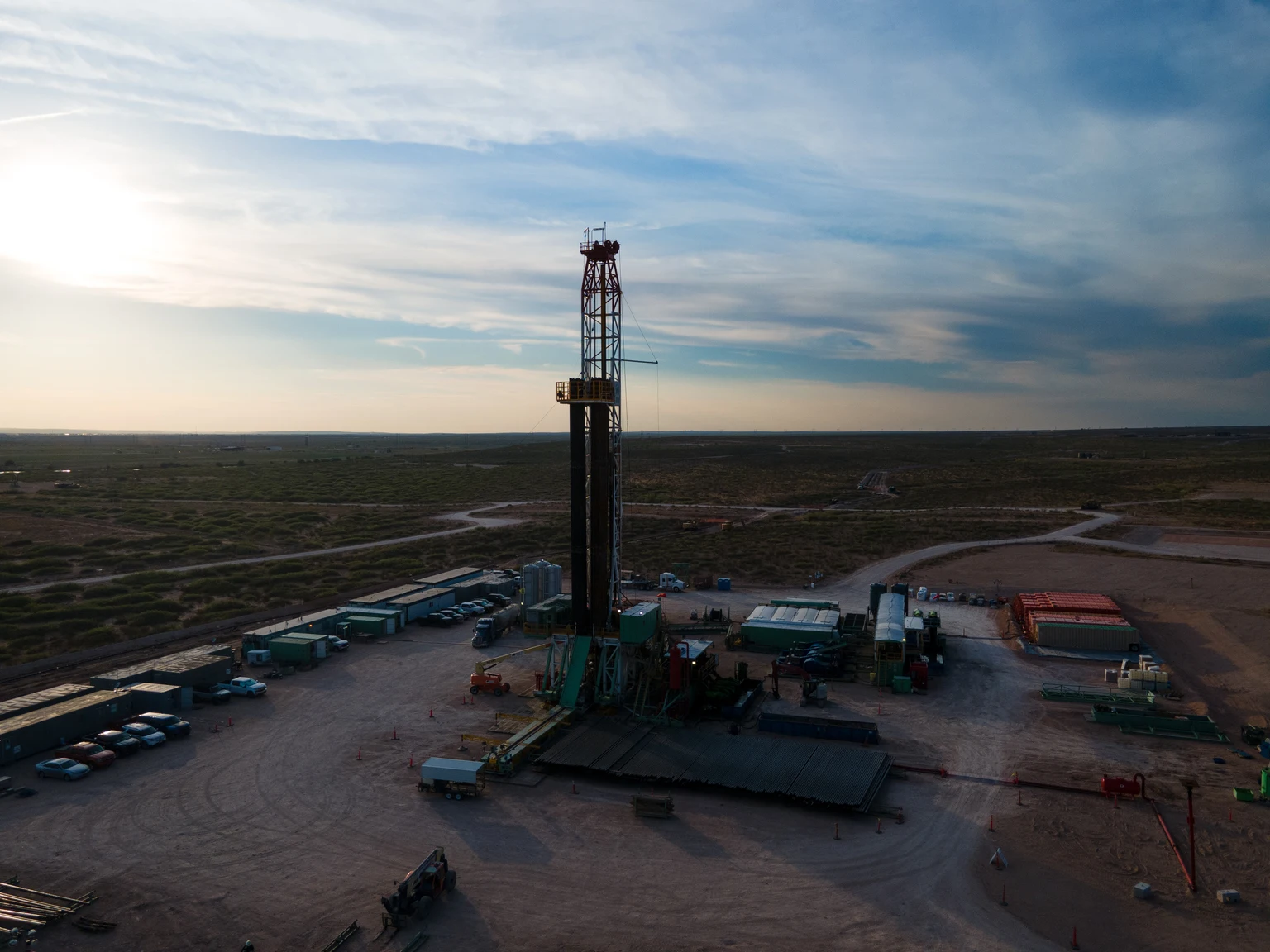
Hold The Horses On Texas Pacific Land
Texas Pacific Land (TPL) leverages vast Permian Basin landholdings, generating revenue from oil royalties, land management, and expanding water services. TPL's asset-light model yields high profitability and free cash flow, but current valuation metrics show a premium far above industry peers. Growth in water services and potential renewable energy leasing offer future upside, though Permian oil production growth is slowing.
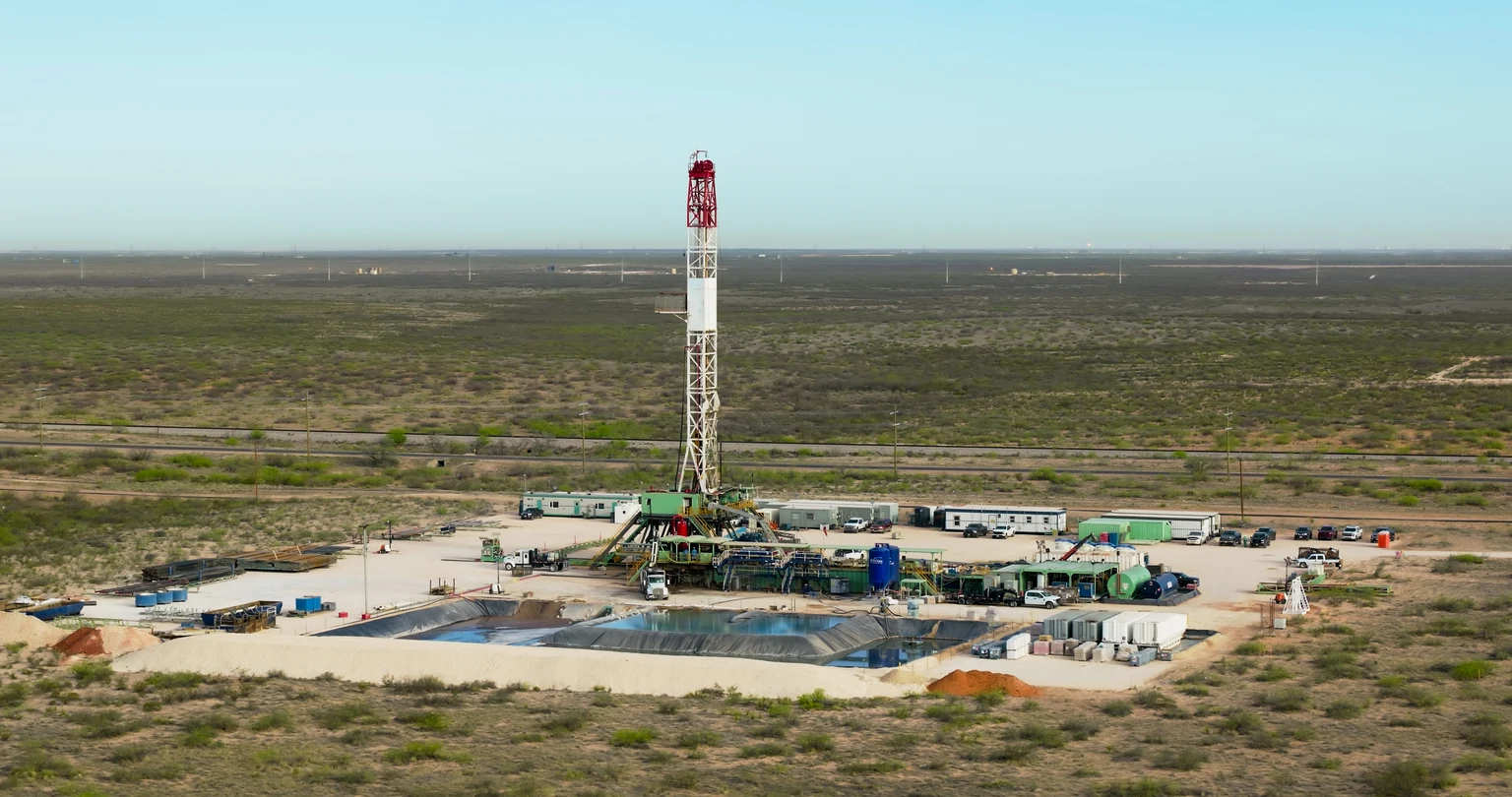
Texas Pacific Land: Premium Justified, Buy This Ideal Royalty Play
Texas Pacific Land owns more than 880,000 acres in the Permian, securing steady royalty income regardless of who operates production. Its asset-light model allows EBITDA margin above 85% and net margin above 70%, with no meaningful debt. Beyond royalties, it builds value from surface leases (pipelines, infrastructure, data centers) that generate recurring income.

This Market Is Clueless: Why I'm Still All In On Texas Pacific
Texas Pacific Land just delivered a stellar quarter, with revenue and water royalties rising despite lower oil prices and drilling activity. TPL's unique landowner model, zero debt, and sky-high margins make it resilient, efficient, and positioned for long-term growth in the Permian Basin. Water management is a massive growth opportunity, with TPL benefiting from disposal, reuse, and new technologies as water demand surges.
Texas Pacific Land Corporation (9WY) FAQ
What is the stock price today?
On which exchange is it traded?
What is its stock symbol?
Does it pay dividends? What is the current yield?
What is its market cap?
When is the next earnings date?
Has Texas Pacific Land Corporation ever had a stock split?
Texas Pacific Land Corporation Profile
| - Industry | - Sector | Tyler Glover CEO | XDUS Exchange | US88262P1021 ISIN |
| US Country | 111 Employees | 1 Dec 2025 Last Dividend | 23 Dec 2025 Last Split | 31 Dec 1987 IPO Date |
Overview
Texas Pacific Land Corporation is a multifaceted company engaged in the management of land and natural resources, along with offering a suite of water services and operations. Founded in 1888, the company oversees the management of approximately 880,000 acres of land predominantly located in the western part of Texas. Its operations span a range of activities, including managing nonparticipating perpetual oil and gas royalty interests (NPRI), engaging in easements and commercial leases, and providing comprehensive water services to operators in the Permian Basin. With its headquarters in Dallas, Texas, Texas Pacific Land Corporation has cemented its role as a key player in land and resource management as well as water services in one of the most significant oil-producing regions in the United States.
Products and Services
Land and Resource Management:
- Oil and Gas Royalties: The company owns varying degrees of nonparticipating perpetual oil and gas royalty interests across different parcels of land in Texas. This includes a 1/128th NPRI under approximately 85,000 acres, a 1/16th NPRI under approximately 371,000 acres, alongside approximately 4,000 additional net royalty acres.
- Easements and Leases: Engages in granting easements and commercial leases for various purposes including oil, gas, and related hydrocarbons, as well as power line and utility easements, and subsurface wellbore easements. The company also leases land for processing, storage, and compression facilities and roads.
- Material Sales: Involves the sale of natural resources and materials extracted from its managed lands, such as caliche, contributing to the construction and maintenance of infrastructure.
Water Services and Operations:
- Water Sourcing and Disposal: Provides comprehensive water services that range from water sourcing, produced-water gathering and treatment, to disposal solutions specifically catered to the needs of operators within the Permian Basin. The approach ensures a sustainable management and utilization of water resources in oil production activities.
- Infrastructure Development: Works on the development of essential infrastructure required for water sourcing, including gathering systems and disposal facilities, ensuring efficient water management and distribution for oil production.
- Water Tracking and Analytics: Offers advanced water tracking and analytics services, designed to optimize the management and use of water in the oil production process by leveraging technology to monitor and analyze water usage and quality.
- Well Testing Services: Provides well testing services to evaluate the performance and water requirements of oil wells, ensuring that extraction processes are both efficient and environmentally sustainable.
- Water Royalties: Holds royalties for water sourced from its lands, creating an additional revenue stream from the utilization of natural water resources present in its managed properties.
Contact Information



