



BYD Co. Ltd. (BYDDF)
 OTC PINK OTC PINK Primary
2 Stock Split Stocks to Buy in July
Stocks that have recently been split are bound to experience an inflow of new, smaller retail investors who may find the freshly-lowered share prices more practical.

3 Warren Buffett Dividend Stocks to Buy Right Now With $1000
If any investor has stood the test of time, it is Warren Buffett, and with good reason.

EV Wars: Who's The Winner?
BYD stands out as the best investment due to its scale, profitability, integrated supply chain, and strong growth outpacing the broader EV market. XPeng's explosive delivery growth highlights strong consumer appeal, but lack of profitability makes it vulnerable in the ongoing price war. Xiaomi's rapid entry and scale in EVs, backed by its profitable electronics business, make it a compelling growth story if execution remains strong.
These Charlie Munger Favorites Are Still Worth Owning in 2025
The late great Charlie Munger really played a huge role in shaping Warren Buffett's investment philosophy over the decades.
China EV price war flags possible financial stress in domestic auto industry
CNBC's Eunice Yoon takes a look at the implications of the EV price war in China's auto showrooms and BYD's role in the race to the bottom.
These 3 Millionaire-Maker Stocks Are Worth Buying in May 2025
Millionaire status is where most investors eventually want to get to. And it's possible for anyone really, even with modest amounts invested on a very consistent basis (without pulling funds out over time, as has become increasingly commonplace among millions of households lately).

Crisis And Opportunity In Auto Makers
The auto industry is in distress but not extreme distress; stable companies with low valuations like Toyota, Honda, and Li Auto are likely to outperform. Despite recent selloffs, markets remain richly priced; value investing may now have a chance to redeem itself, especially in distressed industries. Established automakers face declining margins and sales, while newer EV manufacturers see rising sales but flat or negative profits.

A $10,000 Investment In These 3 Stocks Could Be Worth More than $100,000 In 5 Years
Finding stocks that could potentially 10x in value is sort of like chasing the rainbow to find the pot of gold at the end.
President Trump announces 25% auto tariff: 'Business is coming back'
President Donald Trump says his executive order over auto tariffs will lead to 'tremendous growth' at a press conference.
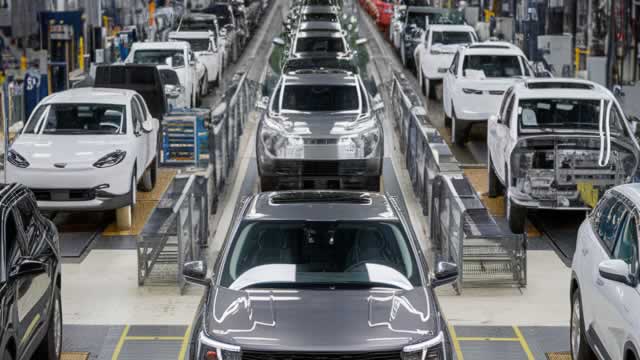
Trump Announces 25% Tariff on Auto Imports
"This is the beginning of Liberation Day in America," President Donald Trump says before signing an order to implement a 25% tariff on auto imports, which will go into effect on April 2.
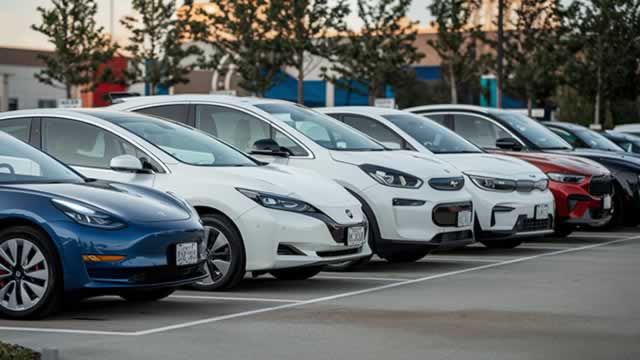
Trump says US will charge 25% tariff on all cars not made in the US
U.S. President Donald Trump said on Wednesday the United States will effectively charge a 25% tariff on all cars not made in the country.
Donald Trump announces new 25% tariffs on cars from overseas
President made announcement days before he is expected to unveil reciprocal tariffs on other imported goods



