













Delta Expects 2025 Capacity Growth of Up to 4%. The Stock Is Trading Lower.
The carrier issues guidance ahead of its investor day.

Delta forecasts more sales growth in 2025 thanks to high-end demand, 'resilient economy'
Delta Air Lines forecast revenue growth in the mid-single digit percentage points next year, in line with analysts estimates. The carrier expects to expand capacity by no more than 4% year-over-year in 2025.
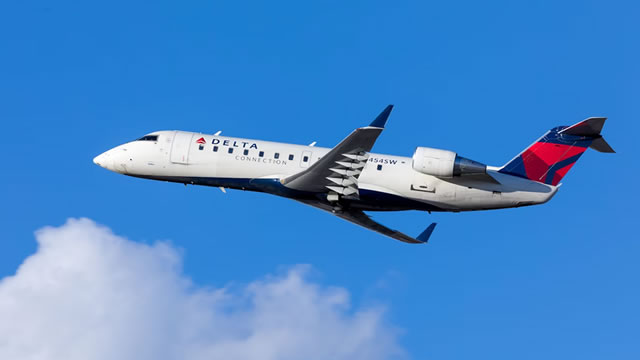
Delta Air Lines: Trump Presidency Is Bullish
Delta Air Lines shares surged 36.26% since September, driven by expectations of lower oil prices and a favorable regulatory environment under Trump's administration. Lower oil prices, due to potential deregulation, could significantly reduce Delta's largest variable expense, jet fuel, boosting profitability. Delta's forward P/E ratio remains undervalued despite strong revenue and EPS growth projections, suggesting substantial upside potential.

Delta Air Lines: Just The Start
Delta Air Lines is finally trading above pre-Covid levels, overcoming the July IT outage. Cruise lines and other industrial transport stocks still trade at higher valuation multiples, suggesting the airline rally is only getting started. DAL stock trades below 9x '25 EPS targets, still offering a cheap value.
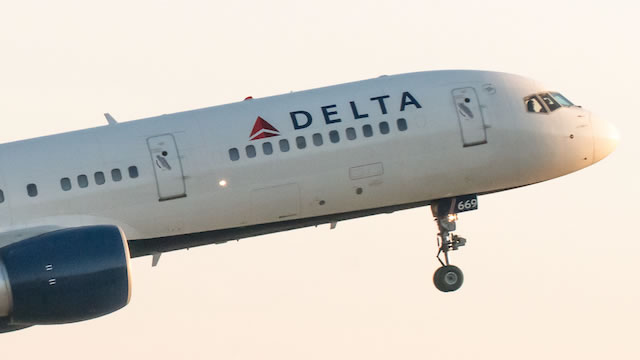
Delta Air Lines: Continued Balance Sheet Improvements May Lead To Share Buybacks
In 3Q24, Delta Air Lines generated $15.67 billion in revenues, representing a year-on-year growth of 1.22%. Net income surged by 14.80% with net margins expanding to 8.11% from 7.15%. DAL shows strong growth potential, driven by industry tailwinds, premium market focus, and balance sheet improvements, making it a compelling investment. Significant debt reduction positions DAL to potentially return capital to shareholders soon, with a Debt/EBIT ratio of 3.3x compared to United Airlines' 5.59x.

Delta Air Lines: Continued Tailwind Expected As Shares Fly High, But Key Risks Could Cause Turbulence
Delta Air Lines gets its buy rating reaffirmed, with the expectation of a smaller short-term price growth than the 60% gain since my last rating. The airline benefits from a strong macro environment of continued travel demand expected, no indicators of recession soon, and a leading position as the world's biggest airline. The stock is undervalued in several metrics, but is trading well above its moving average and at a five-year-high, posing a smaller upside potential.
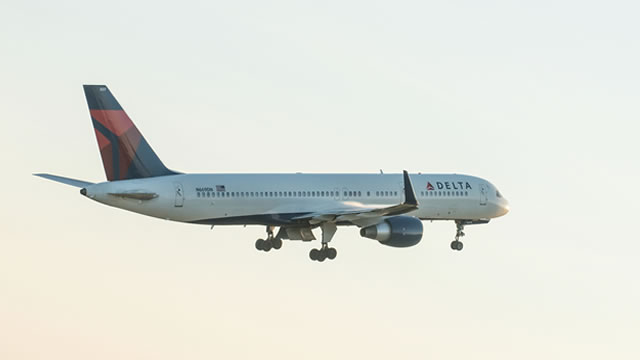
What's Happening With Delta Stock?
Delta stock (NYSE: DAL) was up 7% on Wednesday, November 6. While the broader markets rallied after the Trump victory, airline stocks at large saw an increased investor interest.

Josh Brown highlights two stocks poised for breakout: Delta Air Lines and Marriott
Josh Brown, CEO of Ritholtz Wealth Management, joins CNBC's 'Halftime Report' to discuss why he sees these two stocks breaking out.
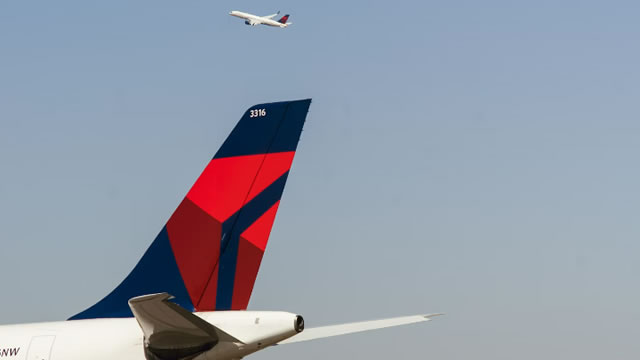
Delta Air Lines Capitalizes on Sustainability and Innovation
Delta Air Lines benefits from its robust expansion and shareholder-friendly initiatives. However, escalated operating expenses are a major concern.

How United Airlines Is Trying To Compete With Delta
United Airlines has been flying for nearly a century and has grown to be one of the biggest airlines in the world. Its stock is the best-performing of the U.S. airlines so far this year.

Delta Sues Crowdstrike Over July IT Outage That Affected Thousands Of Flights
Delta Airlines (DAL) is suing cybersecurity company Crowdstrike Inc. (CRWD) over a faulty software update in July that brought its operations to a halt and affected more than a million customers.

How United is trying to overtake Delta as the world's most profitable airline
United Airlines has been trying to expand its profits by investing heavily in roomier seats and growing a network that will excite high-spending travelers.



