








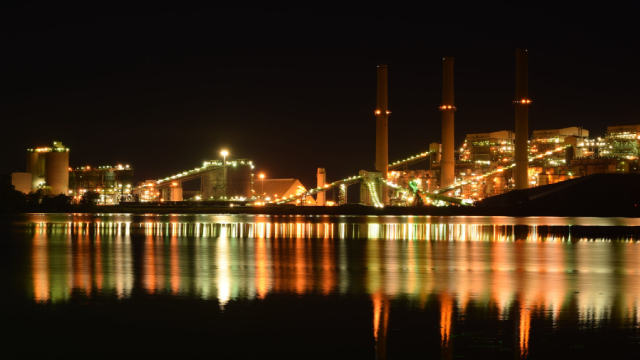
Equinor: The Norwegian Pearl Of Oil & Gas
Equinor remains an attractive value play, trading at low EV/EBITDA and P/CF multiples despite recent earnings declines. Revenue and net income have dropped year-over-year, but cash flow and dividend growth remain resilient, supporting the investment case. Increased operating expenses and CAPEX have pressured free cash flow, but valuation versus peers still points to significant upside.
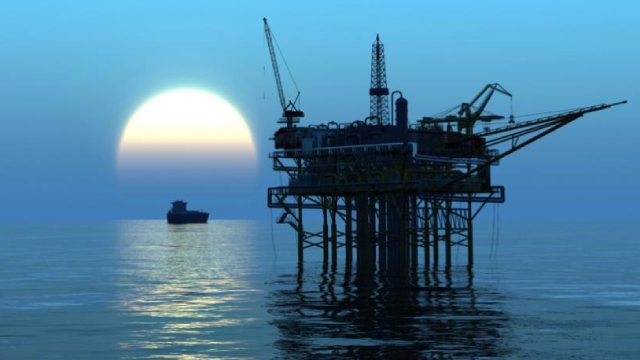
EQNR's US Wind Projects Incur $955M Impairment Over Regulatory Changes
Equinor posts $955 million impairment on U.S. wind projects, citing regulatory rollbacks, tariffs and lost tax credits.
Equinor: Earn A Double-Digit Yield
Equinor delivers strong operational performance with robust cash flow, growing oil and gas production, and accelerating renewables, despite a sub-$70 billion market cap. The company maintains a generous 12-13% capital return yield through dividends and buybacks, supported by a healthy balance sheet and significant cash reserves. Renewables are expanding rapidly but remain a small portion of revenue; oil and gas, especially natural gas, continue to drive core earnings.
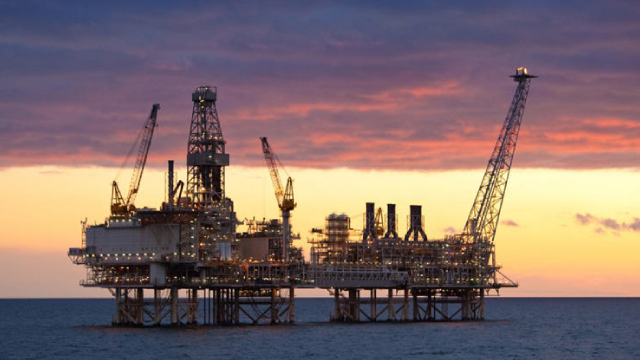
Equinor Q2 Earnings Miss Estimates on Lower Liquids Production
Lower liquids production and weaker prices hurt EQNR Q2 earnings and revenues.

Equinor Q2 core profit drops as expected on lower oil price
Equinor's second-quarter profit fell as expected, its earnings report showed on Wednesday, as declining oil prices outweighed a rise in the price of gas.
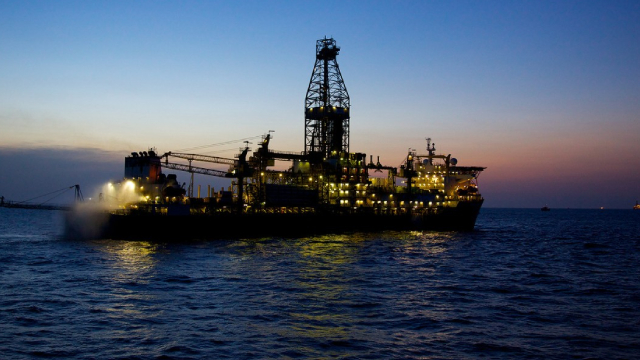
Equinor Awards North Sea Subsea Development Deal to Aker Solutions
EQNR taps Aker Solutions for its Fram Sor project, aiming to boost North Sea gas output and strengthen Europe's energy supply.

Equinor Withdraws From Australia's Bass Offshore Wind Energy Project
EQNR exits its third Australian offshore wind project, raising questions over its clean energy pullback strategy.
Equinor Approves Johan Sverdrup Field Expansion With $1.29B Investment
EQNR commits $1.29 billion to expand Johan Sverdrup, aiming to boost reserves by up to 50 million boe by leveraging existing infrastructure.
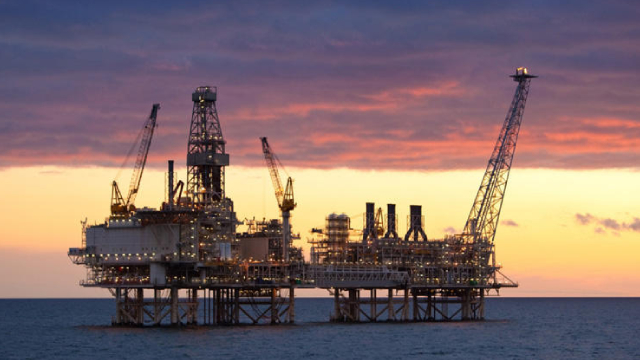
Equinor Encounters New Oil at Johan Castberg Field, Boosts Reserves
EQNR strikes oil at Johan Castberg's Drivis Tubaen prospect, potentially adding up to 15M barrels to reserves.
Equinor and partners to invest $2.1 bln in Norway oil, gas field
Operator Equinor and its partners Vaar Energi and Inpex Idemitsu will invest more than 21 billion Norwegian crowns ($2.08 billion) to develop Norway's Fram South oil and gas field, the companies said on Thursday.
Equinor's First Danish Solar Plant Begins Operations via BeGreen
BeGreen's 65MW Ingerslev A plant marks EQNR's first solar project in Denmark and a milestone in its renewables expansion.

Equinor's Johan Castberg Field Reaches New Production Milestone
EQNR hits 220,000 barrels per day at Johan Castberg just three months post-launch, lifting Barents Sea output by 150%.



