








Evercore: Full-Fledged Sponsor Return Should Still Depend On Interest Rate Cuts
M&A and other advisory performance was good, but ahead of sponsor market revenues. Nonetheless, sponsors are coming to market again with pressure from LPs. The return of private equity to the market is going to be the primary result driver, and is also the basis of expectations of further net income acceleration.

Evercore (EVR) Q2 Earnings Beat on Higher Revenues, Stock Dips
An improvement in segmental performance leads to a growth in Evercore's (EVR) revenue base, positively impacting its Q2 earnings. However, a rise in expenses pose near-term concerns.

Evercore Inc. (EVR) Q2 2024 Earnings Call Transcript
Evercore Inc. (NYSE:EVR ) Q2 2024 Earnings Conference Call July 24, 2024 8:00 AM ET Company Participants Katy Haber - Managing Director, Investor Relations & ESG John Weinberg - Chairman & Chief Executive Officer Tim LaLonde - Chief Financial Officer Conference Call Participants James Yaro - Goldman Sachs Ryan Kenny - Morgan Stanley Brennan Hawken - UBS Devin Ryan - Citizens JMP Aidan Hall - KBW Jim Mitchell - Seaport Global Brendan O'Brien - Wolfe Research Operator Good morning, and welcome to the Evercore Second Quarter 2024 Earnings Conference Call. Today's call is scheduled to last about one hour, including remarks by Evercore management and the question-and-answer session.

Evercore (EVR) Q2 Earnings: How Key Metrics Compare to Wall Street Estimates
The headline numbers for Evercore (EVR) give insight into how the company performed in the quarter ended June 2024, but it may be worthwhile to compare some of its key metrics to Wall Street estimates and the year-ago actuals.

Evercore (EVR) Tops Q2 Earnings and Revenue Estimates
Evercore (EVR) came out with quarterly earnings of $1.81 per share, beating the Zacks Consensus Estimate of $1.66 per share. This compares to earnings of $0.96 per share a year ago.

Evercore (EVR) Earnings Expected to Grow: Should You Buy?
Evercore (EVR) doesn't possess the right combination of the two key ingredients for a likely earnings beat in its upcoming report. Get prepared with the key expectations.

Evercore Warns That Nvidia Stock Is No Longer an S&P 500 ‘Linchpin'
Nvidia (NASDAQ: NVDA ) stock is in the news Thursday after Evercore warned its clients that the tech company's shares are no longer a “linchpin” for the S&P 500. Evercore points to the performance of the S&P 500 following Nvidia's Q1 earnings report earlier this week.

Why Is Evercore (EVR) Up 9% Since Last Earnings Report?
Evercore (EVR) reported earnings 30 days ago. What's next for the stock?
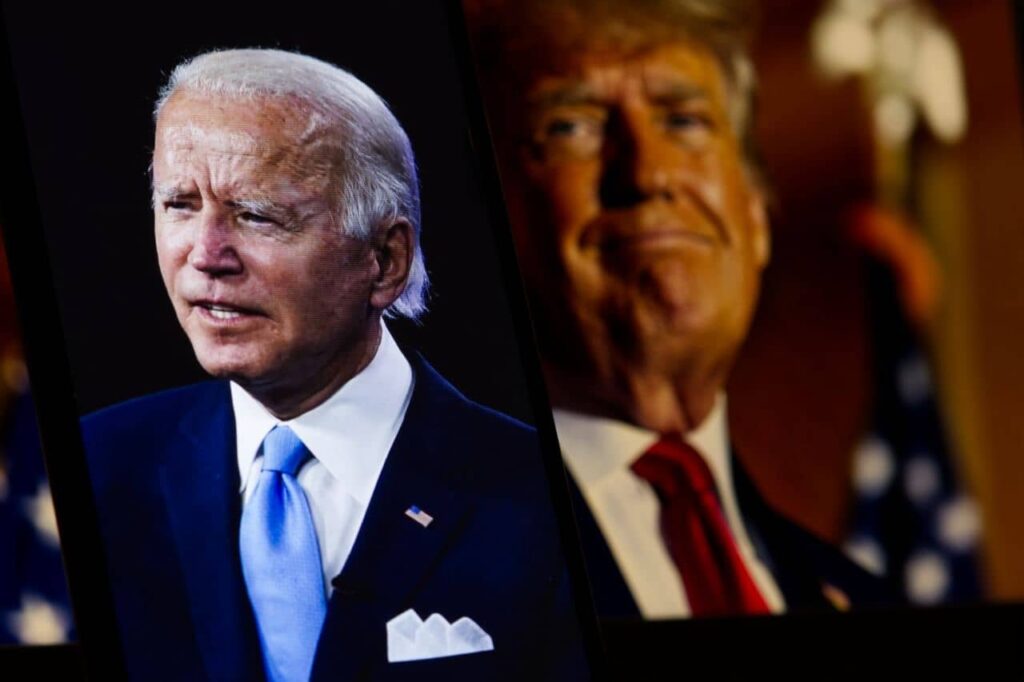
Biden vs Trump: Who will drop interest rates faster
Two topics have dominated the discussion on the U.S. economy for several years: inflation and interest rates. Indeed, the seemingly ceaseless march of significant interest rate hikes announced following each Federal Open Market Committee (FOMC) meeting between early 2022 and mid-2023 brought forth substantial recessionary fears after managing to reduce inflation from a multi-year record of above 9%. As the fears subsided in late 2023 – and inflation significantly cooled off – experts, analysts, institutions, and investors started forecasting significant interest rate cuts throughout 2024, though these hopes have, so far, borne no fruit. Indeed, several consecutive inflation increases in the first quarter of 2024 have brought a change to the predictions – and even resurfaced talk of further interest rate hikes – and though matters remain unclear and uncertain, one upcoming event is likely to have a significant impact on fiscal policy no matter what: the November presidential elections. Given the significant differences in other areas – capital gains taxes being a particularly hot topic in recent weeks – FInbold decided to take a look at which of the two most likely candidates, Joe Biden and Donald Trump, is more likely to reduce interest rates faster. Evercore ISI has recently undertaken a research effort aiming to discover which of the likely presidential candidates is likely to start cutting interest rates faster. Perhaps surprisingly, the banking advisory firm found that a second term for President Biden is likely to lead to interest rates about 25 basis points – 0.25% – lower than a second Trump presidency. The crux of the argument boils down to tax policy – or, rather, the Tax Cuts and Jobs Act (TCJA). According to Evercore, President Biden is likely to repeal TCJA – particularly due to its reduction of corporate taxes, as well as the reduction of taxes for higher net worth individuals. Such a move would be consistent with Biden’s other proposed policies, most notably the higher maximum capital gains tax and the tax on unrealized gains of exceptionally wealthy individuals – reportedly those with a net worth higher than $100 million. Either way, the removal of TCJA would limit the disposable income available to many investors and potential investors, which would, indeed, increase the need to increase economic stimulus in other areas – such as by decreasing interest rates. On the other hand, President Trump – who signed the TCJA into law in 2017 in the first place – would be likely to extend the act which would reduce the need for lowering interest rates. Nonetheless, Evercore, in the same report, indicated that it expects the Federal Funds Rate to start falling in the second half of 2024 and ideally be between 75 and 100 basis points lower by the end of 2025. Buy stocks now with eToro – trusted and advanced investment platform Disclaimer: The content on this site should not be considered investment advice. Investing is speculative. When investing, your capital is at risk.




