









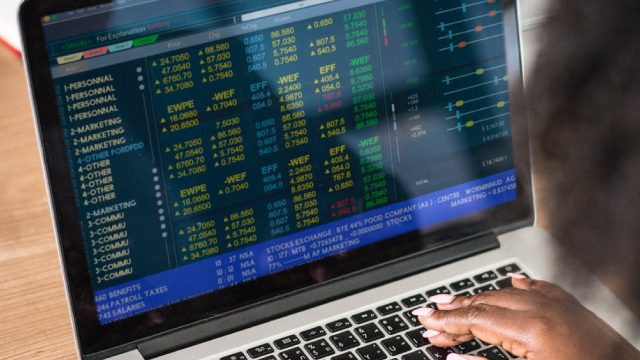
Trump's Threat on Higher China Tariffs Wipes Out Stocks' Weekly Gains
The S&P 500 and Nasdaq composite posted their steepest one-day drops in six months.
Trump Threatens to Cancel Meeting with China's Xi and Impose New Tariffs
The president raised economic retaliation after Beijing imposed new restrictions on the export of rare earth minerals, which are vital supplies for U.S. automakers and defense manufacturers.
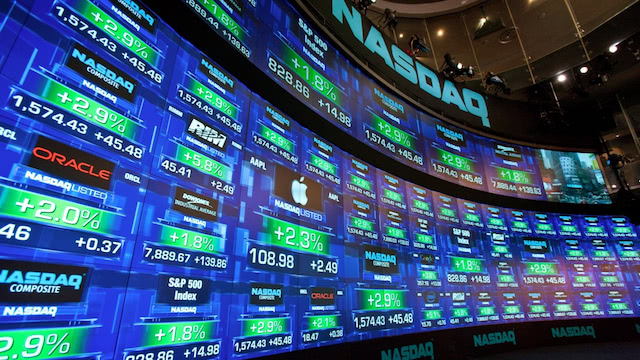
Trump suggests ‘massive increase' of tariffs on China. Here's what's behind the threat.
Trump calls off meeting with Xi in South Korea after rare-earth move.
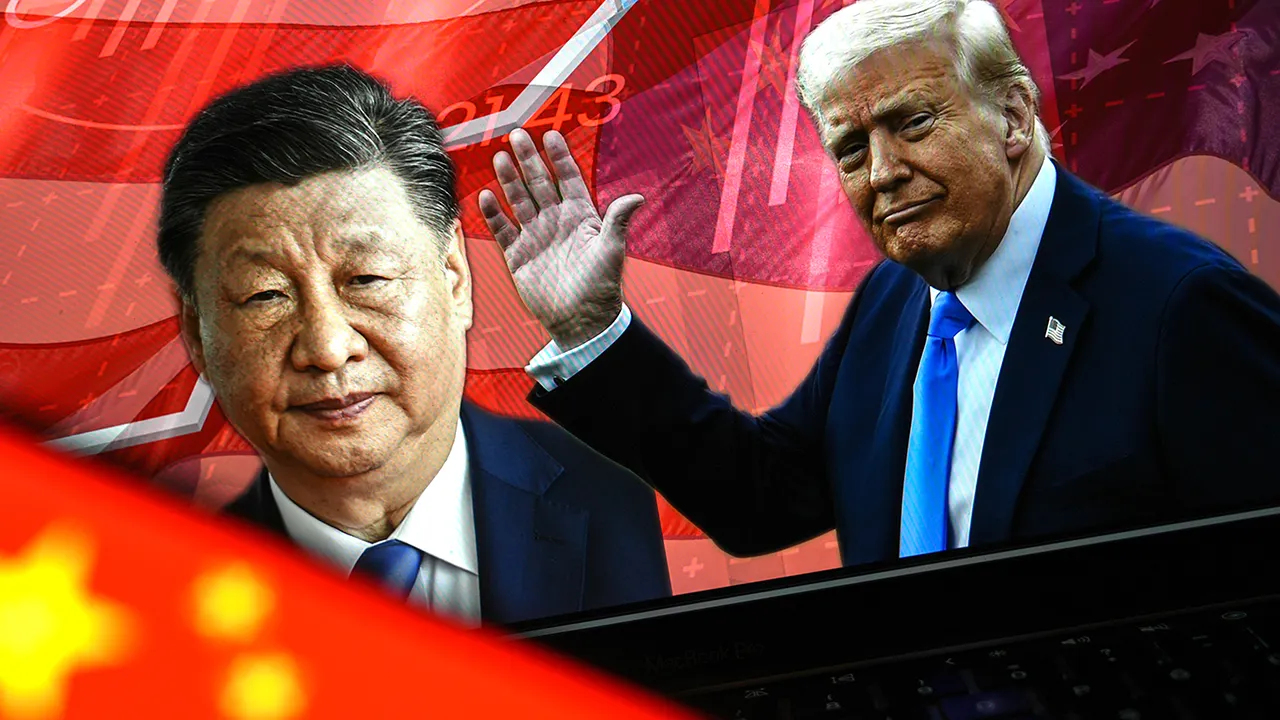
Trump's 100% tariffs will end China's grip on the US, senior counselor on trade says
The Trump administration "won't tolerate" any pressure from trade partners, as Peter Navarro explains a new set of tariffs boosts America's supply chain and national security.
China Warns Mexico Against Tariffs That Could Harm Chinese Goods
Beijing has warned Mexico to think twice before moving ahead with a plan to raise tariffs that could hurt Chinese automakers, saying it would retaliate against the measure.

Trump threatens 200% tariff on China over possible export curbs: 'They have to give us magnets'
Trump threatened 200% tariffs on China if Beijing does not export rare-earth magnets to the U.S. Trump also said that airplane parts were a key leverage that Washington has to counter Beijing's grip on rare earths.

FXI: From Strength To Strength
FXI has shown resilience and outperformance versus the S&P 500 despite ongoing trade tensions, reflecting investor confidence in Chinese large-cap equities. China's exports to the U.S. represent a small portion of its GDP, limiting the impact of tariffs, while the U.S. faces challenges replacing Chinese imports. Chinese equities, especially those in FXI, are significantly undervalued compared to U.S. counterparts, offering attractive growth at lower valuations.
FXI: Why A Bad Chinese Economy Could Be Good For China Stocks
China's GDP growth slowed to ~5%, but large-cap ETFs like FXI outperformed with strong consumer and tech sector exposure. Real estate weakness frees capital for discretionary spending, benefiting EVs, tech, and consumer brands rather than property developers. FXI's holdings avoid real estate developers largely, focusing on financials, consumer discretionary, and communication services, with minimal property exposure.

FXI: The Prospects For Chinese Stocks (Rating Upgrade)
iShares China Large-Cap ETF offers compelling value, trading at a significant discount to U.S. indices, with a bullish trend since early 2024 and strong technical momentum. Geopolitical tensions have eased, supporting a rally in Chinese stocks, while lower U.S. interest rates and Chinese stimulus policies could further boost FXI. Risks remain due to China's political system, potential policy shifts, and ongoing U.S.-China tensions, including threats of tariffs, sanctions, or delistings.

What to Expect From Trade Talks With China
US Commerce Secretary Howard Lutnick talks about what he hopes to achieve during trade talks with China next week in Stockholm. Treasury Secretary Scott Bessent will be the lead negotiator.
FXI Could Be A Better S&P 500 Diversifier Than Bonds
FXI offers pure large-cap China exposure with a unique sector mix to all-cap ETFs, providing a higher yield and lower valuation than US markets but with significant geopolitical risks. The ETF's standout feature is its low correlation to US equities and bonds, making it a valuable diversification tool in an increasingly synchronized global market. Despite some technical momentum, my primary thesis is FXI's non-correlation, not chart patterns or short-term price action, especially amid ongoing US-China tensions.
China ETFs Set to Gain on Easy Monetary Policies
China announces a series of monetary policy measures to bolster its economy. China ETFs are set to gain from the move.



