



Meta Platforms, Inc. Class A Common Stock (META)













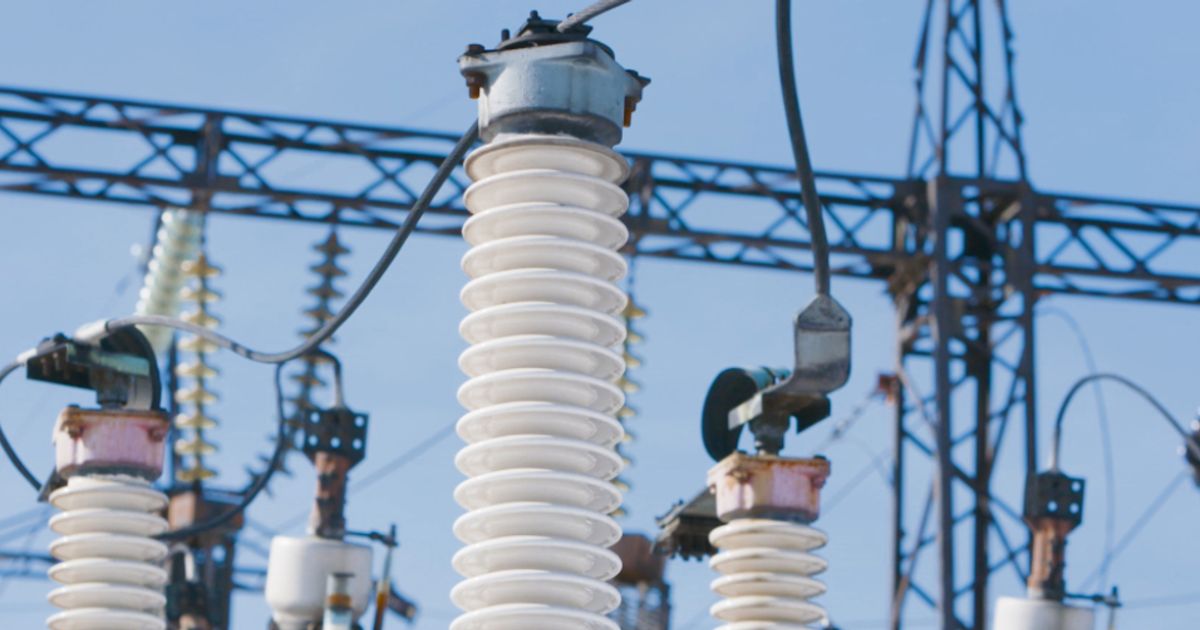
AI's great power grab continues in spite of bubble fears
Anyone who thought the surge in artificial intelligence spending might ease should look away now. UBS notes that America's big four cloud providers have unveiled yet another round of eye-watering investment plans.

Meta Platforms: Is Today's AI Cycle A Repeat Of The Metaverse Overbuild?
Meta Platforms' post-earnings selloff reflects investor concern that its accelerating AI capex cycle could mirror the metaverse bust of 2021-2022. This was exacerbated by the lack of a corresponding uplift in near-term growth guidance, while management acknowledges continued margin compression to support ongoing AI infrastructure deployments and additional technical hires. The following analysis will examine parallels between META's AI investments and its metaverse cycle to assess shared risks and how the company's positioned to mitigate the potential shortfalls.

Meta: P/E 24 Means Failure, But Success Is Possible
Meta Platforms (META) remains a Buy despite recent disappointments in AI product launches and market skepticism about increased AI spending. META's core business is stable with growing revenue and gross profit, and the profit drop was due to a one-time tax write-off. Llama's open-source adoption in B2B and integration by major cloud providers positions META as a potential central player in decentralized AI.

How Bad Can Things Get For Meta Stock?
Meta Platforms (META) stock has dropped about 16% over the past 21 trading days. This recent decline signals renewed worries regarding slowing user growth and substantial investments in artificial intelligence and reality labs, but significant drops like this often raise a more difficult question: is this weakness temporary, or an indication of deeper issues in the narrative?

Meta: The AI Roadmap Remains Underappreciated
Meta's advertising business remains incredibly strong, with improving engagement metrics and ad prices along with accelerating adoption of AI tools like Advantage+. The firm is currently in the middle of a very heavy CapEx cycle that will pressure margins over the near term but will likely improve sales in the future. The pros appear to vastly outweigh the cons for Meta, and my DCF model indicates the stock is significantly undervalued, especially following the recent sell-off.

Meta Platforms And Its Real Value
Meta Platforms demonstrates strong fundamentals, robust AI-driven growth, and exceptional long-term returns, outpacing the S&P 500 over the past decade. META's financials show high ROE, ROIC, and gross margins, with a healthy balance sheet and effective cost management supporting continued investment in AI and infrastructure. META passes all key investment criteria, making it a high-quality company worth considering for long-term investors seeking exposure to AI-driven digital platforms.

Meta's Pain May Be Your Gain: Is This a Rare Buying Window?
Shares fell by over 11% after the company released its Q3 2025 earnings report. Selling has not let up.

Meta Opens Pop-Up Stores to Build Buzz for Its AI Glasses
The stores, in New York City, Los Angeles and Las Vegas, have coffee stations and full-length mirrors for customers to take selfies in their Ray-Bans.

Are These 3 Oversold Tech Giants Ready to Rebound?
The move came just after the government shutdown ended, yet uncertainty only increased. The White House signaled that key October economic reports may be delayed or unavailable, including the CPI release that investors have been waiting for.

Investors Heavily Search Meta Platforms, Inc. (META): Here is What You Need to Know
Meta Platforms (META) has received quite a bit of attention from Zacks.com users lately. Therefore, it is wise to be aware of the facts that can impact the stock's prospects.

Meta is tapping top talent into robotics efforts, including the leader behind its smart glasses
Li-Chen Miller, who led Meta's smart glasses, became the first product manager of its robotics team. The robotics group aims to develop products like humanoid robots for use in homes.

Meta's Capex Plans Could Lead To Their iPhone Moment
Meta Platforms remains a long-term compounder, uniquely positioned to monetize AI through its core advertising and messaging businesses. META's Q3 results show strong user growth and ad revenue, but soaring CAPEX and margin compression raise near-term risks for free cash flow. I view this as having the most upside potential of the big tech peers with a $688/share price target but comes with the most risk.



