



Procter & Gamble Co. (PG)









Procter & Gamble (PG) Increases Despite Market Slip: Here's What You Need to Know
Procter & Gamble (PG) closed at $161.22 in the latest trading session, marking a +1.19% move from the prior day.
Procter & Gamble: Despite The Slowing Growth And The Macro Uncertainty, We Maintain Our Buy Rating
PG faces near-term headwinds from weak consumer sentiment, commodity price volatility, FX, and tariff uncertainty, pressuring sales and profitability. Despite the Q1 revenue decline and lowered guidance, PG's long-term track record shows resilience and stable profitability through past macroeconomic challenges. Valuation analysis via dividend discount model and price multiples indicates PG is fairly valued, with headwinds already priced in.

Procter & Gamble: A Juggernaut Cannot Escape Consumers Being Pressured
Procter & Gamble's relative outperformance is driven by margin gains and buybacks, but organic sales growth remains weak and barely outpaces inflation. The company commands a premium valuation with a 23x earnings multiple, yet top-line growth and earnings momentum are underwhelming in a high-rate environment. Dividend strength is notable, with a 69-year streak and a recent 5% increase, but payout ratios are rising as earnings growth is stagnating.

Procter & Gamble (PG) Exceeds Market Returns: Some Facts to Consider
The latest trading day saw Procter & Gamble (PG) settling at $161.03, representing a +1.23% change from its previous close.
Can Procter & Gamble's Pricing Power Keep Earnings Buoyant in 2025?
PG leverages value-based pricing and innovation to enhance consumer value, profits and market share.
Here is What to Know Beyond Why Procter & Gamble Company (The) (PG) is a Trending Stock
Recently, Zacks.com users have been paying close attention to P&G (PG). This makes it worthwhile to examine what the stock has in store.
Are PG's Beauty and Health Units Driving the Next Leg of Growth?
Procter & Gamble drives global well-being through product innovation and CSR across health, hygiene and cleaning.
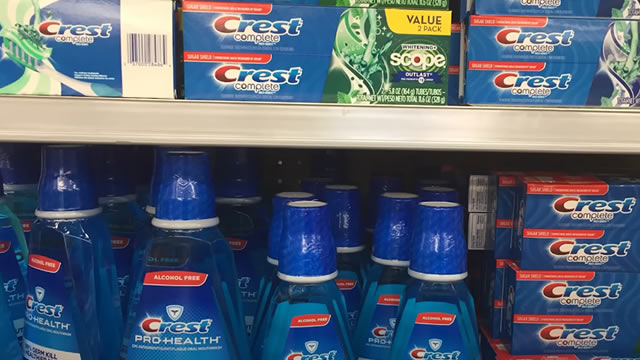
Procter & Gamble (PG) Declines More Than Market: Some Information for Investors
Procter & Gamble (PG) reached $160.28 at the closing of the latest trading day, reflecting a -1.78% change compared to its last close.
Is PG's Supply Chain Revamp a Game-Changer in Consumer Staples?
Procter & Gamble's digital supply chain overhaul and AI-powered automation aim to blunt tariff shocks and boost resilience.

Procter & Gamble Slips Below 50-Day SMA: Time to Buy or Exit?
PG breaks below key technical levels as sales soften. A trimmed outlook raises questions about valuation support amid slowing growth.

PG's Productivity Drive: Enough to Offset FX and Cost Pressures?
Procter & Gamble leans on productivity investments to offset inflation and currency swings, aiming to protect and grow margins.

Procter & Gamble To Layoff Up To 7,000 Amid Slow Growth In USA
Procter & Gamble (P&G), the owner of consumer brands like Tide, Pampers and Swiffer, has announced plans to layoff up to 7,000 workers over the next two years. The plans are part of a larger restructuring announced by the company's CFO, Andre Schulten, at a Deutsche Bank consumer conference in Paris on Thursday.



