






Pony AI: Low Fairs May Damage Long-Term Potential (Downgrade To Hold)
Pony AI (PONY) achieved unit breakeven in Guangzhou, but low fares may limit long-term earnings, especially in China. PONY's asset-light model and lower Chinese costs could deliver positive EBITDA with a lower fleet size, but absolute EBITDA may fall short of consensus estimates. Competitive risks are rising as major Chinese OEMs enter the robotaxi market, and recent capital raises signal higher-than-expected cash burn.

Pony AI Inc. (PONY) Q3 2025 Earnings Call Transcript
Pony AI Inc. ( PONY ) Q3 2025 Earnings Call November 25, 2025 7:00 AM EST Company Participants George Shao Jun Peng - Co-founder, CEO & Chairman of the Board Tiancheng Lou - Co-founder, CTO & Director Haojun Wang - Chief Financial Officer Conference Call Participants Ming-Hsun Lee - BofA Securities, Research Division Bin Wang - Deutsche Bank AG, Research Division Kailin Wu - Citigroup Inc., Research Division Purdy Ho - Huatai Securities Co., Ltd., Research Division Xiaoyi Lei - Jefferies LLC, Research Division Xinyu Fang - UBS Investment Bank, Research Division Xuxia Tang - Guosen Securities Co., Ltd.

China's Pony.ai sees shares drop 12% as autonomous driving firm debuts in Hong Kong
Pony.ai raised 6.71 billion Hong Kong dollars (about $860 million) in its initial public offering in Hong Kong, while WeRide raised K$2.39 billion. The listings in Hong Kong come as the companies seek further expansion outside of China and try to keep up with competitors like Baidu's Apollo Go and Alphabet's Waymo.

Pony AI's Hong Kong IPO Can Boost Upside Potential
Pony AI has filed for an IPO in Hong Kong, presenting a potential upside catalyst for the stock from growing Chinese AI investment. The company has been active in vehicle production and partnerships, including a European deal with Stellantis and Middle East robotaxis. PONY's deal with SANY opens the door for early entry to AV trucking, which has a high addressable market and worker shortages.

Should You Get On Pony AI?
Pony AI debuted on Nasdaq in November, raising over $400 million and reaching a $5.25 billion valuation. PONY shares have been volatile, opening at $15, dipping to $4.18, and now trading at about $18.50 per share. The company's main growth driver is its robotaxi segment, with fully driverless commercial operations in all four tier-1 Chinese cities.

Pony AI: Turning Into A Real Business As Revenue Grows And Costs Deflate
Pony AI offers strong China exposure and is poised for continued growth in the autonomous vehicle sector, making it a compelling "Buy." PONY's Q2 revenue surged 76% year-over-year, driven by robust licensing deals and expanding robotaxi operations in major Chinese cities. The company boasts substantial cash reserves of $750 million, manageable cash burn, and a platform-agnostic approach with global expansion potential.
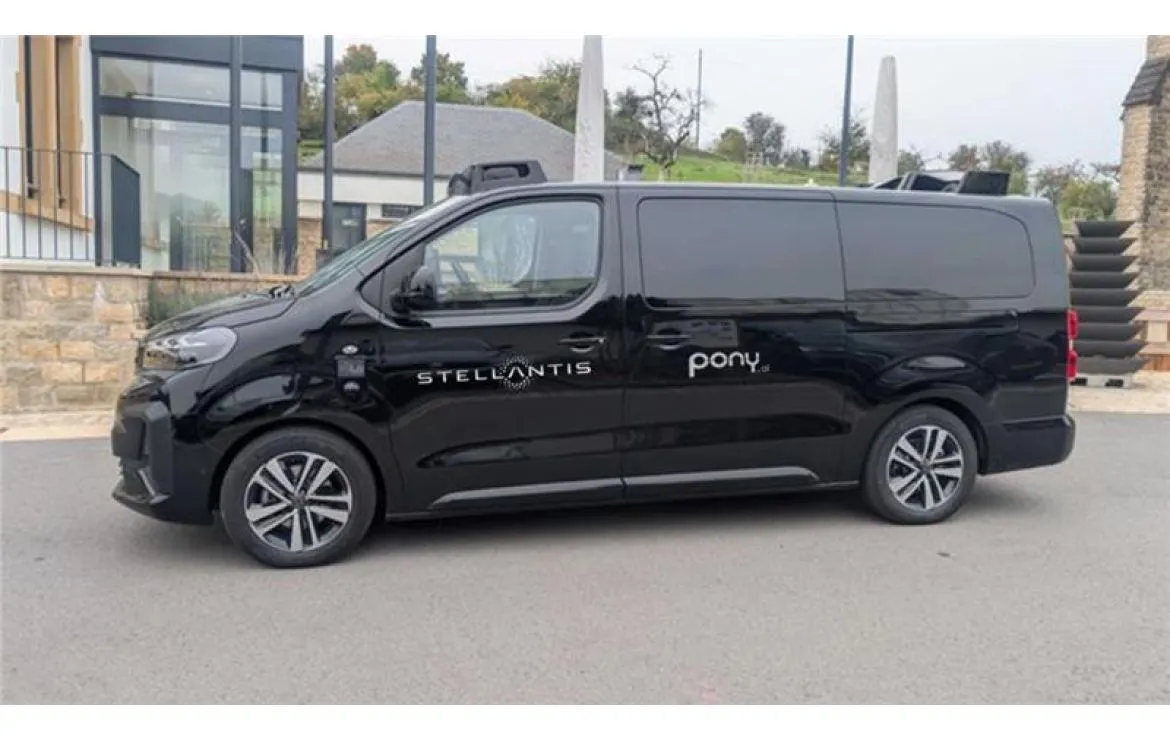
Stellantis teams up with Pony.ai to develop robotaxis in Europe
Automaker Stellantis and Chinese autonomous vehicle company Pony.ai have signed a non-binding agreement to build robotaxis for deployment in Europe.
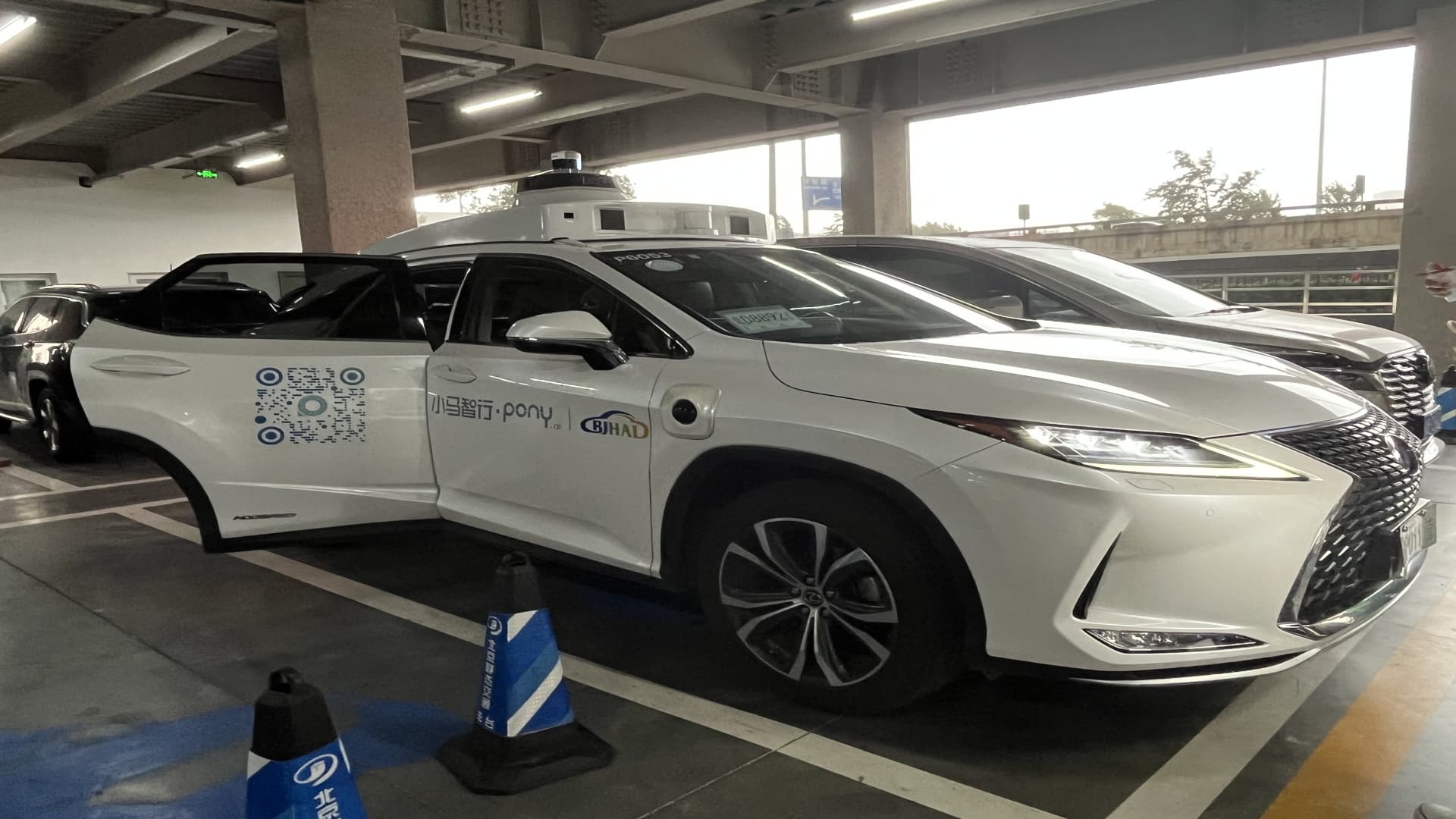
Chinese robotaxi company Pony.ai to work with Stellantis on Europe expansion
Pony.ai's Luxembourg unit and Stellantis said Friday they will work together on testing robotaxis for Europe. The companies will start testing in Luxembourg in the coming months, before expanding to other parts of Europe next year.
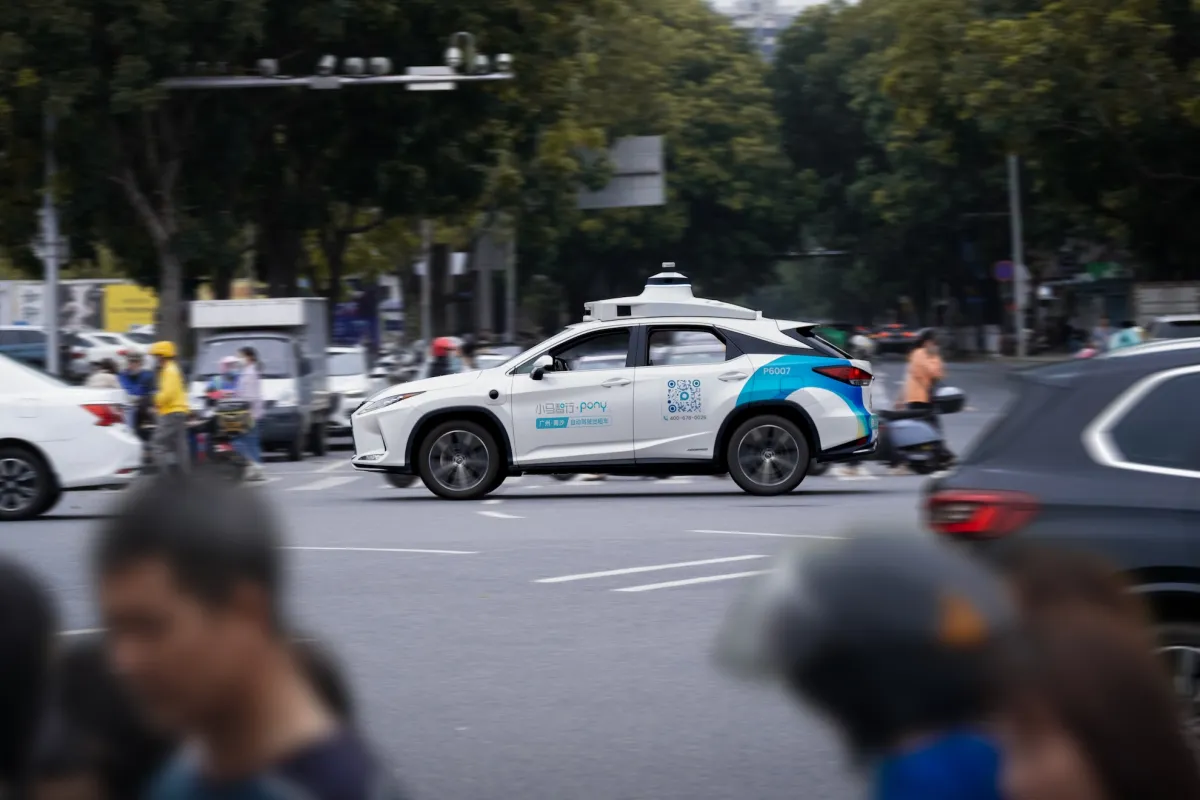
Self-driving car companies Pony.ai and WeRide get the OK for Hong Kong listing
Pony.AI and WeRide have received a key approval from Chinese securities regulators that clears the way for the for the autonomous vehicle technology companies to pursue secondary listings on the Stock Exchange of Hong Kong.
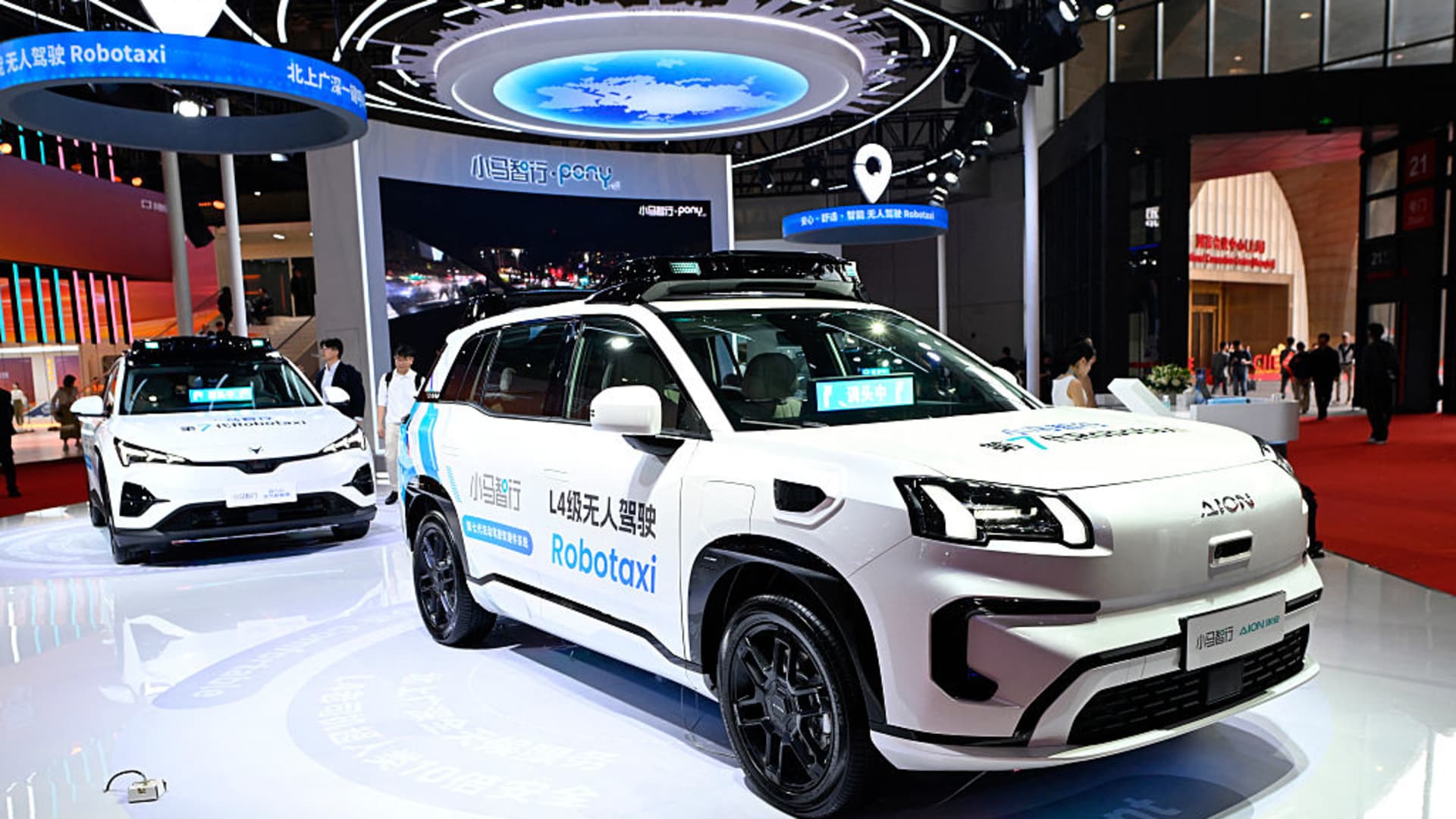
China greenlights autonomous driving firms Pony.ai and WeRide's Hong Kong listings
The China Securities Regulatory Commission announced on Tuesday that autonomous driving firms Pony AI and WeRide have filed to issue and list shares in Hong Kong. The Guangzhou-based firms are amongst a growing wave of Chinese companies seeking secondary listings in Hong Kong, in what has been a bounce-back year for the city's IPO market.

Pony AI: Keep Betting On This Bullish Horse
Pony AI is a pure-play autonomous mobility company showing strong growth, expanding partnerships, and rapid revenue increases, especially in Licensing and Application. Despite early-stage risks and high valuation, there is significant long-term potential as Pony scales its Robotaxi and Robotruck fleets and commercializes its technology. The company is well-capitalized, with liquidity to support near-term spending, and is on track to reach 1,000 Gen-7 Robotaxi vehicles by year-end.

Pony AI: A High-Risk, High-Reward AV Start-Up
Pony AI Inc. is an China-based AV start-up focused on delivering full-stack autonomous driving technology. The AV platform is seeing significant revenue momentum in its licensing and applications business, with more than 900% Y/Y growth in Q2'25.



