



Uber Technologies, Inc. (UBER)










Uber and Tesla Surge on Robotaxis, Analyst Touts Texas Rides
In a big week for robotaxi bulls, Uber Technologies NYSE: UBER and Tesla NASDAQ: TSLA officially began their automated ride-sharing operations in two key geographies. Both these names saw strong gains in their shares as a result.

Uber Launches Robotaxi Service in Atlanta With Waymo: What's Ahead?
UBER expands its robotaxi push with Waymo in Atlanta, betting on partnerships to scale self-driving rides fast.
Uber Technologies Remains A Solid Buy As Growth Drivers Expand
Uber delivered double-digit growth in both trips and revenue in Q1 2025, with adjusted EPS beating estimates by a wide margin and margin expansion across both Mobility. Continued strength in user engagement, rising Uber One adoption, and healthy trip and booking trends are expected to drive steady revenue growth in FY25. Operational leverage from higher scale and easing insurance cost inflation should support further margin expansion in FY25 and beyond.
Buy Uber or Avis Stock for Higher Highs?
With their stocks trading near 52-week highs, Uber Technologies (UBER) and Avis Budget Group (CAR) helped lead Tuesday's broader market rally.

Uber, Waymo launch autonomous ride-hailing service in Atlanta
Uber Technologies on Tuesday is beginning autonomous ride-hailing in Atlanta with Alphabet unit Waymo after offering the service in Austin, Texas, since March.

Uber and Waymo's commercial robotaxi service is open for business in Atlanta
Waymo robotaxis can now be hailed in Atlanta via Uber. The two companies, which already offer the “Waymo on Uber” service in Austin, said on Tuesday the commercial service will initially cover about 65 square miles in Atlanta.

Uber Offers AI Potential And Key Investments Provide Upside
Uber offers solid value with a reasonable P/E ratio and solid fundamentals, making it attractive compared to other tech stocks in today's market. AI initiatives present significant upside potential, but I view them as a bonus rather than the core investment thesis for Uber at this stage. Uber's strategic investments in Grab and Aurora Innovations provide diversification and exposure to high-growth Southeast Asian markets and autonomous tech.

Uber Taps New Growth Engines In Delivery And Autonomy
Uber has transitioned into a structurally profitable tech leader, with strong cash flows and dominant positions in ride-sharing and delivery. The company's long-term growth is driven by investments in AI and autonomous vehicles, positioning Uber as a mobility and data infrastructure platform. Despite regulatory and competitive risks, Uber's scale, operational efficiency, and platform effect support its resilience and justify its premium valuation.
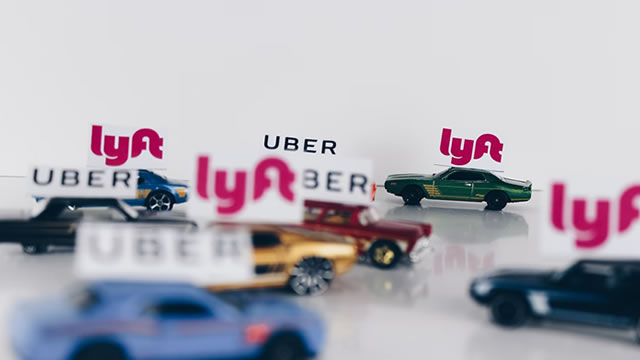
New research reveals Uber's algorithmic pricing leaves drivers and passengers worse off
A new study from researchers in the University of Oxford's Department of Computer Science has found that Uber's use of dynamic pricing has led to higher fares for passengers and lower earnings for drivers, while increasing Uber's share of revenue.
Uber: The Threat From Robotaxis Is Overblown And Uber Looks Inexpensive
Uber has transformed into a highly profitable, free cash flow powerhouse, with strong double-digit growth expected in both EPS and revenue for years ahead. Concerns about robotaxis, including Tesla's entry, are overblown; Uber's partnerships and platform integration with autonomous vehicles position it as a winner in the AV era. Uber's scale, global reach, and network effects create a significant moat, making it unlikely for new entrants to erode its dominant market share or profitability.

Uber Technologies: No Longer 'Strong Buy', State Of AVs And DoorDash Domination
Uber continues to deliver strong revenue growth, improving profitability, and operational excellence, but faces intensifying competition and existential AV threats. Autonomous vehicles (AVs) are advancing faster than expected, with Waymo expanding rapidly and Tesla's robotaxi launch imminent, raising uncertainty for Uber's future role. Uber's delivery segment is losing ground to DoorDash, which now leads in gross bookings and combined revenues, despite Uber's dual mobility and delivery platform.

Waymo Applies for NYC Testing Permit: Is it a Risk for Uber?
Waymo's NYC permit bid shakes UBER's shares as investors weigh future robotaxi rivalry in a key U.S. market.



