



Uber Technologies, Inc. (UBER)










Delivery Segment Going Strong at UBER: More Upside Ahead?
Uber's Delivery business revenues surge 25% in the second quarter with new retail partnerships, boosting growth beyond ridesharing.
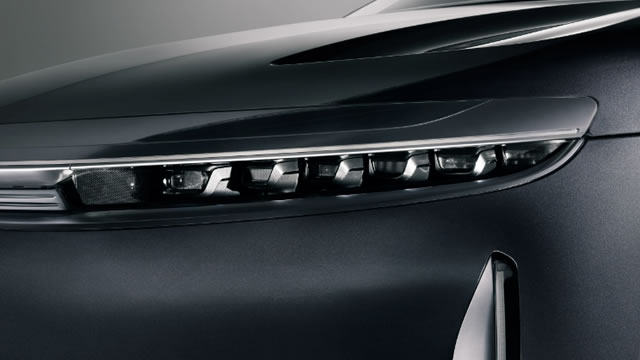
Will Uber's $300M Bet on Gravity Accelerate Lucid's Growth?
LCID partners with Uber and Nuro on a $300M robotaxi deal, aiming to deploy 20,000 Gravity EVs in global markets.

Uber's $20B Buyback Could Spark a Trend—2 Stocks Already on Board
Uber Technologies NYSE: UBER, the world's leader in ride-sharing, just announced financial results that elicited a mixed reaction from market participants. However, Uber left no room for interpretation regarding its feelings.

Uber: Undervalued Despite Autonomous Driving Disruption Fears
Uber's strong execution, scale, and brand power drive robust growth across Mobility, Delivery, and Freight, supported by expanding user base and subscription offerings. Strategic partnerships in autonomous vehicles position Uber to benefit from industry disruption, despite risks from emerging AV competitors and potential platform disintermediation. Financials are impressive: double-digit revenue and profit growth, rising free cash flow, operating leverage, and a substantial share repurchase program enhance shareholder value.
Don't Overlook Uber (UBER) International Revenue Trends While Assessing the Stock
Explore Uber's (UBER) international revenue trends and how these numbers impact Wall Street's forecasts and what's ahead for the stock.

Uber Technologies, Inc. (UBER) is Attracting Investor Attention: Here is What You Should Know
Uber (UBER) has received quite a bit of attention from Zacks.com users lately. Therefore, it is wise to be aware of the facts that can impact the stock's prospects.
Uber: The Hidden Edge In Its Robotaxi Strategy
Uber's transformation into a high-margin, multi-service platform is driving robust free cash flow, strong earnings growth, and an aggressive $20 billion buyback program. The company's unique aggregator model in robotaxis, leveraging partnerships instead of owning fleets, positions Uber as the leading demand platform with capital-light scalability. Q2 results showcased record profitability, expanding margins, and impressive guidance, with both Mobility and Delivery segments delivering double-digit growth and rising user engagement.

How Uber steers its drivers toward better performance
New research shows that the app's ratings and incentive system has made drivers in Chicago as safe and reliable as taxi drivers. The findings suggest regulators may want to consider new quality-control measures.
Uber Announces Massive Buyback Program: Will it Aid the Bottom Line?
UBER unveils a $20-billion stock buyback plan, signaling confidence in its growth strategy and showcasing a shareholder-friendly stance.

Uber and Lyft Take Divergent Routes Chasing Shared Mobility Platform Goal
While both Uber and Lyft showed healthy top-line growth and improving fundamentals, their underlying narratives — shared during their Q2 2025 earnings calls — revealed a deeper divergence when it comes to owning the mobility platform layer.

Should Investors Bet on Uber Stock Post Q2 Earnings Beat?
UBER beats Q2 estimates with strong Mobility and Delivery growth, but valuation concerns may urge investor caution.

Uber Is A Strong Buy After Delivering A Solid Q2
Uber has transformed into a cash-generating powerhouse, with Q2 results showing robust growth in revenue, gross bookings, and free cash flow. Key growth drivers include rising monthly active users, strong Uber One adoption, and expansion into platform/ecosystem services beyond Mobility and Delivery. Uber's investments in autonomous vehicles and partnerships position it for long-term leadership while maintaining a capital-light, cash-rich model.



