



United States Oil Fund, LP (USO)
 ARCA ARCA Primary
Should You Buy Oil ETFs on Its Best Weekly Run Since July?
Oil ETFs have gained over the past week, but the potential for a sustained rally appears weak.

Oil Prices Fall for the Second Consecutive Year: ETFs in Focus
Oil prices declined for the second successive year in 2024. The outlook seems weak for 2025, too.
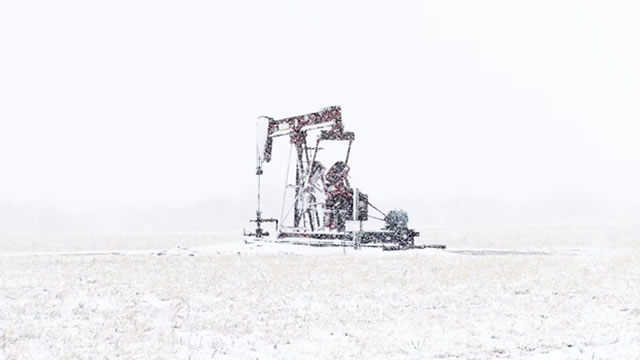
Why Betting on Oil Over Gold Could Pay Off Big in 2025
The premium on gold's price might be cooling off, especially as the geopolitical conflicts start to cool as nations gear up for the new United States administration. This is why gold's price has ranged and struggled to break above $2,700 per ounce, making other discounted commodities, like crude oil, a better buy when seen from a risk-to-reward setup.

USO: Oil After Today's Election
Expect significant volatility in crude oil prices post-U.S. election, influenced by energy policy, Middle East conflicts, and Chinese economic stimulus. Gasoline prices are bearish due to off season trends, but the election and geopolitical factors could disrupt this pattern. The U.S. election outcome will shape energy policy: Harris favors renewable fuels, potentially stabilizing prices; Trump supports increased hydrocarbon production, likely lowering prices.
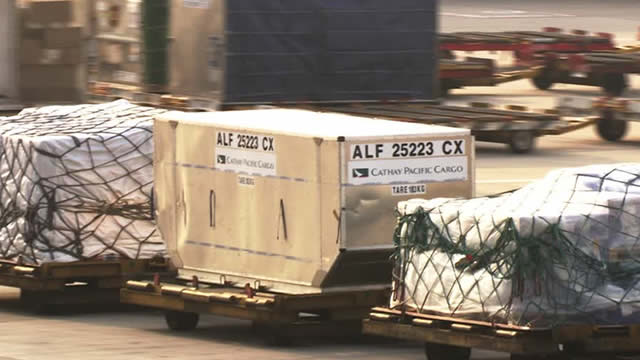
As Royal Mail satisfaction dips, Ofcom repeats concerns over USO sustainability
Communications regulator Ofcom's latest Post Monitoring Report has detailed the latest customer satisfaction trends in the UK's postal sector, with International Distributions Services PLC (LSE:IDS)-owed Royal Mail coming somewhere in the middle. Amazon and DHL led the sector with high customer satisfaction ratings (56% and 55% respectively) for contact processes, while Evri and Yodel reported the lowest satisfaction scores in contact processes.

Exxon Mobil Faces Q3 Challenges Amid Declining Oil Prices and Refining Margins
Exxon Mobil (XOM, Financial) is set to report its Q3 results in late October, highlighting the impact of declining oil prices and weaker refining margins on its earnings. The company anticipates a hit to its Q3 profits due to these factors, with an estimated $600 million to $1 billion loss in its upstream business from softer oil prices and another $600 million to $1 billion loss from significantly lower industry refining margins, which are normalizing from the historically high levels of the previous year.
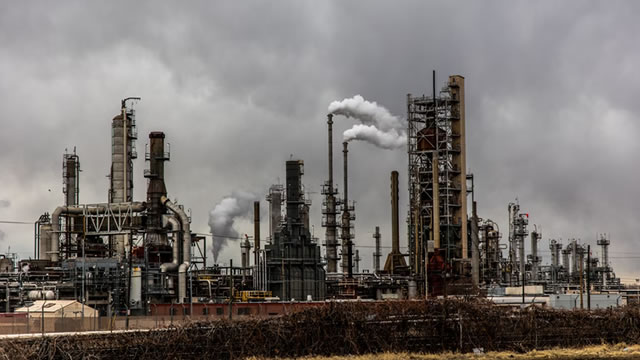
Middle East Tensions Rise: Correction Ahead?
With geopolitical tensions rising and tax selling in full swing, some October volatility is possible. However, Stock Strategist Andrew Rocco explains why its far too early to panic.

USO: China And The U.S. Will Determine The Path Of Least Resistance
Crude oil prices are volatile due to Chinese economic stimulus, U.S. election uncertainty, and global conflicts, creating the potential for substantial price swings. China and India's high petroleum consumption significantly impacts global oil demand, with China's recent economic measures boosting crude oil prices. The U.S. election outcome could influence oil prices: Harris supports climate initiatives, while Trump advocates increased domestic oil production.

US Oil Production Is Slowing, The Ramifications Will Be Significant
US oil production is finally showing signs of peaking. Since early 2023, almost all production growth has resulted solely from productivity gains. The rig count, frac spreads, drilled but Uncompleted Well count and Completed Well count are now all. Expect shale to continue to grow marginally in the short-term, but average growth is likely to surprise to the downside from here. Productivity gains will eventually catch up to geology.

Geopolitics sends oil down for a fifth session
RBC's Helima Croft joins 'Fast Money' from Jackson Hole to discuss the current state of global oil markets.

Why Oil Refinery Stocks' ‘Famine' Could Turn Into a ‘Feast'
A decline in margins has weighed on refining stocks

OPEC oil output rises for second month in June, Reuters survey finds
OPEC oil output rose in June for a second consecutive month, a Reuters survey found on Tuesday, as higher supply from Nigeria and Iran offset the impact of voluntary supply cuts by other members and the wider OPEC+ alliance.




