





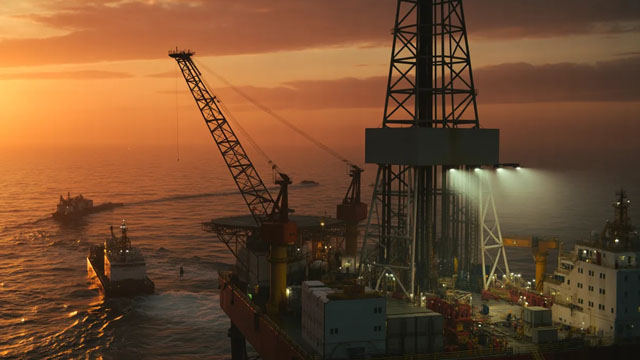
Liberia offers 29 offshore blocks in 2026 oil and gas licensing round
Liberia offers 29 offshore blocks in 2026 oil and gas licensing round

EU delays methane rules on oil and gas imports for a year
EU delays methane rules on oil and gas imports for a year
Oil prices climb as traders weigh Saudi supply risk, Russian diesel flow
Oil prices climb as traders weigh Saudi supply risk, Russian diesel flow
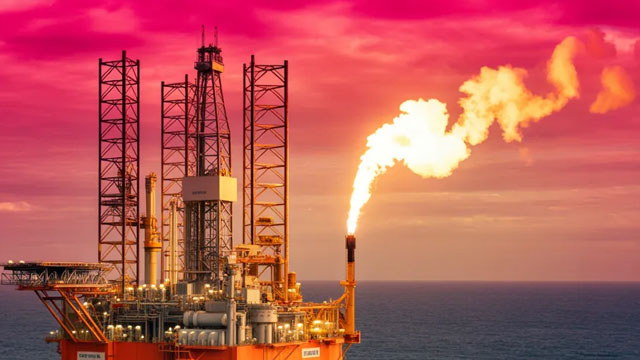
Oil Rises Amid Ongoing Middle East Tensions
Oil rose amid ongoing Middle East tensions that could exacerbate supply disruptions.
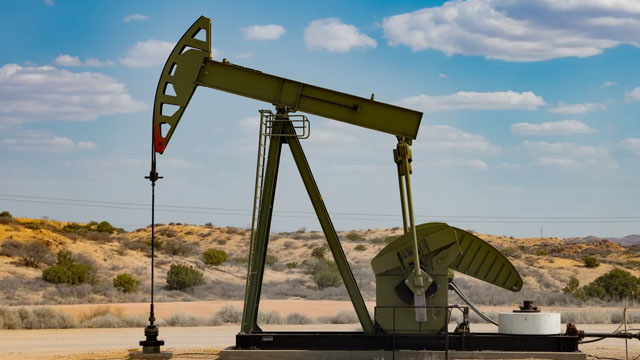
Oil Futures Decline on Possible Technical Correction
Oil futures declined on a possible technical correction after solid gains overnight.
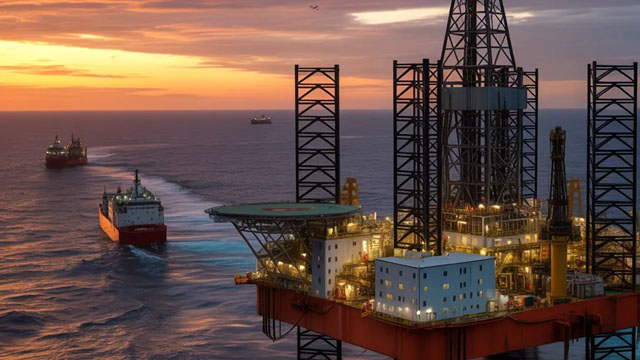
Oil ticks lower as Russia diesel supply prospects counter Gulf supply risks
Oil ticks lower as Russia diesel supply prospects counter Gulf supply risks
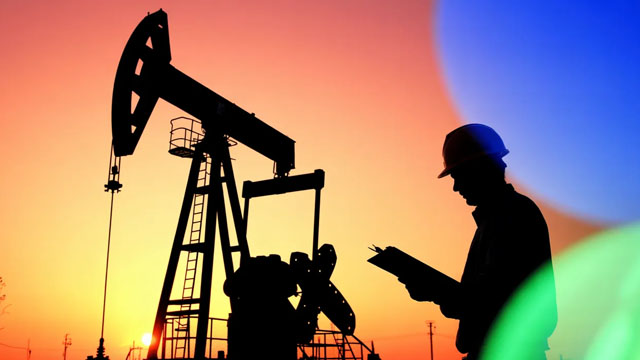
Oil Climbs as Fighting Flares in Middle East, Ukraine
Plus, a Starbucks-Chipotle merger that wasn't, and credit scores for mortgages are changing.
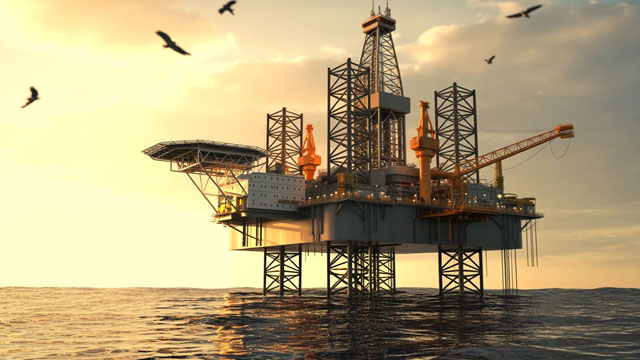
Americas have glut of heavy oil due to freight squeeze; Asia, Europe scramble for barrels
Americas have glut of heavy oil due to freight squeeze; Asia, Europe scramble for barrels

Oil falls as Trump comments on Iran talks ease supply concerns
Oil prices fell on Friday as Middle East supply concerns eased somewhat after US President Donald Trump said the country will not attack Iran before US elections next month amid productive talks to end their war that has disrupted the market.
Oil Edges Lower; Prices Likely to Remain High in Short Term
Oil edged lower in Asian trade but prices remain elevated.
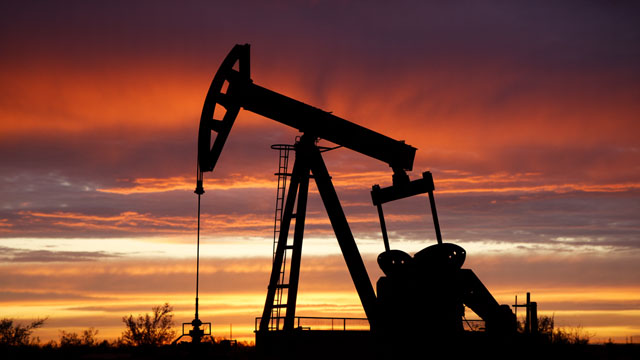
On the Chain: Bitcoin tumbles towards US$80,000 as ETF outflows and oil shock hit crypto
Bitcoin has fallen sharply towards US$80,000 as rising oil prices, elevated US bond yields and accelerating withdrawals from cryptocurrency exchange-traded funds trigger another wave of selling across digital assets. The world's largest cryptocurrency was trading around US$81,710 at the latest check, down about 1.8% on the session after falling as low as US$80,432.
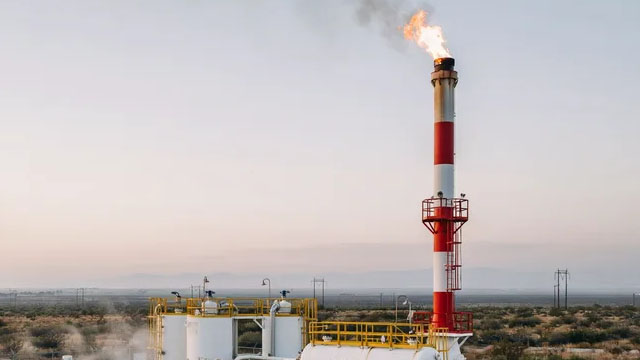
Oil Is Already at $100. Now a Hurricane Could Shut Down Gulf Production
Tropical Storm Isaias is bearing down on the Gulf Coast just as oil crosses $100 a barrel, and the real danger has nothing to do with offshore platforms.




