



Intel Corporation (INTC)














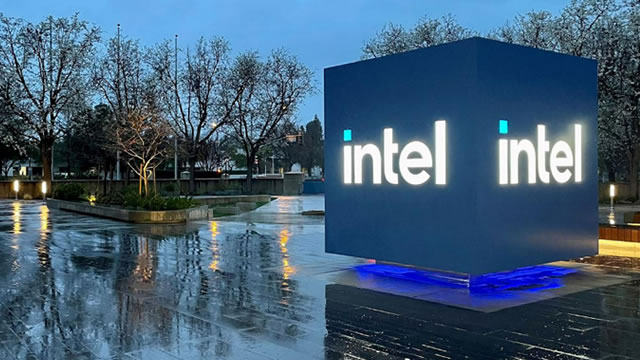
Elon Musk and Intel CEO shore up chipmaker's role in Terafab project — and here's what the news is doing to the stock.
Elon Musk and Intel's CEO have said the company's involvement in the Terafab chip plant will continue, boosting shares.
Intel Stock Rebounds as Musk Explains Terafab AI Chip Project and TSMC's Role
The chip maker has fallen around 6% so far this week after Musk signaled TSMC may become involved in the SpaceX-Tesla chip project.
Intel's Biggest Opportunity May Be Its Comeback
After years of losses and stumbles, Intel has strung together seven consecutive quarters of beating its own expectations, and the gap between its bull and bear cases now spans nearly $40 per share.
Intel (INTC) Stock Sinks As Market Gains: What You Should Know
The latest trading day saw Intel (INTC) settling at $116.19, representing a -2.63% change from its previous close.
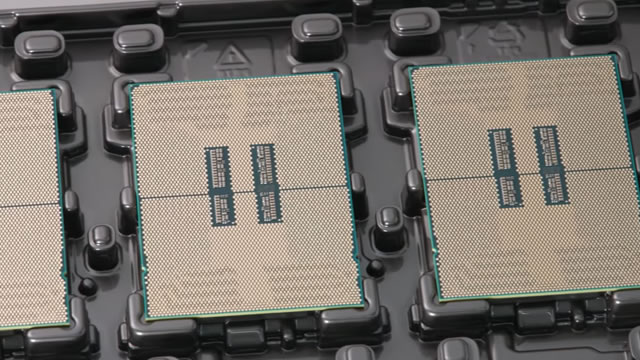
Why is Intel stock falling on Monday?
Intel shares INTC slipped on Monday after Elon Musk confirmed that Taiwan Semiconductor Manufacturing Co. could participate in his ambitious Terafab chip-making project, raising concerns that the US chipmaker could face competition in a venture that has helped drive its stock sharply higher this year. Intel shares fell about 2% in morning trading, while TSMC's US-listed shares gained 1.4%.
Intel Drops 4% as Elon Musk Signals Taiwan Semiconductor Could Join Terafab; AMD Slips, NVIDIA Holds Steady
A weekend comment about a Texas chip venture is testing the most visible outside endorsement of Intel‘s (NASDAQ:INTC | INTC Price Prediction) foundry turnaround. Intel stock is at $114.
Musk hints TSMC may join his mega chip venture, and Intel's stock is taking a hit
Intel shares are taking a hit on Monday after a report that TSMC may help with Elon Musk's Teraweb factory.
Qualcomm, Intel, Strategy, PTC, and More Stocks That Explain Today's Market
Qualcomm advances after a licensing deal with Huawei, while Intel slips on talks between rival TSMC and Elon Musk's Terafab.
Germany at risk of violent conflict with Russia, intel chief says
Germany is at risk of entering a violent conflict with Russia as Moscow steps up an increasingly aggressive "shadow war" against European democracies, the head of Germany's foreign intelligence service warned on Monday.
Intel Was Worth About 28 Times as Much as AMD 10 Years Ago. Now AMD Is Worth About 60% More.
In late September 2016, Intel's market value was around 28 times as big as AMD's. Mercury Research estimates AMD sold 34.5% of x86 server processors in the second quarter of 2026, up from 3.2% in late 2018.
Here's Why Intel (INTC) is a Strong Momentum Stock
The Zacks Style Scores offers investors a way to easily find top-rated stocks based on their investing style. Here's why you should take advantage.
Intel Surges 222% in a Year: Should Investors Join the Bandwagon?
INTC's 222% surge reflects AI momentum, stronger manufacturing execution and rising estimates, though margin and China risks persist.




