











IWM, Small-Cap Stocks Face A Rocky Road Ahead
The iShares Russell 2000 ETF has been stagnant since February 2021, with rising interest rates and falling 2025 earnings estimates adding to investor frustration. Valuations are stretched, with a 12-month P/E ratio at 26.2, significantly above its historical median, making a compelling case for investment weakness. Tight credit spreads, historically low at 2.56%, limit the potential for P/E multiple expansion, suggesting limited upside for the ETF.

IWM ETF: Here's why the Russell 2000 index is crashing
The iShares Russell 2000 ETF (IWM) has dropped into a technical correction after falling by over 11% from its highest level in 2024. It retreated to $214, its lowest level since September last year, lagging behind its top peers like the S&P 500 and Nasdaq 100 indices.

Should iShares Russell 2000 ETF (IWM) Be on Your Investing Radar?
Looking for broad exposure to the Small Cap Blend segment of the US equity market? You should consider the iShares Russell 2000 ETF (IWM), a passively managed exchange traded fund launched on 05/22/2000.
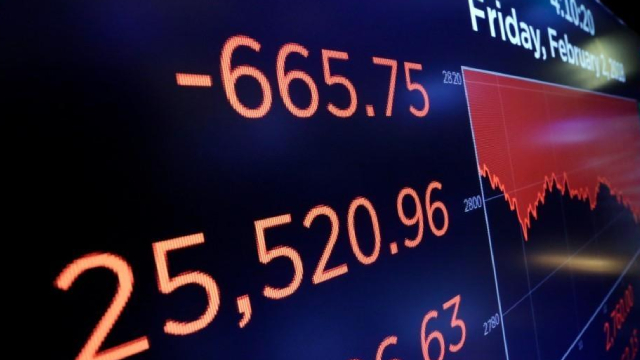
5 Metrics to Watch as Stocks Make 2025 Debut
After a robust 2024, sellers are back in control on Wall Street. Investors should observe the five indicators mentioned in this article to determine the next big market move.

SPY Vs. IWM: Why We Prefer Small-Cap Stocks
In recent days, the macroeconomic landscape has shifted drastically with changes in the Fed's dot plot and the outlook of further interest rate cuts. The more hawkish interest rate outlook could translate into a stronger headwind for IWM than SPY. But IWM's valuation discount relative to SPY is too large at this point, and also offsets the downside risk.
Here's why the Russell 2000 (IWM) ETF slumped after Fed decision
The iShares Russell 2000 ETF (IWM) crashed hard after the Federal Reserve delivered a highly hawkish interest rate decision. It slumped by over 3%, reaching a low of $218, its lowest level since November 5.

Final Trade: IWM, WFC, XLU, XLF
The final trades of the day with CNBC's Melissa Lee and the Fast Money traders.

IWM: This Is Why It's Time To Buy Small Caps
Trump's reelection and his pro-business policies are expected to boost the M&A market, directly benefiting Russell 2000 companies. The Russell 2000 is trading below its historical P/E average, making it the only US index currently at a significant discount. The iShares Russell 2000 ETF offers great diversification and is ideal for capturing the growth of small American companies.

Can S&P 500 Fall in 2025? ETFs to Rescue You
The 2025 Wall Street outlook is marked by contrasting views. While investment house Stifel expects a bearish year due to economic and inflationary pressures, others remain optimistic.

Santa To IWM Smallcap ETF: I Have Nothing For You
Small cap stocks, represented by the iShares Russell 2000 ETF, have shown positive returns, but face significant risks and challenges heading into 2025. IWM's sector allocation is diverse, with no single stock dominating, but lacks long-term appeal due to its underperformance compared to large caps. Valuation metrics for IWM are reasonable, but market sentiment and technical analysis suggest limited potential for outperformance.

Final Trade: IWM, XLV
The final trades of the day with CNBC's Melissa Lee and the Fast Money traders.

Russell 2000: IWM Vs. UWM - 2 Ways To Invest In Small-Cap America
Small cap stocks, represented by the Russell 2000, have surged post-election, benefiting from domestic focus and potential regulatory and tax reforms under President Trump. Small caps are riskier but offer higher potential upside; ETFs like IWM and UWM provide diversified exposure. IWM, with a lower expense ratio, is ideal for long-term small cap exposure, while UWM suits short-term, bullish momentum plays.




