



Merck & Co., Inc. (MRK)










Merck Stock Hits New 52-Week High: What's Driving the Rally?
MRK hits a 52-week high as positive melanoma data, pipeline progress, new launches and M&A bolster its long-term growth outlook.

Merck Just Gained 19% in a Month. What Would It Take to Get MRK Stock Up to $200?
The setup around Merck (NYSE:MRK | MRK Price Prediction) shares heading into September is unusual for a mega-cap pharma.

Why Is Merck Stock Still An Undervalued Mega-Cap In Pharma?
This article was written by Doug Nathman, with research by his team at Trefis.

Can Merck's New Drugs Offer Growth Cushion Ahead of Keytruda LOE?
MRK's growing pipeline, acquired assets and new product launches are gaining traction as it builds a diversified growth base ahead of Keytruda's 2028 LOE.

MRK/MRNA's Personalized Cancer Therapy Delivers First Phase III Win
Merck and Moderna's personalized melanoma therapy meet key goals in phase III study, improving recurrence-free and distant metastasis-free survival in high-risk patients.

Merck: Why Consolidation Looks Like The Next Move (Rating Downgrade)
Merck & Co., Inc. has outperformed, surging 72% since my last bullish call versus the benchmark's 15%. MRK now trades at 14x 15-month forward P/E, but lofty FY2027 earnings expectations limit margin for error. I've downgraded MRK from Strong Buy to Hold, preferring to wait for fundamentals to catch up.

Can Keytruda Sustain Merck's Growth in the Second Half of 2026?
MRK's Keytruda remains a key growth engine in 2026, but patent loss and rising competition could challenge its long-term sales momentum.
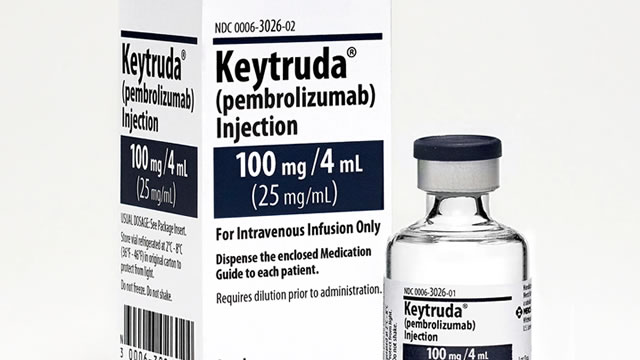
MRK Stock Up 5.6% in a Month as Estimates Fall: Buy, Hold or Sell?
Merck's strong Keytruda sales and pipeline progress support its long-term outlook, but falling estimates and patent risks cloud the near term.

Merck (MRK) Is Considered a Good Investment by Brokers: Is That True?
The recommendations of Wall Street analysts are often relied on by investors when deciding whether to buy, sell, or hold a stock. Media reports about these brokerage-firm-employed (or sell-side) analysts changing their ratings often affect a stock's price.

MRK Q2 Earnings Call Puts Pipeline Progress in Focus
Merck raised its 2026 sales outlook as pipeline gains, new launches and post-KEYTRUDA plans took focus despite acquisition-driven losses.

Merck & Co., Inc. Q2 Earnings Call Highlights
Merck & Co., Inc. NYSE: MRK reported second-quarter revenue of $16.6 billion, up 5% from a year earlier, driven by oncology, animal health and contributions from newer product launches. Revenue increased 4% excluding foreign exchange, according to Chief Financial Officer Caroline Litchfield.

MRK Q2 Earnings & Sales Beat Estimates, '26 Sales View Raised
Merck beat Q2 earnings and sales estimates as strong oncology and newer products lift results, prompting the company to raise and narrow its 2026 sales outlook.




