



Home Depot Inc. (HD)









Home Depot (HD) Q2 Earnings: Taking a Look at Key Metrics Versus Estimates
Although the revenue and EPS for Home Depot (HD) give a sense of how its business performed in the quarter ended July 2025, it might be worth considering how some key metrics compare with Wall Street estimates and the year-ago numbers.

Home Depot Holds Outlook Steady as the Retailer Sees Momentum in Demand
Home Depot (HD) shares advanced 3% Tuesday after the biggest home-improvement retailer affirmed its guidance as do-it-yourself and large project demand increased.

Home Depot (HD) Lags Q2 Earnings and Revenue Estimates
Home Depot (HD) came out with quarterly earnings of $4.68 per share, missing the Zacks Consensus Estimate of $4.71 per share. This compares to earnings of $4.67 per share a year ago.
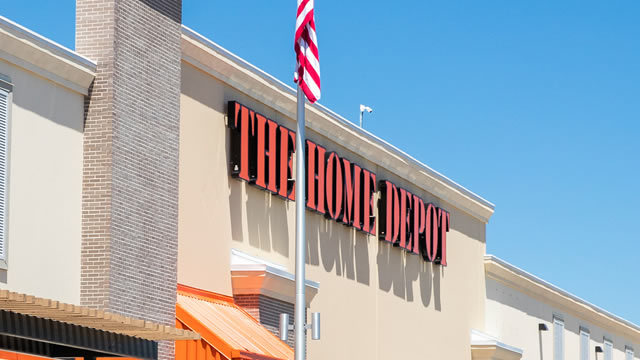
Home Depot will report earnings before the bell. Here's what to expect
Home Depot will report fiscal second-quarter earnings before the bell on Tuesday. As it faces a sluggish housing market, the retailer has turned to contractors and other home professionals to drive sales gains.

Investors Seek Signs of Turnaround in Home and Garden Market
Investors will watch this week's earnings reports from Home Depot and Lowe's for signs of any reduction in the headwinds that have been facing the home and garden market. The sector has faced a sluggish housing market, tariffs, high interest rates and consumer caution when it comes to big purchases, Reuters reported Monday (Aug. 18).

Home Depot & Lowe's Earnings: Turnaround Time?
Lowe's LOW and Home Depot HD reflect a notable pairing in the market, with competition remaining fierce between the two over the years.

Previous Earnings Reports Hurt Home Depot Stock—Will This One?
Note: Home Depot FY'24 concluded on February 2, 2025.

Home-Improvement Chains' Earnings Could Show How Affluent Americans Are Spending
Are affluent Americans still spending? Two big home improvement retailers could offer clues about that later this week.

Home Depot vs. Lowe's: Which is the Best Investment as Q2 Results Approach?
Subdued by tariff headwinds earlier in the year, Home Depot and Lowe's stock have started to gain momentum ahead of their Q2 reports next week.

Fed In Focus! What Will It Do – And How Can You Profit?
The Federal Reserve is squarely in focus, with political pressure from the Trump Administration, in-line inflation figures, and weaker data on jobs boosting the chance of interest rate cuts. How many will we get?

Home Depot Nears Q2 Earnings Release: Is Now the Right Time to Invest?
HD gears up for Q2 results, with revenue and EPS growth expectations, as its "One Home Depot" strategy drives momentum despite big-ticket sales pressure.
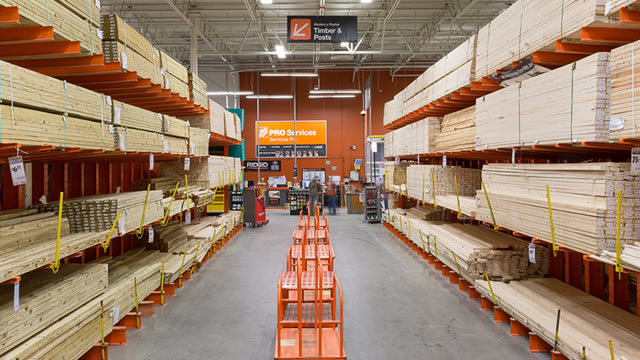
Insights Into Home Depot (HD) Q2: Wall Street Projections for Key Metrics
Evaluate the expected performance of Home Depot (HD) for the quarter ended July 2025, looking beyond the conventional Wall Street top-and-bottom-line estimates and examining some of its key metrics for better insight.



