









Rockwell Automation (ROK) Expected to Beat Earnings Estimates: Should You Buy?
Rockwell Automation (ROK) possesses the right combination of the two key ingredients for a likely earnings beat in its upcoming report. Get prepared with the key expectations.

Will Rockwell Automation (ROK) Beat Estimates Again in Its Next Earnings Report?
Rockwell Automation (ROK) has an impressive earnings surprise history and currently possesses the right combination of the two key ingredients for a likely beat in its next quarterly report.

Rockwell Automation (ROK) Is Up 2.66% in One Week: What You Should Know
Does Rockwell Automation (ROK) have what it takes to be a top stock pick for momentum investors? Let's find out.

2 Must-Buy Tech Stocks for July: ROK, CRDO
It's time for investors to buy strong technology stocks set to benefit from the artificial intelligence boom and other key trends heading into July.

All You Need to Know About Rockwell Automation (ROK) Rating Upgrade to Strong Buy
Rockwell Automation (ROK) has been upgraded to a Zacks Rank #1 (Strong Buy), reflecting growing optimism about the company's earnings prospects. This might drive the stock higher in the near term.

Rockwell Automation Launches OptixEdge to Advance Data Processing
ROK unveils OptixEdge, a new edge gateway aimed at boosting industrial data control, flexibility and efficiency.

Rockwell Automation (ROK) Up 10.1% Since Last Earnings Report: Can It Continue?
Rockwell Automation (ROK) reported earnings 30 days ago. What's next for the stock?
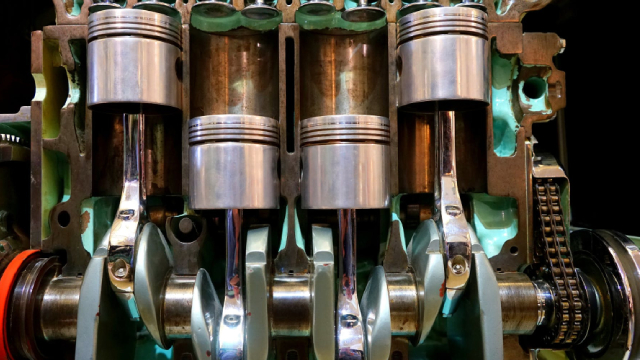
Rockwell Automation Hits 52-Week High: What's Driving Its Performance?
ROK hits a new 52-week high on improved EPS outlook, portfolio expansion and productivity gains.
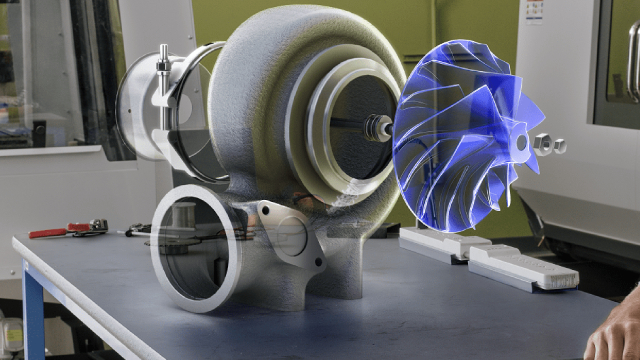
Are You Looking for a Top Momentum Pick? Why Rockwell Automation (ROK) is a Great Choice
Does Rockwell Automation (ROK) have what it takes to be a top stock pick for momentum investors? Let's find out.

Investing in Rockwell Automation (ROK)? Don't Miss Assessing Its International Revenue Trends
Explore Rockwell Automation's (ROK) international revenue trends and how these numbers impact Wall Street's forecasts and what's ahead for the stock.

Rockwell Automation Is Best Positioned For Any Market Environment
Rockwell Automation, Inc. reported strong Q2 '25 results, driven by effective tariff risk mitigation and improved operational leverage. The firm's cost control measures and strategic sourcing led to significant margin expansion and cost savings, potentially positioning ROK itself to exceed its $250mm target for eFY25. Rockwell will benefit from multiple megatrends, including data center growth, warehouse automation, and manufacturing reshoring & migration.

Rockwell Automation: Tailwinds From Onshoring U.S. Production
To paraphrase Rockwell Automation's NYSE: ROK CEO, Blake Moret, the company's home-field advantage ideally positions it to benefit from onshoring U.S. manufacturing. Its manufacturing footprint is North American-centric, with more than 70% located within the continental US.



