



The Boeing Company (BA)









Boeing And Airbus Climb On $40 Billion Order Surge: Which One Is Leading The Recovery?
Boeing is gaining momentum with higher production rates and strong net order value, outpacing Airbus in widebody orders and overall order value. Airbus leads in single-aisle deliveries but faces significant supply chain constraints, limiting its ability to ramp up production further. Both manufacturers are benefiting from robust demand, reflected in large backlogs, but Boeing's recovery and inventory deliveries give it a near-term edge.

Investors Heavily Search The Boeing Company (BA): Here is What You Need to Know
Boeing (BA) has received quite a bit of attention from Zacks.com users lately. Therefore, it is wise to be aware of the facts that can impact the stock's prospects.

Dem lawmakers demand DOJ to not let Boeing escape criminal prosecution related to fatal 737 MAX crashes
Sens. Elizabeth Warren and Richard Blumenthal urged the DOJ to criminally prosecute Boeing in a fraud case over two deadly 737 MAX crashes.

Boeing vs. Airbus: Which Aviation Titan Offers Better Long-Term Prospects?
Investors looking for better stability may buy EADSY. Yet, investors with a higher risk appetite, betting on a rebound, might keep Boeing in their portfolio.
Boeing to pay $1.1B, avoid prosecution in DOJ deal over deadly 737 Max crashes
Boeing was scheduled to face trial next month over two deadly plane crashes in 2018.
Boeing reaches deal to avoid criminal charges over deadly 737 Max crashes
The Justice Department is dropping its criminal case against Boeing. It's a major win for the embattled planemaker.

Boeing, Justice Department reach deal to avoid prosecution over deadly 737 Max crashes
Boeing, Justice Department reach deal to avoid prosecution over deadly 737 Max crashes

Boeing (BA) Up 15.4% Since Last Earnings Report: Can It Continue?
Boeing (BA) reported earnings 30 days ago. What's next for the stock?
Boeing Lifts Off: Strong Order Activity And Delivery Growth Fuel Stock
Boeing's stock is gaining momentum, supported by robust demand, progress in production ramp-up, and resumed deliveries to China. April orders were modest but not concerning, with year-to-date order inflow and backlog strength indicating a healthy business outlook. Deliveries remain strong, consistently above 40 units monthly, signaling improved operational stability and paving the way for future production increases.
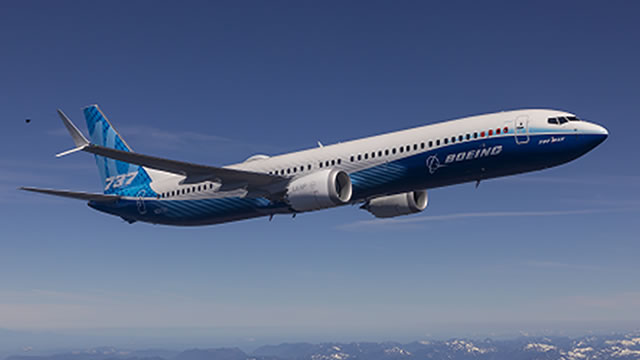
Boeing finally speeds up pace of 737 MAX production following last year's mid-air panel blowout
Boeing expects to stabilize 737 MAX production at 38 airplanes a month over the next couple of months, its Commercial Airplanes Vice President of Quality Doug Ackerman told reporters on Tuesday. The U.S. Federal Aviation Administration capped output at 38 airplanes a month after a mid-air panel blowout in a nearly new 737 in January 2024.
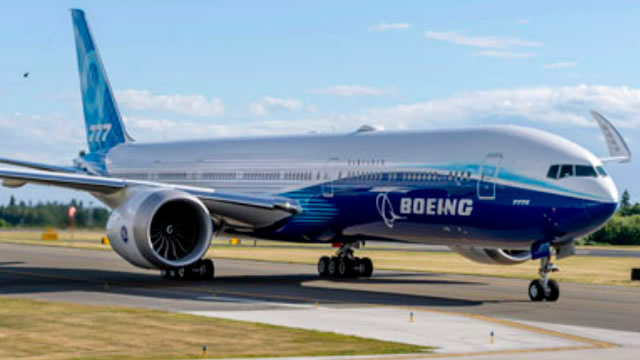
Boeing's Internal Safety Plan: Make Problems Easier to Report
The plane maker is aiming to convince federal regulators that it is making progress in improving its employee culture.



