



The Boeing Company (BA)








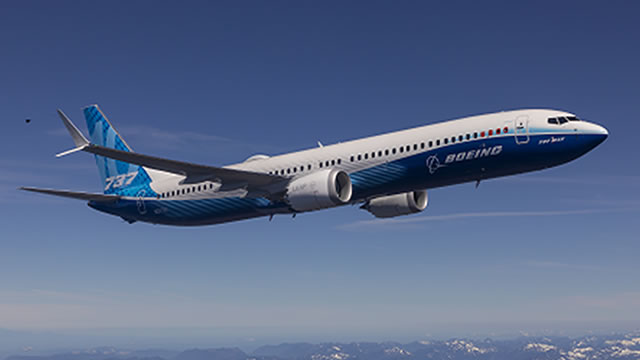
What Analyst Projections for Key Metrics Reveal About Boeing (BA) Q1 Earnings
Evaluate the expected performance of Boeing (BA) for the quarter ended March 2025, looking beyond the conventional Wall Street top-and-bottom-line estimates and examining some of its key metrics for better insight.

Buy the Boeing Dip Even on Tariff and Bans?
The worst part about economic wars, such as today's trade tariff wars, is the uncertainty of where the next headline might come from. During a week of tariff exemptions and negotiations between the United States and China, President Trump decided to start easing off the gas to move things forward, and that is when China decided to launch the latest round of bans and impacts for one of the transportation sector's largest and most important names.

Boeing (BA) Increases Despite Market Slip: Here's What You Need to Know
The latest trading day saw Boeing (BA) settling at $156.48, representing a +0.62% change from its previous close.

Boeing: The Comeback Of The Decade Could Be Underway
Boeing has overcome major challenges from 2024, resumed 737 MAX production, and exceeded revenue expectations in Q4, indicating potential for recovery despite ongoing macroeconomic risks. The company plans to increase 737 series production, signaling operational improvements and future growth opportunities. Boeing's military contracts and a solid backlog provide additional revenue streams, mitigating some risks from the global trade war and competition.
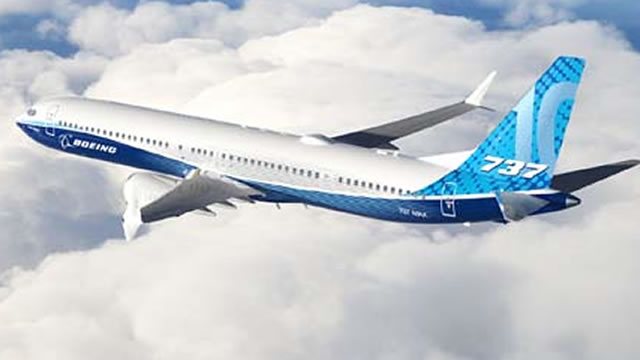
Boeing (BA) Expected to Beat Earnings Estimates: Can the Stock Move Higher?
Boeing (BA) possesses the right combination of the two key ingredients for a likely earnings beat in its upcoming report. Get prepared with the key expectations.
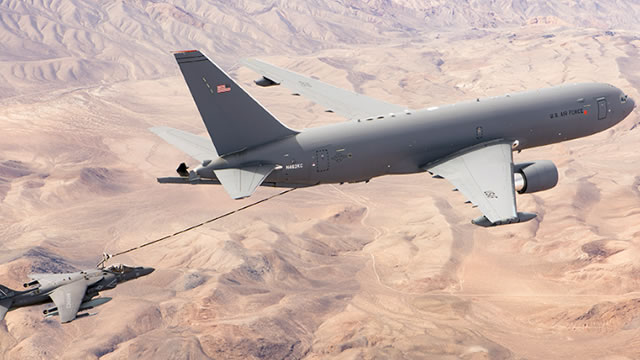
3 reasons why Boeing's stock will be fine even with China halting airplane orders
Boeing Co. has found itself at the center of the raging trade war between the U.S. and China, with the latter reportedly instructing its airlines to halt deliveries of the U.S.-made jets.
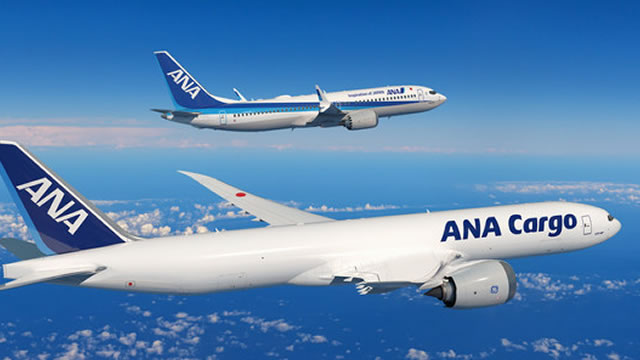
Boeing Gets Gut-Punched With Latest Move From China
The ongoing trade war and China's decision to halt Boeing deliveries exacerbate the company's existing operational challenges, justifying a bearish 'sell' rating. Boeing's market share is threatened by Airbus, with significant job losses and economic repercussions if Boeing's issues persist. Despite some new orders from other Asian countries, the uncertainty with China poses a substantial risk to Boeing's future growth.
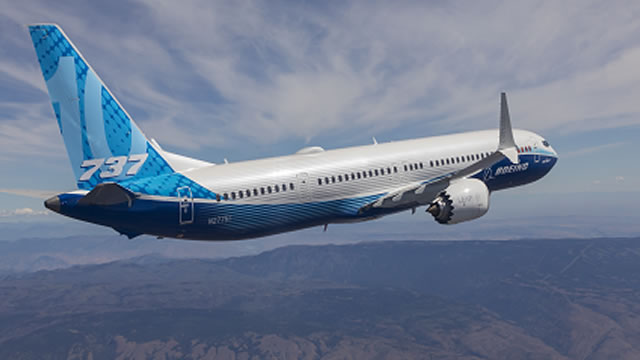
Boeing is in the crosshairs of the US-China trade war
Boeing shares fell 2.4% on Tuesday as China reportedly halted orders amid ongoing tariff tensions. China Southern Airlines stopped its plan to replace 10 Boeing 787-8 because of trade restrictions.
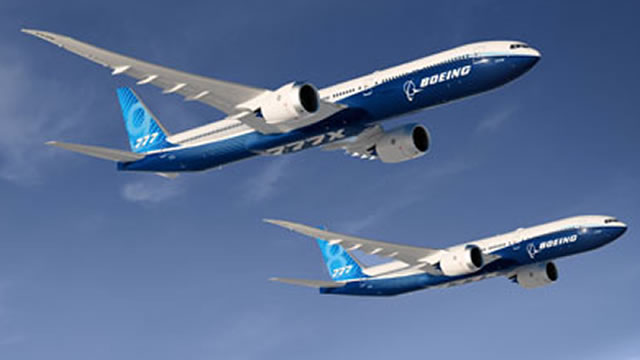
If Boeing Drops the Ball on the F-47, This Giant Defense Stock Should Take the Contract
It's been less than a month now since Boeing's (BA -2.31%) big news: On March 31, President Donald Trump announced that Boeing has won a $20 billion contract (that's the expected minimum value) to build the U.S. Air Force's first-ever sixth-generation stealth fighter to be known as the F-47.
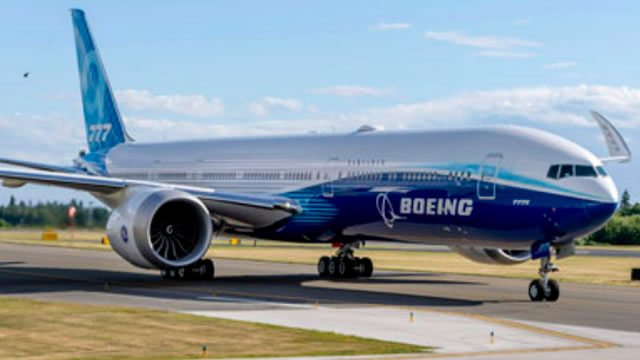
Boeing Hit From All Sides in Trump's Trade War
China tells domestic airlines not to place new orders for Boeing jets, adding new pressure to the struggling American plane maker.
China halts Boeing orders in latest escalation of trade war with U.S.
China has ordered its airlines not to take any further deliveries of Boeing jets in response to the U.S. decision to impose 145% tariffs on Chinese goods, Bloomberg News reported on Tuesday, citing people familiar with the matter.
China halts Boeing jet deliveries, raising geopolitical stakes — BofA
Boeing Co (NYSE:BA, ETR:BCO) may face short-term turbulence after China reportedly halted deliveries of its jets and directed airlines to stop purchasing US aircraft parts, but Bank of America analysts believe the impact on the American planemaker will be limited. According to Bloomberg, Chinese regulators have paused all Boeing aircraft deliveries and asked domestic carriers to cease buying aircraft-related equipment and parts from US firms.



