



United States Brent Oil Fund, LP (BNO)
 ARCA ARCA Primary
Oil Rises as Geopolitical Frictions Raise Supply Risk
Oil rose in Asia morning trade as markets stayed focused on geopolitical tensions.
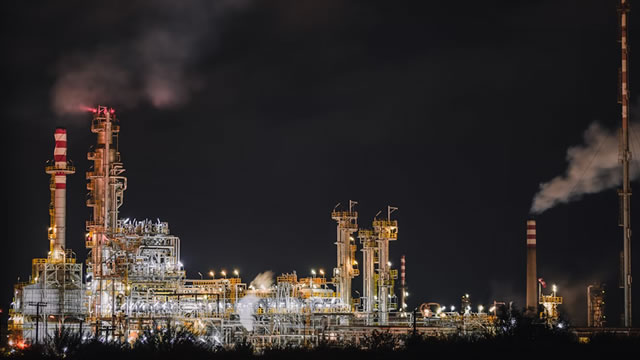
Oil prices firm after Ukrainian strikes on Russian oil infrastructure, stalled peace talks
Oil prices moved slightly higher on Thursday after Ukrainian attacks on Russia's oil infrastructure signalled potential supply constraints, and stalled peace talks tempered expectations of a deal restoring Russian oil flows to global markets, though weak fundamentals kept gains limited.

Why oil producers are adding to the global supply glut despite low crude prices
The major oil producers known as OPEC+ unwound previous output cuts faster than expected this year — increasing quotas at a time when global oil prices have dropped around 16% year to date.

He was Russia's richest man and spent ten years in the gulag. Mikhail Khodorkovsky on Ukraine, Putin and failed talks to merge with a U.S. oil giant
In an exclusive interview, Mikhail Khodorkovsky says Vladimir Putin has abandoned his previous pragmatism — and reveals the U.S. oil company he nearly merged Yukos with.

Natural Gas and Oil Forecast: Crude Finds Support as Traders Weigh Geopolitical Strains
Crude oil steadies as traders weigh geopolitical risks and rising inventories, while natural gas holds support within a broader uptrend.

Oil Lower as Investors Focus on Russia-Ukraine Peace Talks
Oil was down in early Asian trading following a choppy session, as geopolitical tensions roiled the market, ANZ research analysts said.

Oil prices fall on weak demand as markets await Ukraine peace effort for supply signs
Oil prices fell for a second day on Wednesday as investors waited to see if peace talks in the Russia-Ukraine war could open up more supply amid wider concerns about a surplus, highlighted by rising inventories.

Natural Gas and Oil Forecast: Geopolitical Tensions Lift Prices as Uptrend Strengthens
Geopolitical tensions lift natural gas and oil as rising channels, EMA support and strong RSI readings point to further upside across energy markets.
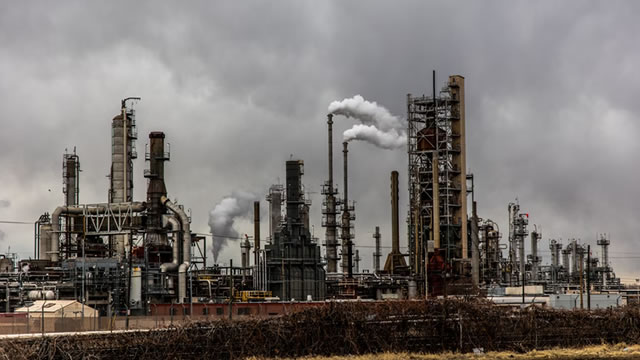
Oil rises on geopolitical risks to supply
Oil prices climbed in early trade on Tuesday for a second consecutive session as market participants assessed risks stemming from Ukrainian drone strikes on Russian energy sites and mounting U.S.-Venezuela tensions.

Oil Edges Higher Amid Supply Chain Disruption
Oil edged higher in early Asian trading amid supply chain disruption.

Founder of Oil-Trading Firm That the U.S. Called ‘Kremlin's Puppet' Quits
Torbjörn Törnqvist is selling his stake in Gunvor after renewed scrutiny of the firm's Russia ties.

Oil News: Crude Oil Futures Jump 2% as Drone Strikes and OPEC+ Fuel Supply Fears
Crude oil futures rally 2% as drone strikes on Russian infrastructure and OPEC+ holding production steady reignite supply fears after a four-month losing streak.



