



United States Brent Oil Fund, LP (BNO)
 ARCA ARCA Primary
Oil prices expected to be impacted following US bombing of Iran nuclear sites
Oil market braces for price surge after U.S. attacks on Iranian nuclear facilities. Analysts predict disruptions to Middle Eastern oil infrastructure.
Aramco CEO Amin Nasser on the Future of Oil, AI & Saudi Vision 2030 (Extended Intervierw)
Saudi Aramco CEO Amin Nasser opens up about Aramco's multi-billion dollar investments in artificial intelligence, the future of global energy, and how the world's most valuable oil company is adapting in a rapidly changing world as the Kingdom charges ahead with Saudi Vision 2030. Bloomberg's Joumanna Bercetche sits down exclusively with Nasser at the company's headquarters in Dhahran, Saudi Arabia on Wall Street Week.

Top oil analyst Paul Sankey: Actual energy impact has been on Israel, not the Gulf
Paul Sankey, Sankey Research, joins 'Fast Money' to talk the impact of rising tensions in the Middle East and the impact on the energy sector.
Week of Middle East Conflict Pushes Oil Prices Higher
Stock indexes and Treasury yields end the week little changed.
Why Hasn't Israel Attacked Iran's Oil Exports? Restraint Is a Threat.
Israel has refrained from directly targeting Iranian oil-export facilities. It's a calculated strategy, Skip York writes in a guest commentary.
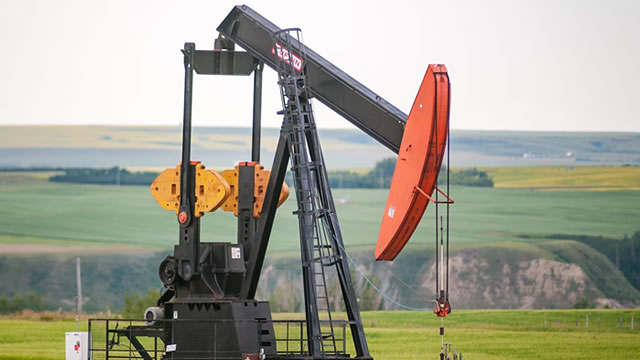
The Future of Brent Oil Remains Clouded as US Production Slows and Geopolitical Tensions Take Hold
The United States has once again found itself as a headline maker in the energy sector as the global geopolitical outlook brings industry-wide uncertainty.
Crude Oil Price Outlook – Crude Oil Continues to Watch the Middle East
The crude oil markets initially rallied again on Friday but gave back some of the gains as we continue to see this asset bounce around based on the latest headlines, and of course rumors.

Oil News: Crude Prices Mixed as Iran Risk Builds but Trump Delay Stalls Rally
Oil prices hold steady with OPEC supply risks and Iran tensions priced in, while Trump's delay in action caps crude's bullish momentum.

Oil prices falls more than 3% as Trump holds off on Iran strike, hopes for negotiations
President Donald Trump said Thursday that he would make his decision on striking Iran within the next two weeks.

What the Gulf War and past supply disruptions says about how high oil prices can go
Based on past conflicts that have rattled oil prices, oil is likely trading in the upper range of where it should be as the Israel-Iran crisis simmers, say analysts at Citigroup.
U.S. Oil Prices Gain on Inventory Slump. Israel, Iran Conflict Is Still Driving the Market.
WTI was rising and Brent crude was falling. Stock futures for Exxon, Chevron, and Occidental were rising.
Iran Races to Get Its Oil Out Into the World
Iran is rapidly exporting oil, a sign of the unusual logistical steps that Tehran is undertaking as the US mulls joining Israel in bombing the Persian Gulf state. Satellite images of the oil storage sites at Kharg Island show that the reservoirs were only partly full on June 11, but were brimming with crude on June 18.



