



United States Brent Oil Fund, LP (BNO)
 ARCA ARCA Primary
Oil prices pick up as OPEC+ holds oil quotas ahead of July production review
Market focus has shifted toward potential supply hikes from eight OPEC+ members that have been carrying out separate voluntary production cuts.
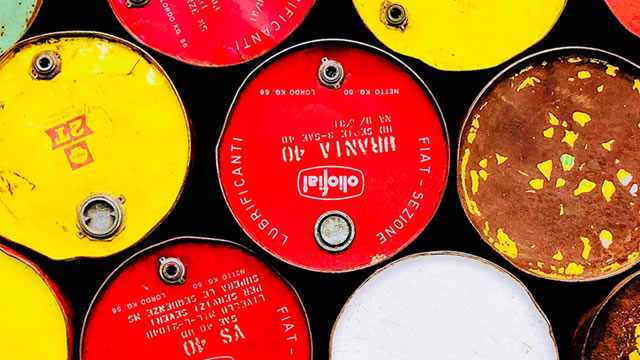
Why Big Oil Turned to Trump for Help in Africa
Chevron, ConocoPhillips and other companies are locked in a dispute with six Central African countries over fossil-fuel projects.
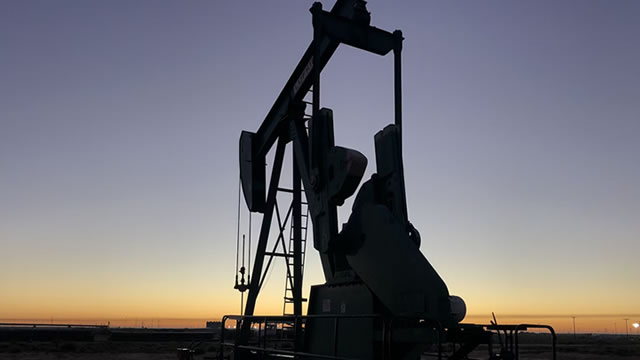
Crude Oil Price Analysis – Crude Continues to Find Buyers on Dips
The crude oil markets continue to see a lot of buyers on dips, and we have seen more of the same on Wednesday in the early hours of trading.
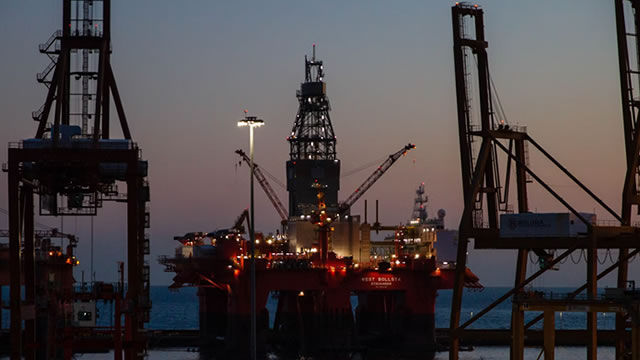
Oil News: Traders Brace for OPEC+ Call as Geopolitics Buoy Crude Futures
Crude oil holds steady as traders await OPEC+ output decision and supply risks mount from Venezuela sanctions and Canadian wildfires.

Oil prices inch up as U.S. bans Chevron from exporting Venezuelan crude
Oil prices ticked up in early trading on Wednesday as the U.S. barred Chevron from exporting crude from Venezuela under a new authorization on its assets there, raising the prospect of tighter supply.

Oil Rises Amid Prospects of New U.S. Sanctions Against Russia
Oil rose in early Asian trade amid prospects of new U.S. sanctions against Russia.

Oil edges down as potential higher OPEC+ output eyed
Oil prices eased on Tuesday as market participants weighed the possibility of an OPEC+ decision to further increase its crude oil output at a meeting later this week.
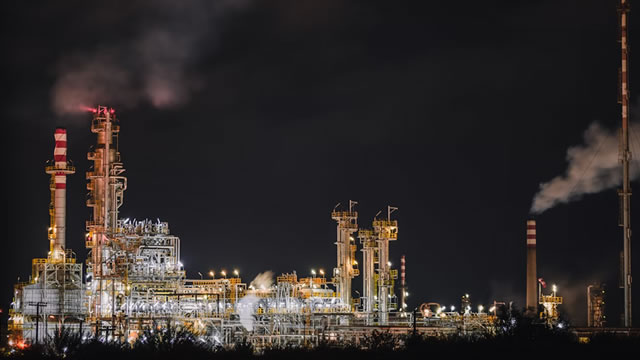
Goldman Sachs expects India to drive global oil demand over next two decades
Nikhil Bhandari, Co-head of APAC Natural Resource & Clean Energy Research at Goldman Sachs, says that India will be the fastest-growing oil demand region among large economies over the next two decades. He notes that the country is at an "inflection point", where oil demand will accelerate even faster as GDP growth moves up the value chain.

Natural Gas and Oil Forecast: Geopolitical Fears Push Oil Higher While NG Struggles Below EMA
Oil prices climb amid geopolitical tensions, while natural gas struggles below the EMA, highlighting mixed energy market trends this week.
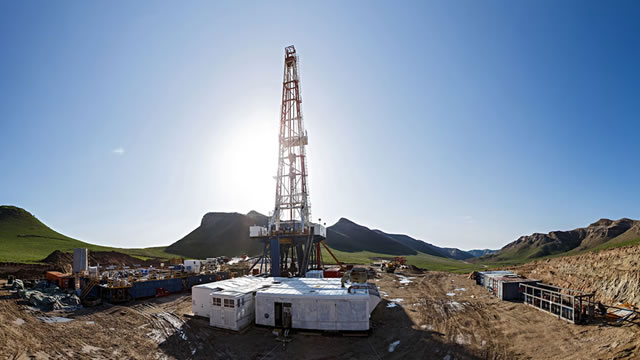
Oil climbs after Trump extends EU trade talks deadline to July
Oil prices gained in early Asian trade on Monday after U.S. President Donald Trump extended a deadline for trade talks with the European Union, easing concerns about U.S. tariffs on the bloc that could hurt the global economy and fuel demand.

Oil Rises Amid Lingering Middle East Tensions
Oil rose in the early Asian session amid lingering Middle East tensions.

Oil News: Will OPEC's July Production Hike Crush the Crude Oil Outlook?
Crude oil outlook turns bearish as OPEC+ eyes a July output hike and U.S. inventories climb, raising fresh concerns about oversupply and weak oil demand.



