










Capital One Rides on Strong Credit Card Business Despite Cost Woes
COF rides on the credit card momentum and Discover deal gains, but rising costs and asset quality issues cloud the outlook.
COF Stock Tanks 5.9% Post Discover Merger: A Good Buying Opportunity?
Shares of Capital One Financial Corporation COF have lost 5.9% since the completion of the acquisition of Discover Financial Services on May 18. The $35-billion deal reshapes the landscape of the credit card industry, creating a behemoth (in terms of loan volume).

Here's Why Capital One (COF) is a Strong Value Stock
Wondering how to pick strong, market-beating stocks for your investment portfolio? Look no further than the Zacks Style Scores.
Capital One Agrees to Pay $425M to Settle Savings Account Lawsuit
COF agrees to pay a fine to settle a lawsuit accusing the company of deceiving savings account depositors.
Capital One Acquires Discover, Reshapes U.S. Credit Card Industry
COF buys Discover, creating a behemoth in the credit card industry. The acquisition boosts its competitive edge and expands its share of consumer card spending.

Capital One's stock looks like a bargain following Discover acquisition
Capital One will be even more focused on credit-card lending now that it has completed the Discover deal.

Capital One Finalizes $35 Billion Discover Purchase
Fifteen months after it was announced, Capital One's $35 billion acquisition of Discover is official. The deal, finalized Sunday (May 18), creates the largest credit card issuer in terms of loan volume in the U.S.
Capital One Reportedly Settling Savings Account Suit for $425 Million
Capital One will reportedly pay $425 million to settle a lawsuit accusing it of cheating savings account depositors. That's according to a report by Reuters on Friday (May 16), citing court documents.
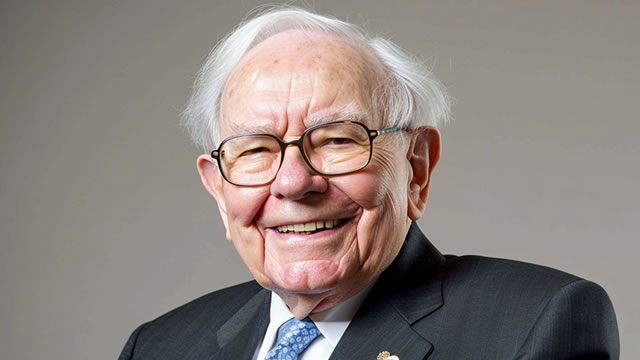
Warren Buffett's Berkshire Hathaway Sheds Citi Stake, Trims Other Big Bank Holdings
Warren Buffett's Berkshire Hathaway (BRK.A, BRK.B) sold its shares of Citigroup (C) during the first quarter, while trimming its stakes in Bank of America (BAC) and Capital One (COF).
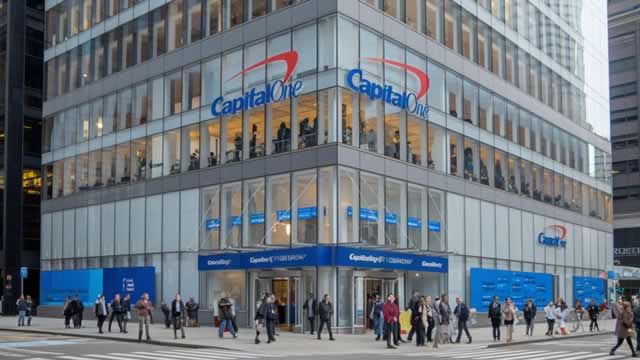
Jim Cramer Is a Big Fan of This Cheap Warren Buffett Stock — Time To Buy?
There are plenty of bargains to be had amid intense stock market volatility. And while the best deals have mostly evaporated, there are still intriguing, cheap names with timely catalysts that still look to be worth buying on the way up.

New York Sues Capital One, Pursuing Similar Case CFPB Dropped
New York Attorney General Letitia James sued Capital One Wednesday (May 14), alleging the bank misled its customers about the existence of a savings account that provided higher interest.

New York AG sues Capital One after Trump-led CFPB drops similar case
New York Attorney General Letitia James sued Capital One on Wednesday, accusing the bank of "cheating" customers out of millions of dollars in interest payments. The suit mimics litigation by the CFPB, which was dropped in February under the Trump administration.



