







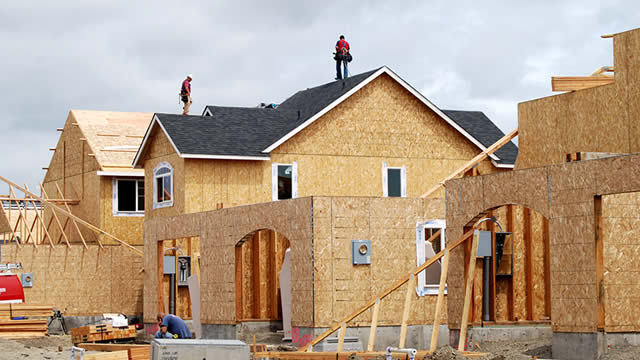
Pending Home Sales Sink in July: How to Play the Housing Stocks?
July pending home sales sink. TOL, DHI, PHM and MTH are the stocks to watch.

D.R. Horton Hits 52-Week High: Can Rate-Cut Buzz Lift the Stock?
D.R. Horton, Inc. DHI shares crafted a new 52-week high of $193.63 on Aug. 6, 2024. The stock pulled back to end the trading session at $189.06.

Market Navigator: Playing options for D.R. Horton
Jessica Inskip, Stockbroker.com director of investor research, joins 'Power Lunch' to discuss options for D.R. Horton.

How the 2024 election could impact homebuilder stocks
A housing shortage has supercharged the financial performance of large single-family homebuilders in the U.S. as the industry consolidates.

Looking for Stocks with Positive Earnings Momentum? Check Out These 2 Construction Names
The Zacks Earnings ESP is a great way to find potential earnings surprises. Why investors should take advantage now.
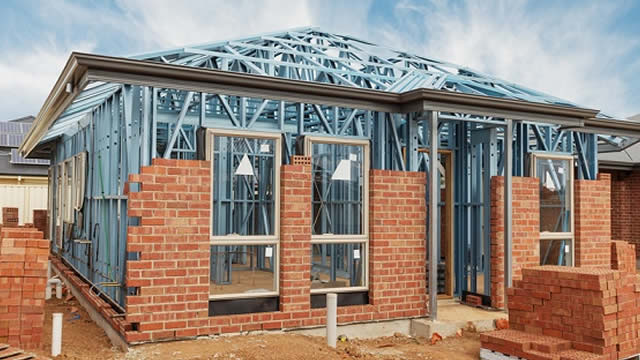
Prediction: These Could Be the Best-Performing Value Stocks Through 2030
D.R. Horton should have both near-term and long-term catalysts. Energy Transfer's distribution gives it a big advantage in generating attractive total returns.
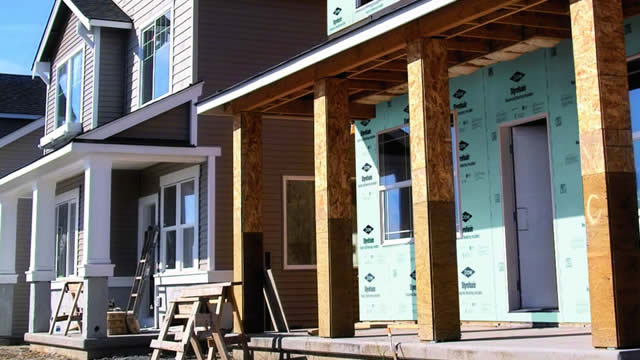
D.R. Horton: Surprise, Homebuilders Are Growth Companies And Horton Is Number One
Homebuilders, including D.R. Horton, have been some of the best-performing stocks despite being perceived as uninvestable. D.R. Horton's unique business model and scale advantage have positioned it for long-term growth and market share gains. With a target of 10% unit count growth, D.R. Horton is expected to continue growing at a double-digit pace, making it a 'Buy' with a price target of $196 a share.
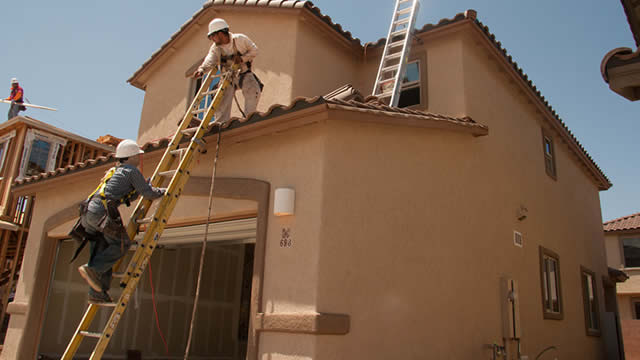
Don't Delay! 3 Stocks to Buy Before the Next Fed Decision
With the next Federal Reserve decision looming, identifying stocks to buy before the next Fed decision is vital to optimizing portfolios. Learning a company's fundamentals is also vital as it reveals its financial health, strategic initiatives, and market positioning.
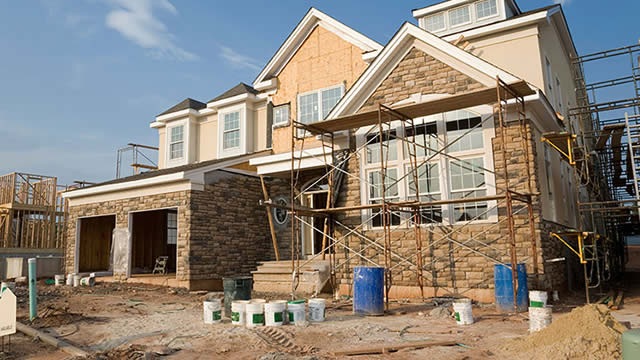
D.R. Horton's Growing Profits Bring in Big Money
Homebuilder D.R. Horton, Inc. (DHI) stands out among its industry peers.
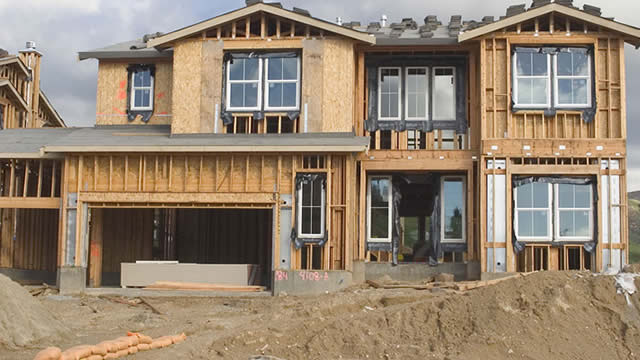
Markets Face Key Test Ahead of Fed Decision: Stocks to Watch
Tech is taking a backseat lately, pulling the major averages lower while other pockets of the market flourish amid a stronger-than-expected economic backdrop.

How Will DR Horton & Its Peers Handle A Weakening Housing Market?
Our theme of Housing Stocks, which includes the stocks of home improvement players, building supply companies, and home builders including DR Horton and Pulte Group has gained about 16% year-to-date. This compares to the S&P 500, which has gained almost 15% over the same period.
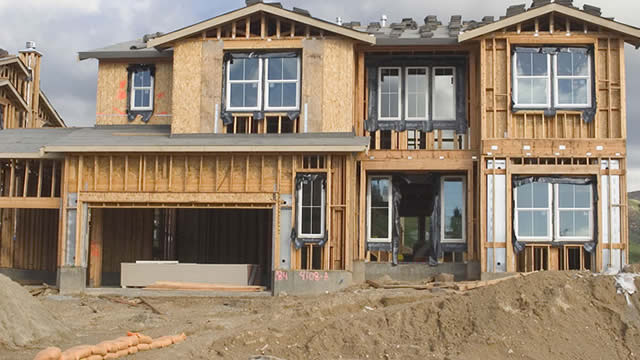
3 Homebuilding Stocks Taking Off in July
Homebuilding stocks -- hypersensitive to rates and the U.S. economy -- are on the rise as investors rotate away from growth stocks into cyclicals due to increased prospects of an interest rate cut in September.



