



Ford Motor Company (F)









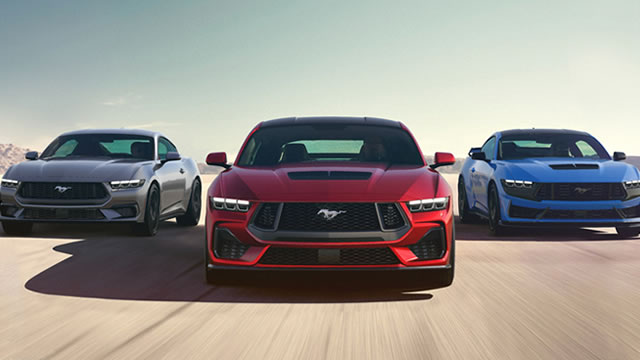
Ford Stock Dips Eyes 3-Year Lows After Analyst Downgrade
Ford Motor Co (NYSE:F) is under pressure this morning, last seen down 2.7% to trade at $8.46 ahead of the open, as automaker stocks broadly retreat following the implementation of new U.S. tariffs targeting dozens of countries.

Kia joins Ford, VW and GM by cutting EV targets amid industry-wide slowdown and trade headwinds
Kia Motors Corp. (OTC:KIMTF) has cut its 2030 electric vehicle (EV) sales target by more than 20%, becoming the latest carmaker to lower expectations amid faltering global demand and growing trade uncertainty. The South Korean carmaker now expects to sell 1.26 million battery-electric vehicles by the end of the decade, down from the 1.6 million target announced last year.
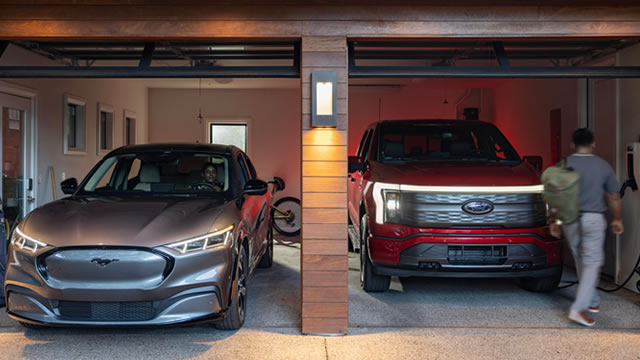
Ford (NYSE: F) Stock Back Below $10 Today. Should You Buy?
Ford Motor (NYSE:F) shares fell below $10.
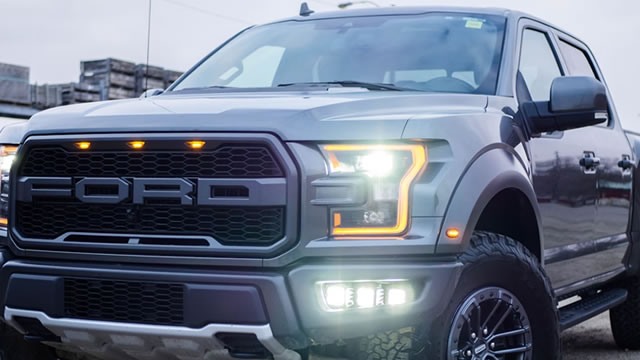
Ford Motor Company (F) Is a Trending Stock: Facts to Know Before Betting on It
Ford Motor (F) has been one of the stocks most watched by Zacks.com users lately. So, it is worth exploring what lies ahead for the stock.
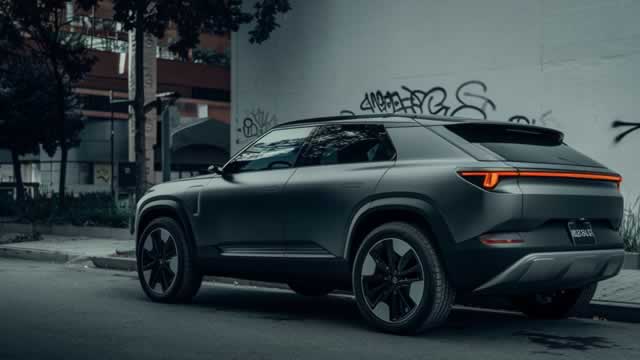
Ford Vs. BYD: This Chart Shows Why I Downgrade Ford
This article breaks down the impacts of the new (i.e., higher) tariff to better see the granularity. My key observation is that BYD enjoys a far better auto-manufacturing ecosystem in China. This has allowed it to maintain higher and more stable profit margins compared to Ford in the past.

Baytex Energy: Tariff-Free Production
Baytex Energy benefits from low production costs in the Eagle Ford. The company is focused on further reducing costs. For this Canadian company, the Eagle Ford production is not the subject of current tariff disputes.
Ford Becomes a Very Safe Investment
The market is down over 10% in the past five days, and Ford Motor Co. (NYSE: F) stock is down 4%.
Should You Buy Ford While It's Below $10?
President Trump's recent tariff announcement is kneecapping stocks far and wide. Some of the biggest losers have been automotive companies, who face some of the steepest tariffs.
Can Ford produce a car fully made in the US?
Ford Blue and Model e President Andrew Frick on whether the auto manufacturer can produce a car fully made in the U.S., the impact of tariffs on the industry and the company offering employee discounts to American consumers.

3 Dividend Stocks Turning Green Before The Market Opens Tomorrow (MO, F, UL)
If tomorrow is another Black Monday, it could mean an 8,000 point wipe out for the Dow.

The Peril of Trump's Tariffs for America's Auto Titans
The administration's new levies will be a massive blow to the bottom line of Ford and GM and force job cuts across the industry.

Confused About Auto Tariffs? Here Is What to Know
President Trump's tariffs are hitting the auto industry in multiple ways, creating havoc for both car companies and buyers trying to assess the impact.



