



Halliburton Co. (HAL)










Earnings Preview: Halliburton (HAL) Q4 Earnings Expected to Decline
Halliburton (HAL) doesn't possess the right combination of the two key ingredients for a likely earnings beat in its upcoming report. Get prepared with the key expectations.

Halliburton (HAL) Ascends While Market Falls: Some Facts to Note
Halliburton (HAL) closed at $27.75 in the latest trading session, marking a +0.33% move from the prior day.
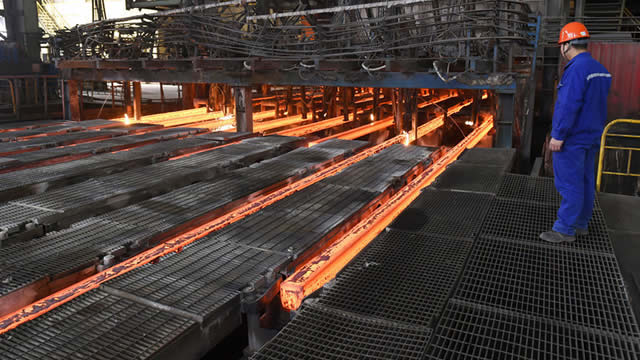
Halliburton & Coterra Introduce Next-Gen Automated Fracturing Solution
HAL partners with Coterra Energy to introduce the Octiv Auto Frac service, automating hydraulic fracturing for enhanced efficiency and control across operations.

Halliburton to Acquire Offshore Technology Provider Optime Subsea
HAL acquires Optime Subsea to integrate its umbilical-less technology and provide it with global market access.

Halliburton (HAL) Ascends But Remains Behind Market: Some Facts to Note
In the most recent trading session, Halliburton (HAL) closed at $29.20, indicating a +0.45% shift from the previous trading day.
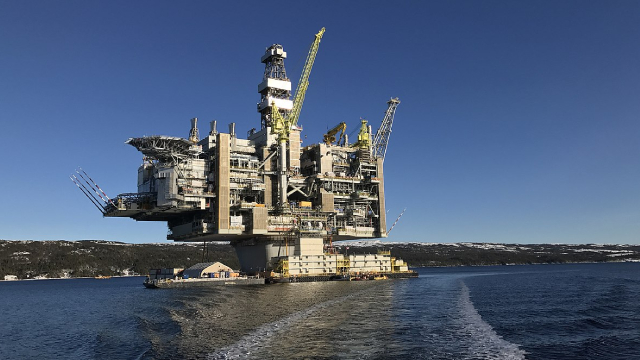
Think Twice About Buying the 20% YTD Dip in Halliburton Stock
HAL's significant exposure to the North American market - where approximately 40% of its revenues are generated - poses a key risk.

Halliburton (HAL) Registers a Bigger Fall Than the Market: Important Facts to Note
In the closing of the recent trading day, Halliburton (HAL) stood at $30.02, denoting a -1.9% change from the preceding trading day.
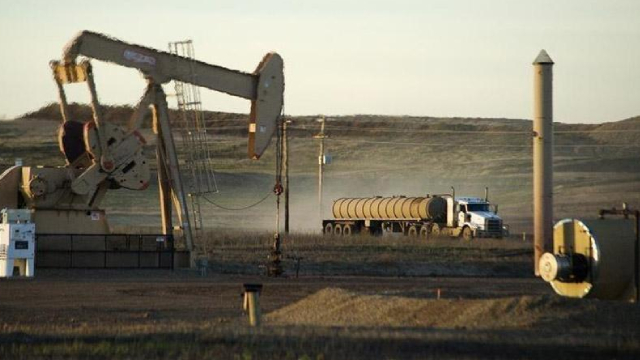
Halliburton Launches Intelli Suite to Enhance Well Performance
HAL launches the Intelli suite to enhance well diagnostics, offering innovative solutions for increased production and reduced costs in oil and gas operations.
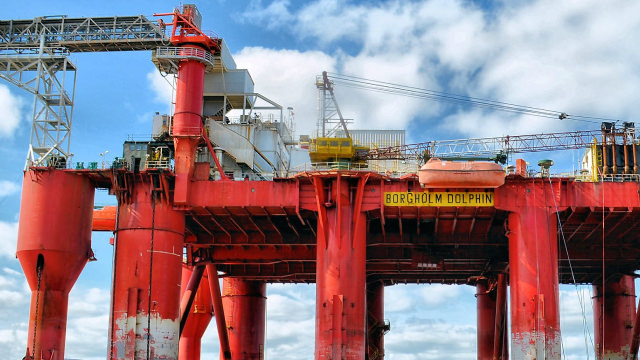
Halliburton Announces Expansion in Namibia by Opening New Facilities
Namibia's growing oil and gas industry convinced HAL to open new facilities to provide better oil field services.
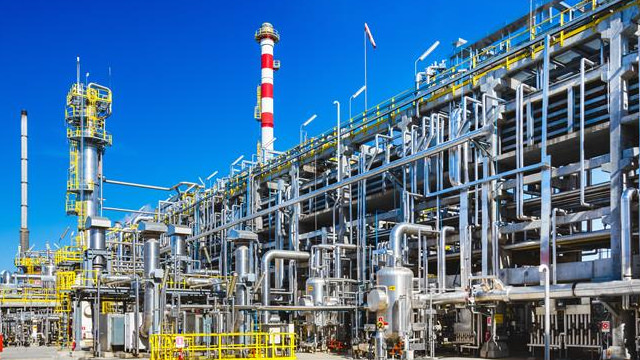
Halliburton Stock Has 10% Upside Potential Despite Volatile Energy Market
After a 15% decline since the beginning of the year, at the current price of around $30 per share, we believe Halliburton stock (NYSE: HAL), an energy company organized into the exploration, development, and production of oil and natural gas - has upside potential in the longer run with limited growth prospects in the near term. HAL's peer SLB stock (NYSE: SLB) is down 14% this year to $44.

Halliburton Q3 Earnings Miss on Weak North American Activity
HAL generated $841 million of cash flow from operations in the third quarter, leading to a free cash flow of $543 million.

Gold Gains 1%; Halliburton Posts Weak Q3 Results
U.S. stocks traded mostly higher midway through trading, with the Nasdaq Composite gaining more than 1% on Thursday.



